

| Welcome to An Eclectic Journal of Curious Wonders I’ve always been curious. Not necessarily about any one particular thing, either. Wildlife, gardens, history, science, people, places, memories, films, forgotten things, peculiar things and occasionally things that probably shouldn’t happen at all have a habit of catching my attention. Sometimes it begins with something I notice while working. A plant flowering when it seemingly shouldn’t, an unfamiliar insect, a change in the weather, an old garden feature or something half-hidden beneath years of growth. At other times it might begin with a childhood memory, a photograph, a film I haven’t seen for forty years, something I once collected, somewhere I once lived, or simply a question that arrives from nowhere. And then there are the “what if?” questions. What if the world stopped working quite as we expected? What if something dismissed as myth turned out not to be? What if we looked again at something so familiar that we had stopped noticing it? And what happens when an apparently ordinary subject is followed just a little further than usual? That is what this Journal has gradually become. I am a working gardener, and gardening remains firmly among its roots. Plants, gardens, wildlife, insects, soil and the changing seasons are part of my everyday life, so naturally they appear frequently within these pages. But they now sit alongside history, memory, the natural world, curious discoveries, disappearing places, films, gaming, poetry, speculative ideas, strange stories and occasional journeys into considerably darker territory. There is no requirement for one subject to fit neatly beside the next. That is rather the point. This is An Eclectic Journal of Curious Wonders: a collection of things observed, remembered, questioned, investigated and occasionally imagined. Some articles are practical, some personal. Some look backwards, others look at the world around us now, and a few wander into worlds that never existed in the first place. The garden gate is still here. I simply stopped believing there was any particular reason to remain on one side of it. So, welcome to the Journal. Have a wander. You never quite know what we might find. |
Latest from the Journal …
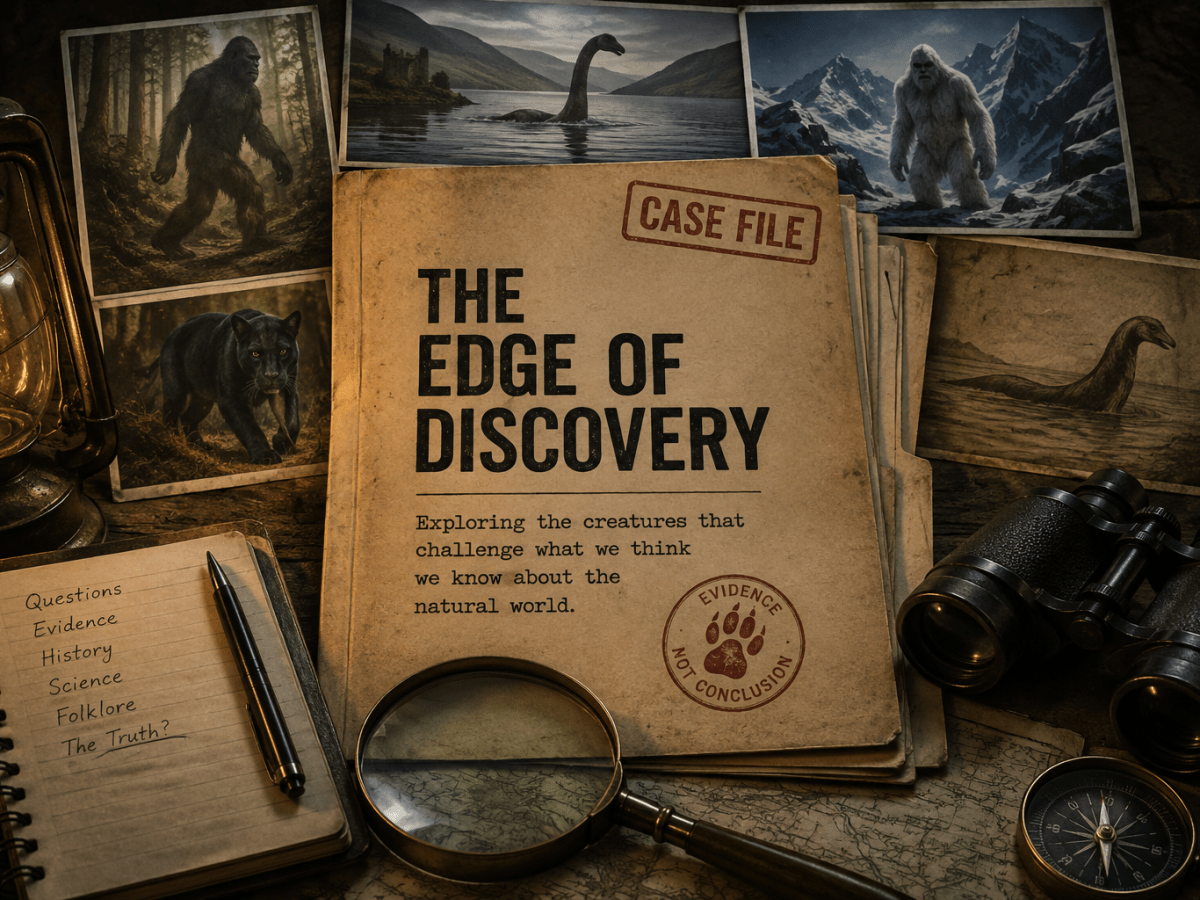
The Edge of Discovery
Explore the Orang Pendek mystery of Sumatra, from rainforest sightings and mysterious footprints to scientific searches for an undiscovered primate.
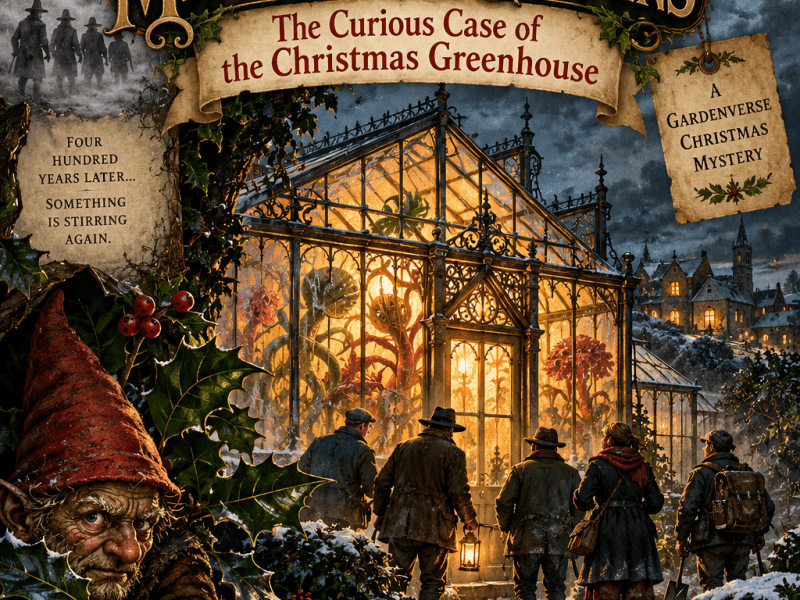
The Ministry of Misbehaving Gardens
Discover The Ministry of Misbehaving Gardens, a new Gardenverse mystery blending Gothic fantasy, folklore, steampunk and British gardening humour.

The Ground Beneath the Garden
Can ground-cover plants really replace weeding? Explore how living mulch suppresses weeds, protects soil and changes the way garden borders are maintained.
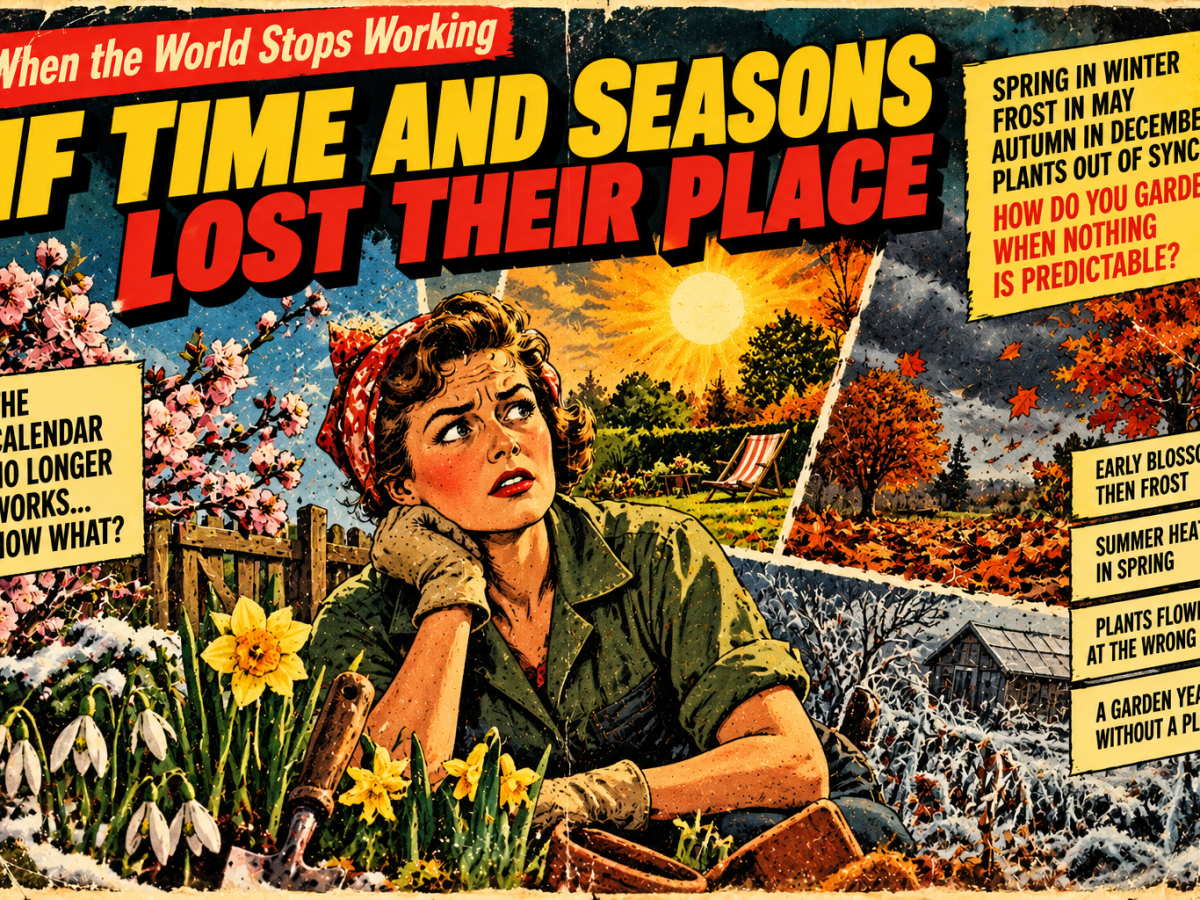
If Time and Seasons Lost Their Place
What if the seasons stopped arriving when gardeners expected them? A speculative look at changing seasonal rhythms, unpredictable weather and how gardens might adapt when the calendar stops being reliable.

The World’s 50 Most Remarkable Tarantulas
Discover three giant South American tarantulas, exploring their impressive size, unusual biology, habitats, defensive adaptations and natural history.
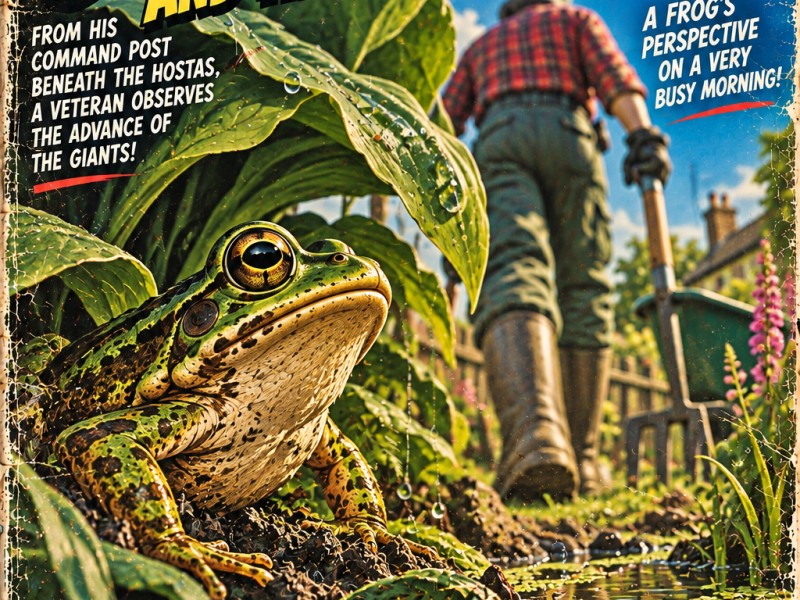
The Other Side of the Flowerbed
Colonel Croak the Frog prepares for war when the gardener approaches his hosta headquarters. A humorous wildlife tale of military mishaps and garden life.

The Films of My Lifetime
The Films of My Lifetime explores 1973–1976, from childhood reading and collecting to horror classics, disaster films and the unforgettable first viewing of Jaws.
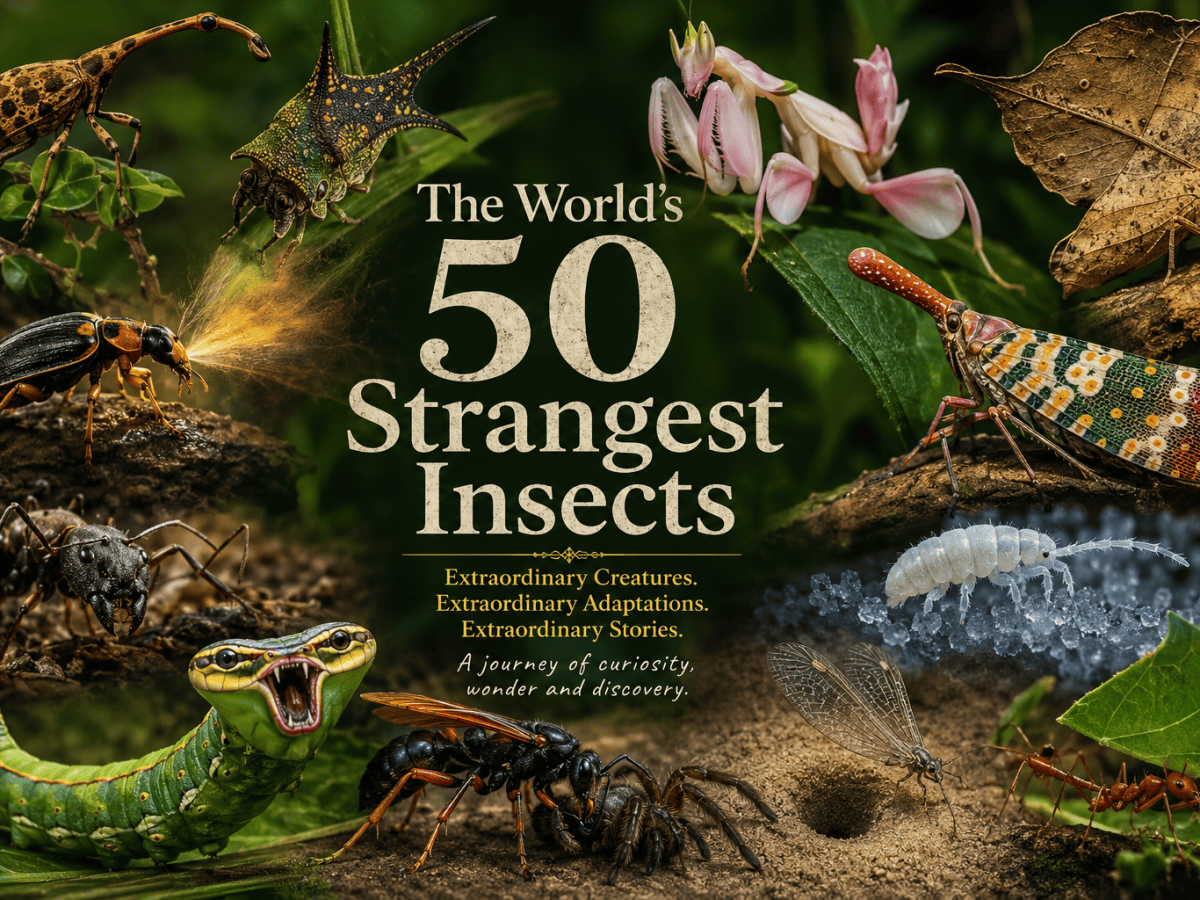
The World’s 50 Strangest Insects
Discover five extraordinary insect defences, from bombardier beetles and exploding ants to corpse-carrying assassin bugs and golden tortoise beetles.
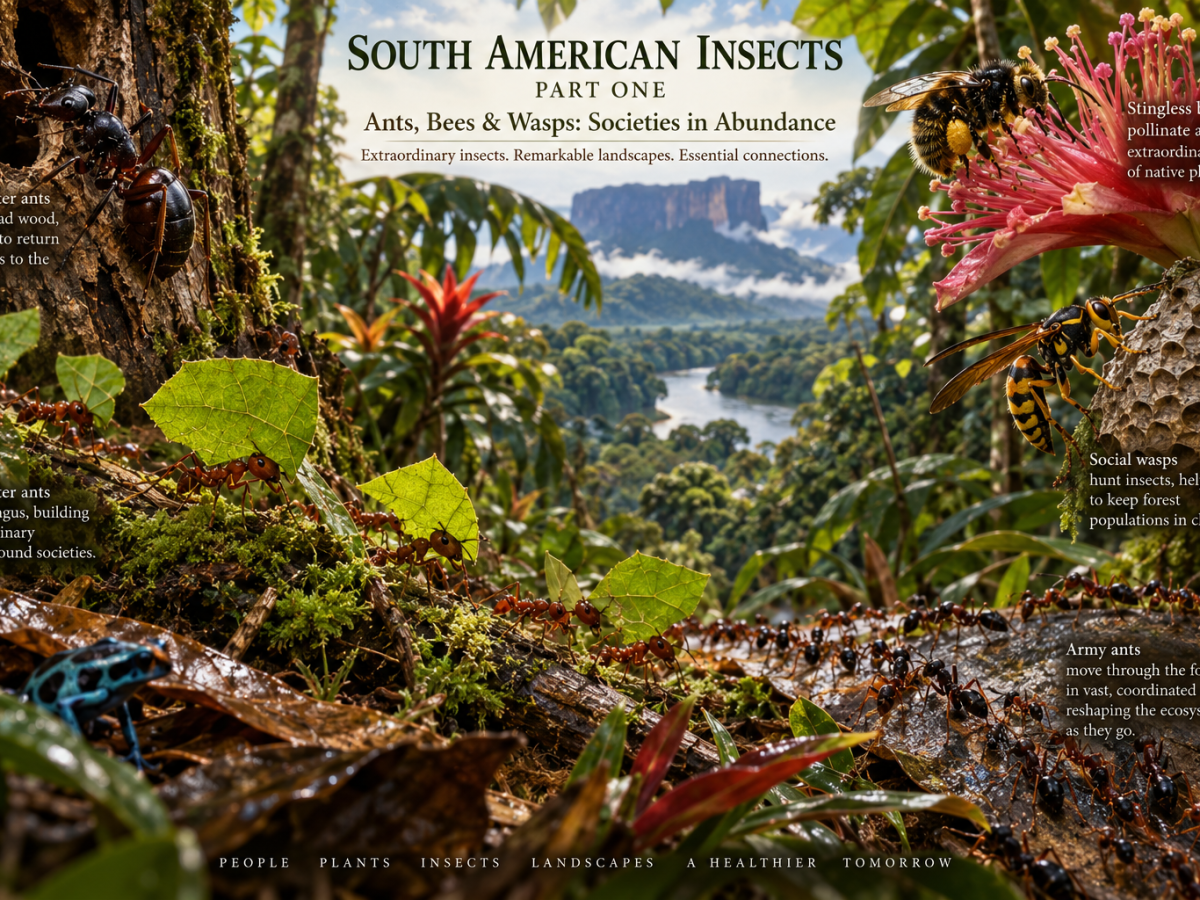
South American Insects
Explore South America’s leafcutter and army ants, stingless bees, honeybees and social wasps, and the extraordinary societies they build within tropical ecosystems.
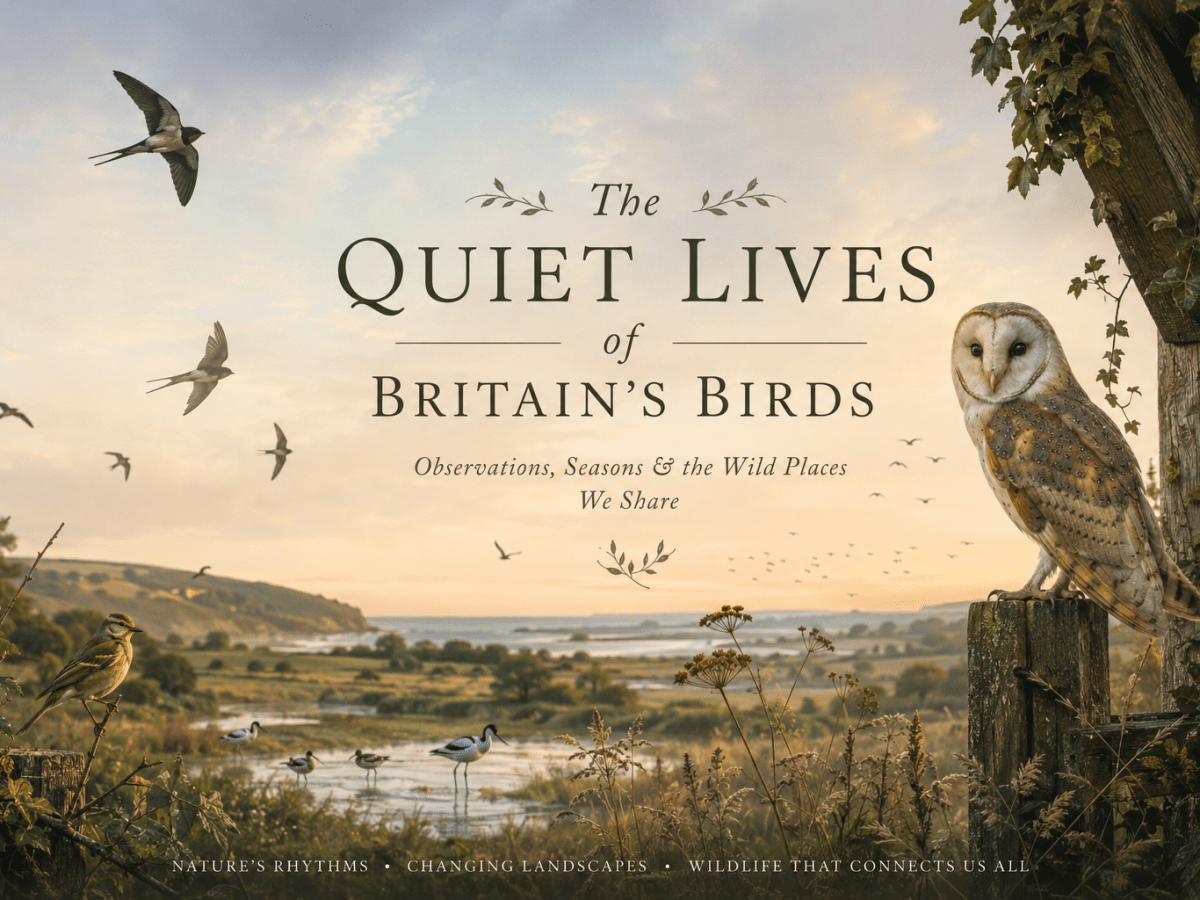
The Quiet Lives of Britain’s Birds
Discover the extraordinary life of Britain’s declining European Turtle Dove, from its gentle summer song and African migration to the changing farmland habitats it needs to survive.
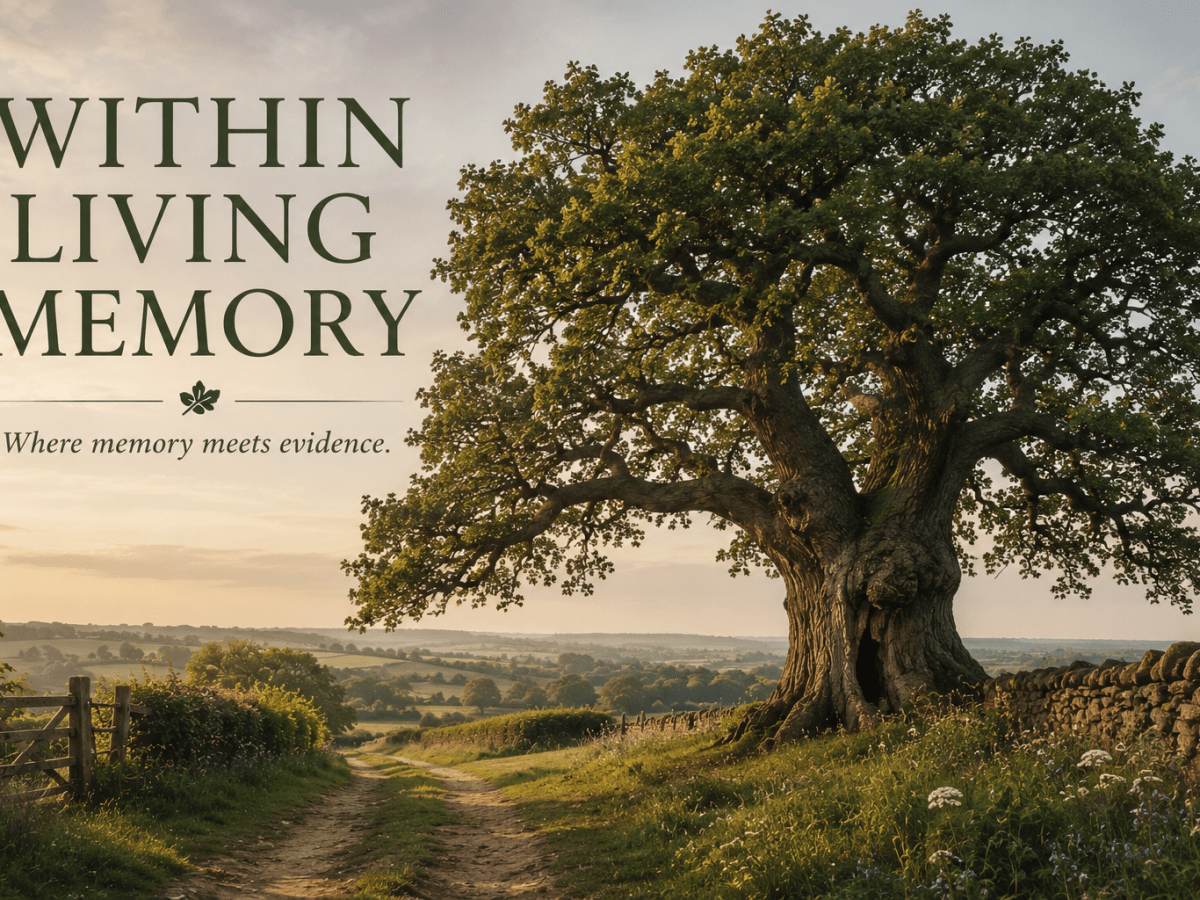
Within Living Memory
A lifetime of watching wildlife raises a troubling question: when did Britain’s ordinary insects, birds and small mammals become less ordinary, and why did we barely notice?
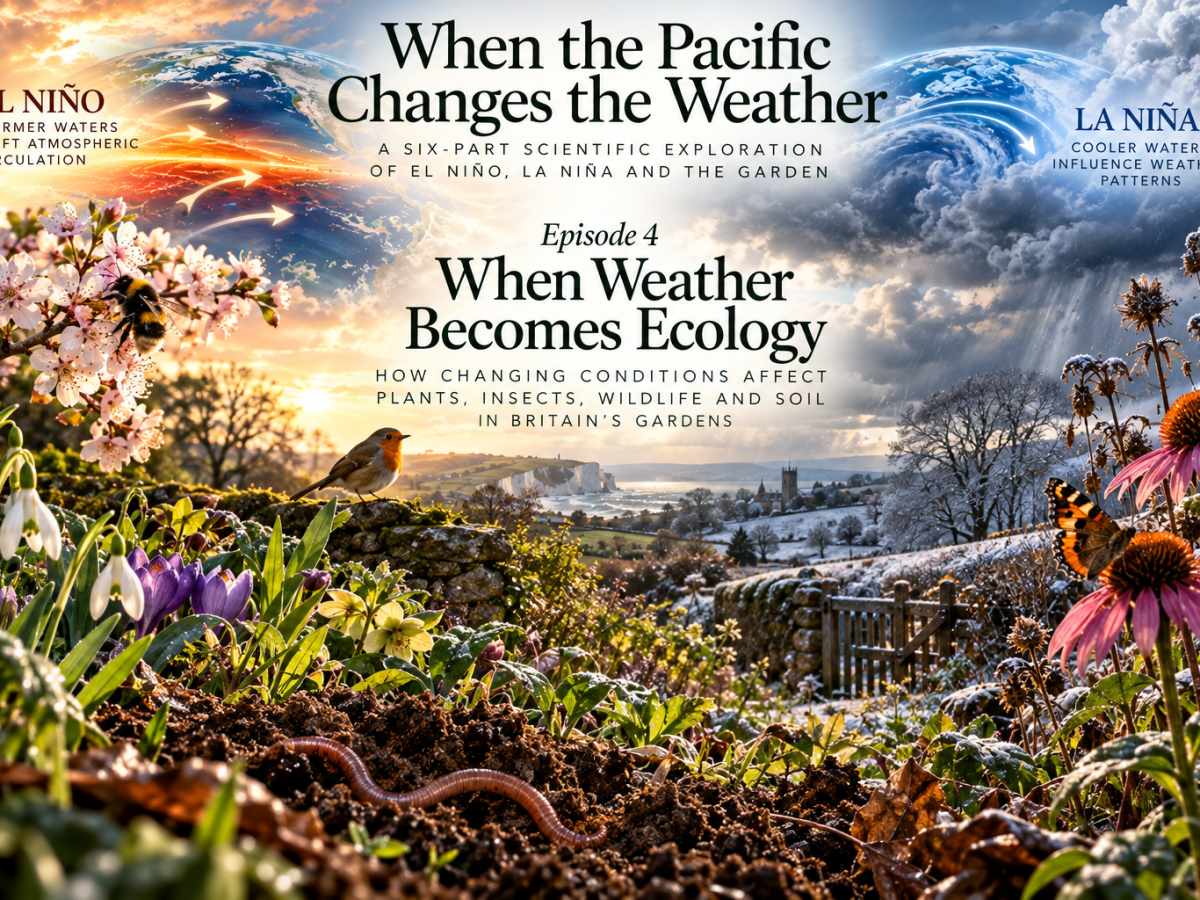
When the Pacific Changes the Weather
Discover how changing weather affects Britain’s wildlife, flowering seasons, insects and soil ecology, and why nature’s response to El Niño is never straightforward.
The Films of My Lifetime
The Films of My Lifetime explores 1968–1972, from favourite actors and memorable dialogue to disaster movies, remakes and a lifetime of collecting cinema.
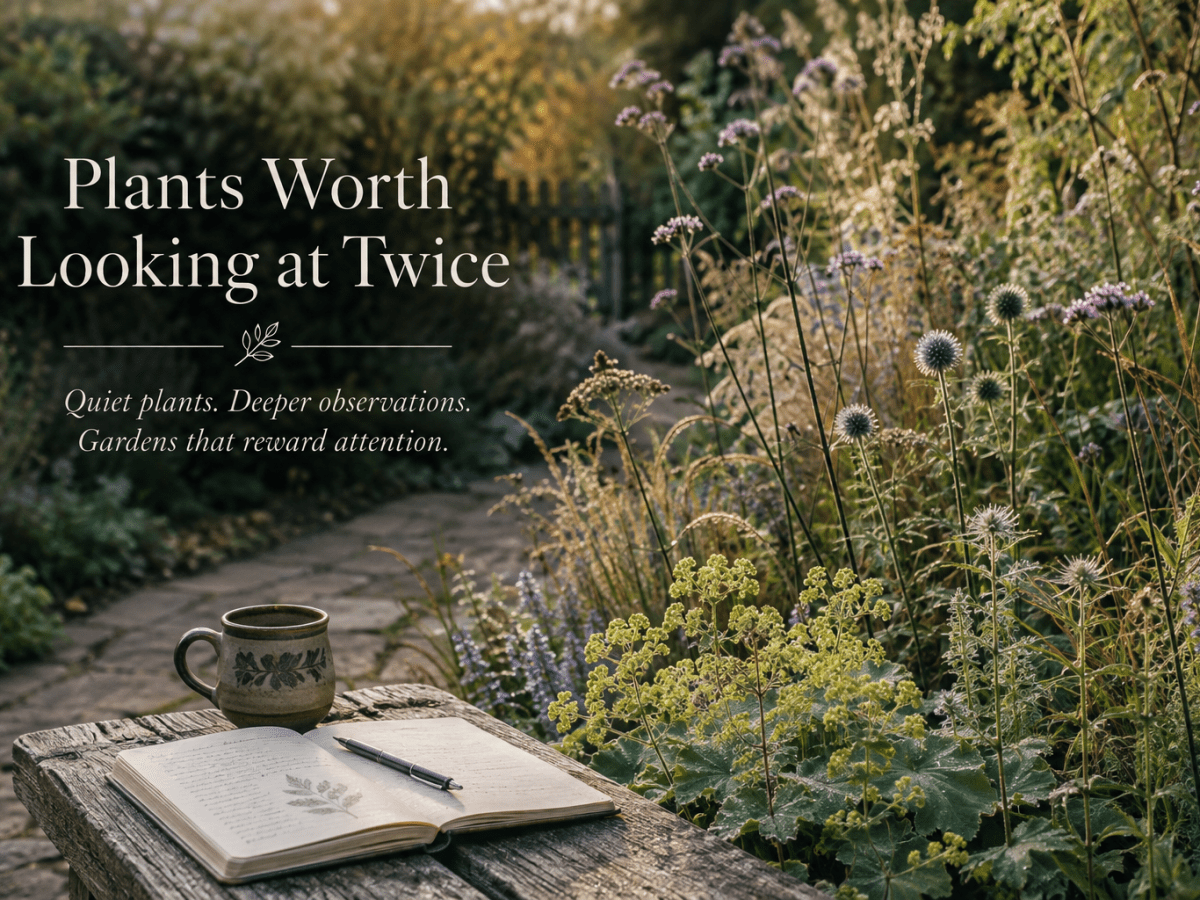
Plants Worth Looking at Twice
Discover the evening fragrance, wildlife value and self-seeding character of dame’s rocket, Hesperis matronalis, an overlooked cottage garden favourite.
The Edge of Discovery
Explore first hand accounts of Britain’s mysterious big cats, from a suspected puma on Dunsby Drove to unexplained sheep deaths near Market Deeping, Lincolnshire.
The Ground Beneath the Garden
Discover when beautiful ground-cover plants become garden bullies, why some spread too vigorously and how to keep planting balanced and manageable.
The Edge of Discovery
Are big cats living wild in Britain? Explore the 1976 Dangerous Wild Animals Act, Bodmin Moor, Felicity the puma, and the evidence for hidden feline populations.
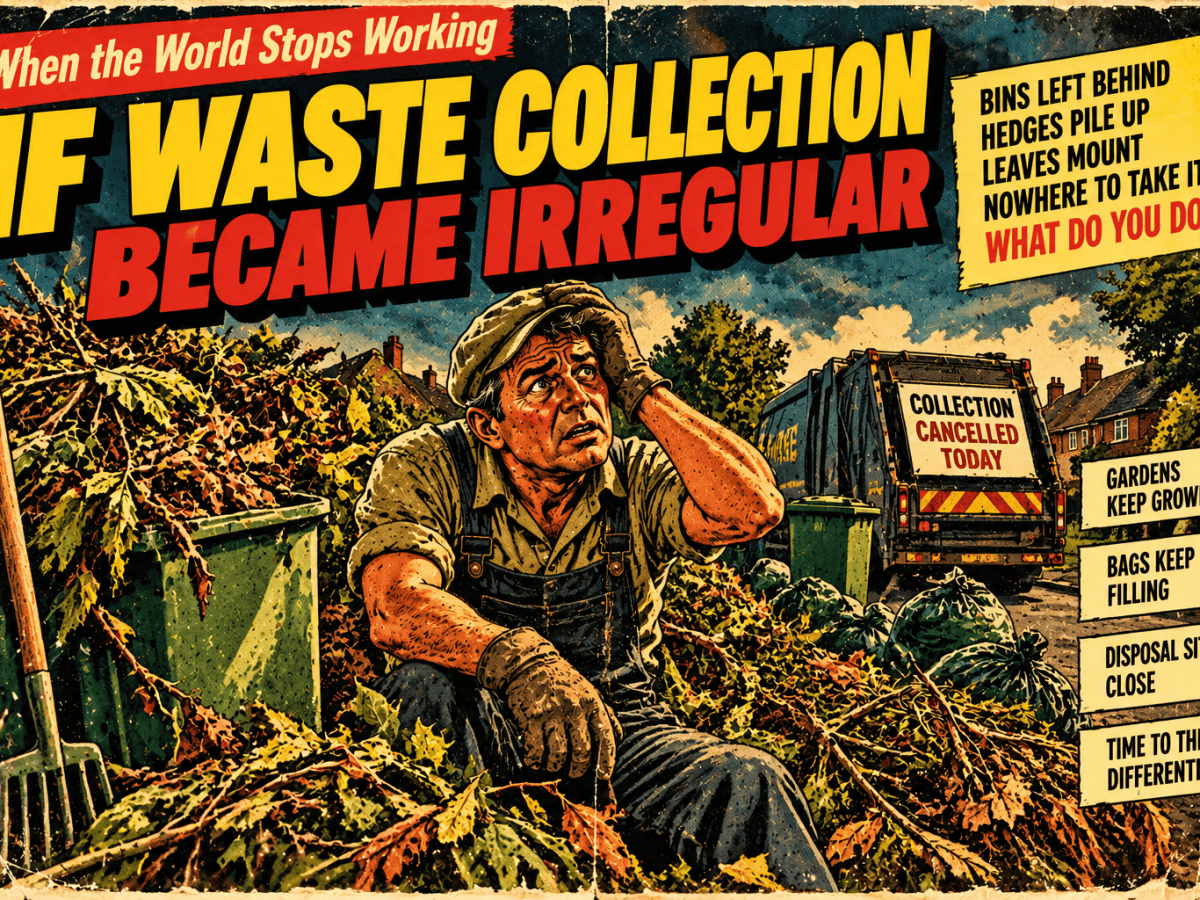
If Waste Collection Became Irregular
What if garden-waste collections became unreliable? A speculative look at how gardeners might adapt by composting, shredding, mulching and keeping more organic material within the garden.
The World’s 50 Strangest Insects
The first five of the world’s strangest insects reveal how leaf mimicry, masquerade, extraordinary anatomy and deceptive signals can turn appearance into survival.
Plants Worth Looking at Twice
Discover black mondo grass, the unusual near-black perennial whose fascinating pigments, delicate flowers and slow growth reward a closer look.
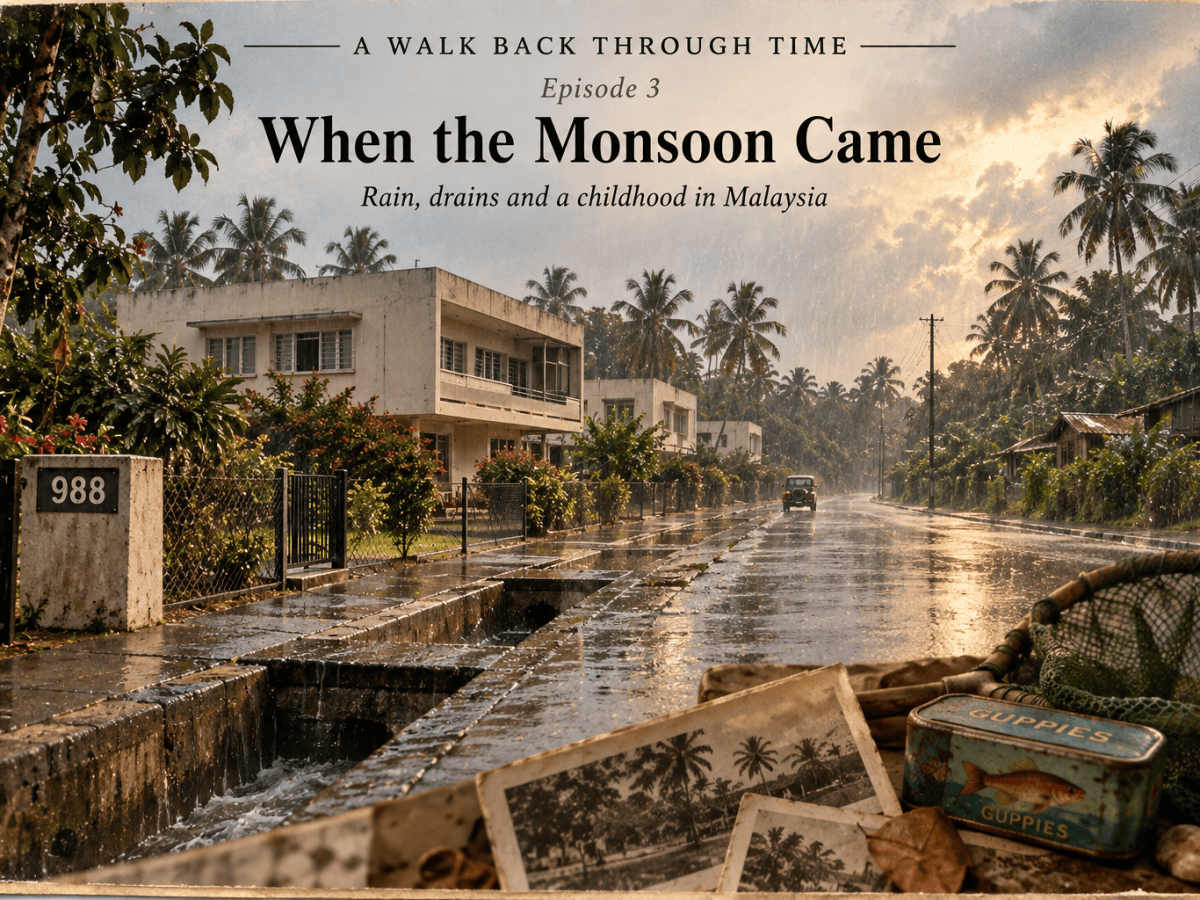
When the Monsoon Came
A childhood memory of Malaysia’s monsoon rains, monny drains, tropical wildlife and the family photographs that bring those distant years back to life.
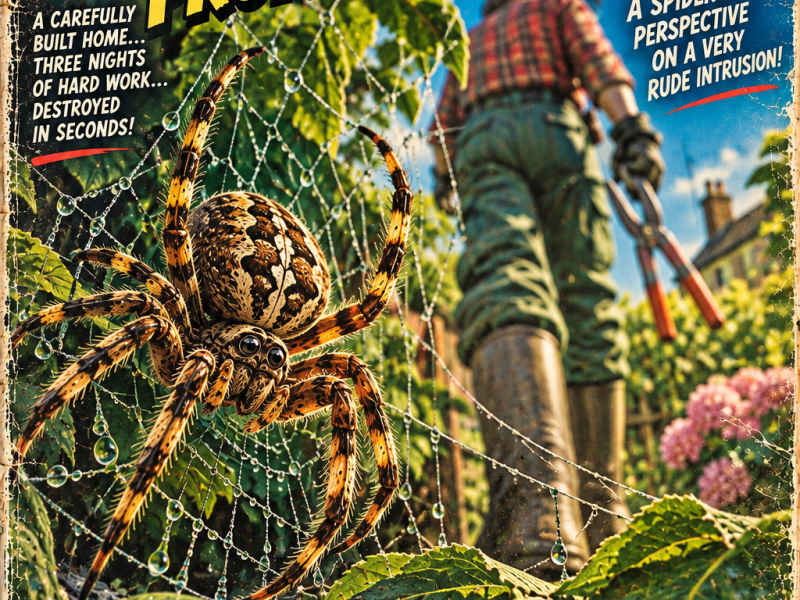
The Other Side of the Flowerbed
Charlotte the Spider faces a property disaster when the gardener destroys her web. A humorous tale of garden life, rebuilding and unexpected change.

South American Insects
Explore South America’s extraordinary insects in this five-part series, from leafcutter ants and brilliant butterflies to beetles, crickets and masters of camouflage.

If the Soil Turned Against You
What if the soil beneath our gardens became increasingly difficult to use? A speculative look at compaction, water, organic matter and why healthy soil may be the most valuable part of any garden.
Within Living Memory
A childhood in 1960s and 1970s Australia revisited through memory, family photographs and climate evidence — from suburban bushland and kangaroos to the changing Australian climate.

When the Pacific Changes the Weather
Discover how El Niño and La Niña influence Britain’s weather through atmospheric circulation, the jet stream and North Atlantic patterns, and why their effects remain uncertain.
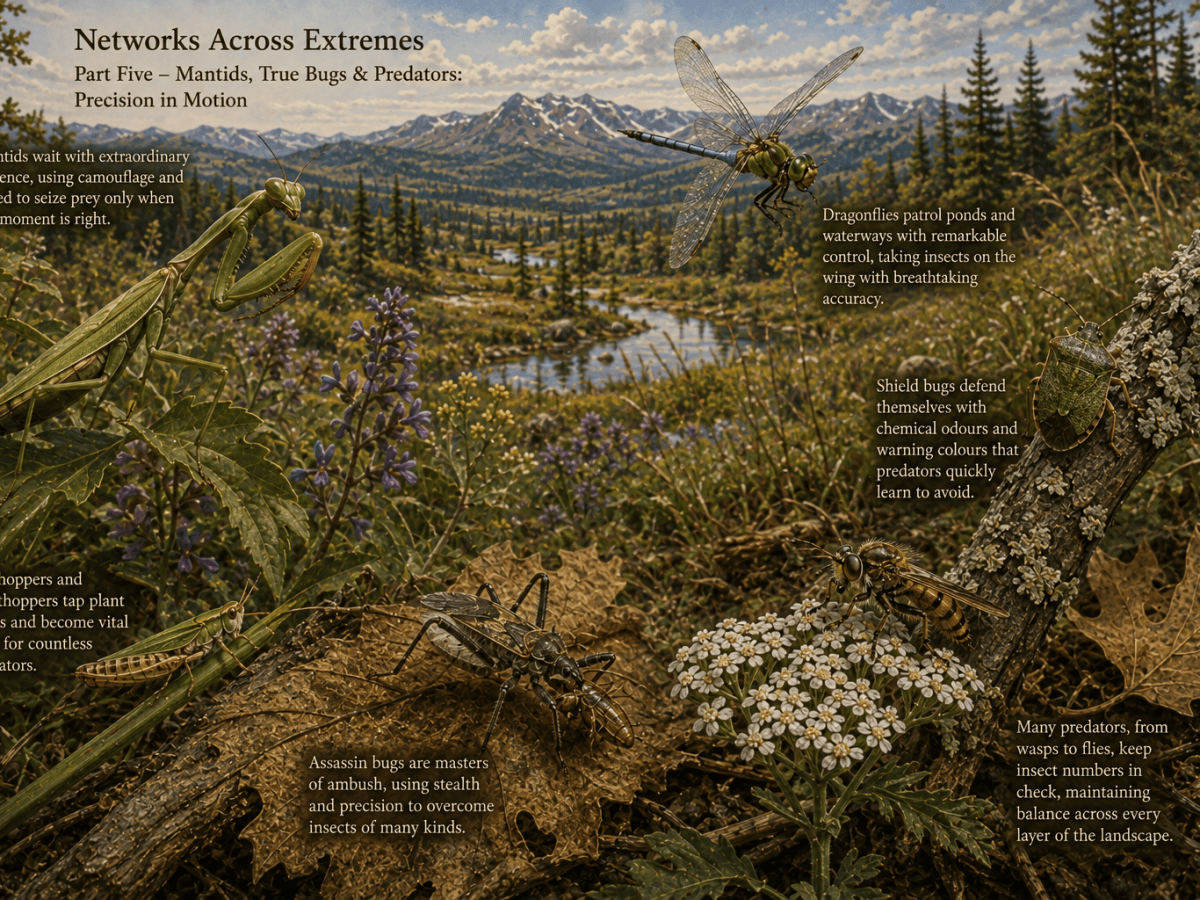
North American Insects
Explore North America’s mantids, true bugs, dragonflies and insect predators, and the precise strategies they use to hunt, escape and maintain ecological balance.
The Ground Beneath the Garden
Discover how shade-loving ground-cover plants transform difficult garden spaces, protect soil and create beautiful, layered planting beneath trees and shrubs.
The Edge of Discovery
Explore the Loch Ness Monster in Case File 05, from famous sightings and photographs to sonar, hoaxes, plesiosaurs, giant eels and modern environmental DNA.

When the Pacific Changes the Weather
El Niño and La Niña are two sides of the vast ENSO system. Discover how the Pacific Ocean and atmosphere interact to influence weather patterns around the world.
Plants Worth Looking at Twice
Discover the quiet appeal of Epimedium, a woodland perennial whose delicate spring flowers, attractive foliage and gradual establishment reward patient gardeners.
| © 2022 – 2026 Rory Matier – The Gardener’s Curious Journal – All rights reserved |

