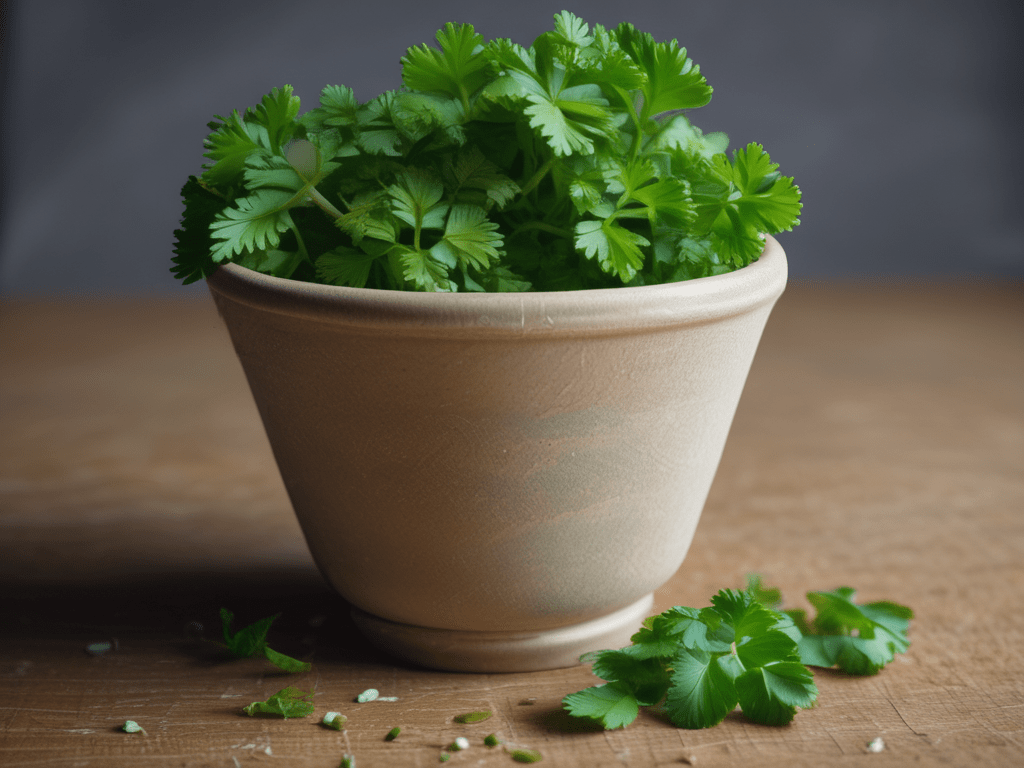
| Coriander |


| Coriander, also known as Cilantro [Coriandrum sativum], is a fast-growing herb that is easy to harvest once ready. It is also an excellent companion to many other plants, including vegetables, fruit, and other spices, and it will also be an excellent companion to some flowers like zinnias, coreopsis, and sweet alyssums. It’s not too keen on sharing the same ground as everything. For example, it could do better than being planted next to fennels, dills, lavenders, thyme or rosemary, and it’s also not fond of sharing the same ground as carrots. The reason is different water needs and shallower root systems. However, cilantro/coriander does well for brassicas, potatoes, peppers, asparagus, strawberries, marigolds, sunflowers, beans, tomatoes, chervil, peas, spinach, kale, and kohlrabi. It also does well next to plants that feed the soil with nitrogen, like peas, clovers, and lupines. However, it pays to be mindful not to plant it next to plants that may overshade it. Coriander likes a shaded spot in well-drained soil. While you can grow it successfully in the ground, it also performs remarkably well in pots. This herb appreciates the sun but doesn’t like direct sunlight for too long, which can scorch the leaves and make them wilt or bolt. Ideally, sunny and lighter positions work best. Some gardeners deliberately allow the plant to bolt, allowing pollinators to enjoy the food the flowers provide thoroughly. This herb is a beneficial insect attractor and is brilliant at repelling pests and predators like potato beetles and spider mites. It attracts hoverflies, and the larvae eat aphids with the leaf load! Parasitic wasps and ladybugs are devout fans of coriander. Debunking a myth – parasitic wasps do not have a stinger and immensely benefit our gardens. Also, despite the oohs and aaahs about planting coriander and tomatoes together, there are additional benefits, such as the herb, which can add to the flavour of some of the fruits. Coriander is a marvellous protector for vegetables like potatoes and peppers. I like chewing on the herb. It is also a valuable source of vitamin K, which aids in blood clotting, prevents heart disease, and helps develop bones. Additionally, it works as an anti-inflammatory agent. Other benefits include strengthening hair and aiding digestion if that isn’t enough. The list of benefits is relatively large. Aside from their medicinal properties, coriander seeds are also used as spices for flavouring dishes, and aromatherapists also utilise them in baking and making tea! In the days of the apothecary, and especially in the empires of the ancient Mediterranean, herbalists and alchemists both had many uses for the plant and its seeds. It grew wild along the Nile, and the ancient Egyptians infused the seeds when bathing, as it was suggested to be a valuable remedy for easing aches and pains and breaking fevers. In short – cilantro is a precious herb to add to your diet, health and lifestyle, but more importantly, to your garden or allotment. It is a beautiful herb that aids enormously in your overall well-being. |
 Earthly Comforts
One thought on “Coriander (Cilantro) Companion Planting Tips and Benefits | Gardening Guide”