
| Are there any particular flowers or herbs that bees love? We must be mindful of our little pollinators; without them, life on our planet would not be the same! If anything at all. I am often surprised at how few people understand the bees’ impact on everything we eat. So, what can we do to help save more bees in our gardens? Research undertaken by many authorities has shown that planting more herbs in our gardens encourages and motivates the bees to be more proactive in daily tasks. Herbs are great to grow anyway. So many of them have primary and secondary uses in the household, from medicinal purposes to dietary garnishing and flavouring, perfumery and scented properties, and boots. They smell nice most of the time. So you can use herbs fresh or dried. As said, herbs have many uses, not just for the bees, which you will read about briefly, but for us – culinary delights and herbal teas. Medicinally, herbs have been grown and harvested for centuries and used in prehistoric medicines. As far back as 5000 BCE [Before the Common Era], they were being used as one of the forerunners to many of the artificial chemical medications we have today. Equally, herbs were used in religions. Monks used to grow many herbs alongside their vegetables, not just for their additional properties but also as companion plants to some of those vegetables. Some herbs act as a ‘backoff predator’ to pests who invade our gardens yearly. We see a solid return for herbal cosmetics, which were used as such as far back as six centuries ago when mixtures of herbs were being milled up and turned into pastes to whiten the face. Even today, we still have many cosmetics that rely heavily upon herbs—from face creams and scrubs to lipsticks, body oils, and natural fragrances. Some herbs can be used exclusively by gardeners, not just in the role above of companion planting, but many also, when soaked and stewed, can act as insecticides and preventers. Some have astringent scents attached to them, which many pests do not like, and others have a sticky surface trapping many. So, having a garden or space allocated to growing or mixing herbs with your natural garden produce has the dual benefit of helping you and all of our pollinators. Global bee populations are declining dangerously, making them one of the most significant pollinators of the world’s food production. Keeping them with us is crucial to our well-being and almost to our survival. Pesticide poisonings, aggressive agricultural farming methods, climate change, and suburbanisation are among the chief culprits of declining populations. As gardeners, we need to do everything we can to increase the population and keep our bees healthy. Easy ways to help bees You don’t have to grow all of the herbs mentioned below; you can produce a few, but the main point is to have somewhere for the bees to go to, where they are in a nutrient-filled environment that helps them sustain their lives and their whole essence, as well as ours. Here are some herbs that bees adore! Comfrey Oregano Thyme Rosemary Lavender Borage Chives Nasturtium Bronze Fennel Catnip Mints Rosemary Sage Clary Sage Feverfew Lemon Balm Angelica You know you could miss everything and have a lavender garden; everyone would be happy! Of course, there are other herbs you can plant that produce smaller blossoms, but they still attract pollinators, and that is the name of this game! You want to attract pollinators to your gardens. |
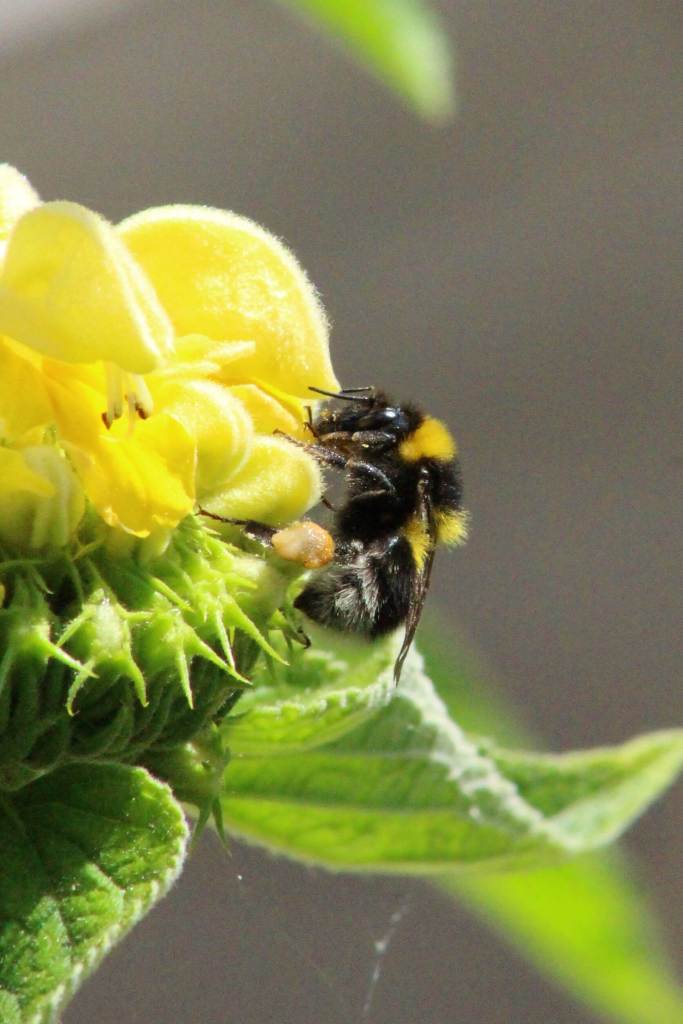
| Turkish Sage and Bumblebee – my image |
 Earthly Comforts
Thank you for sharing this important information with us all, Rory!
LikeLiked by 1 person
Thank you Betty 🙂
LikeLiked by 1 person
😊
LikeLiked by 1 person