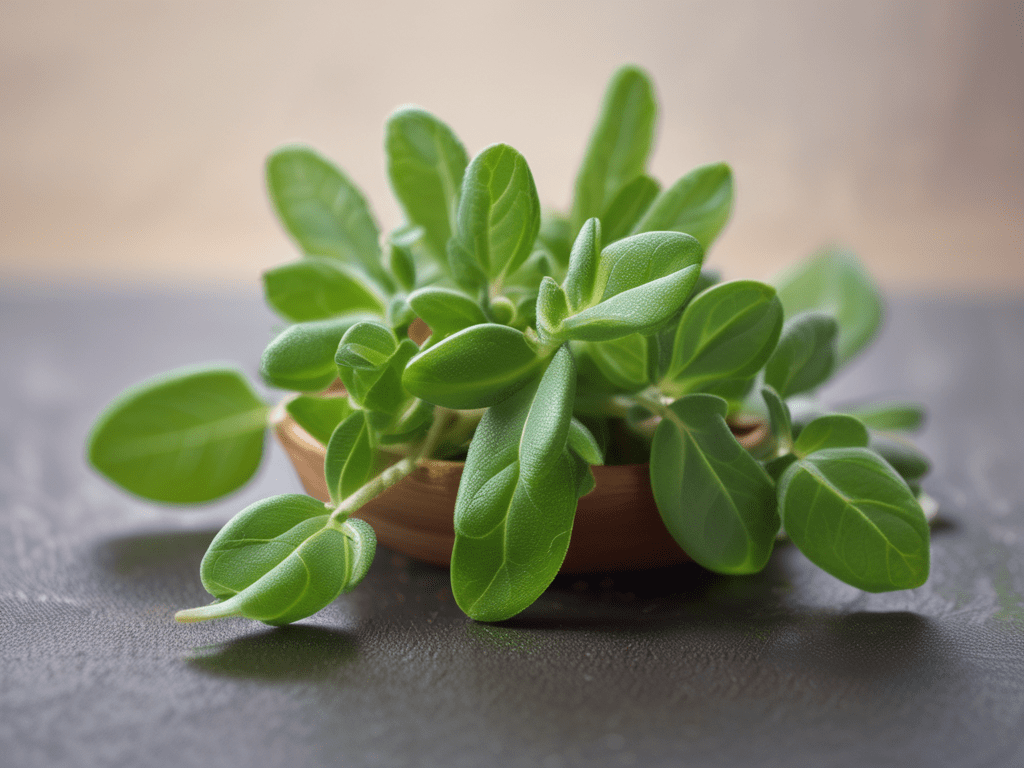
| Marjoram Origanum majorana |
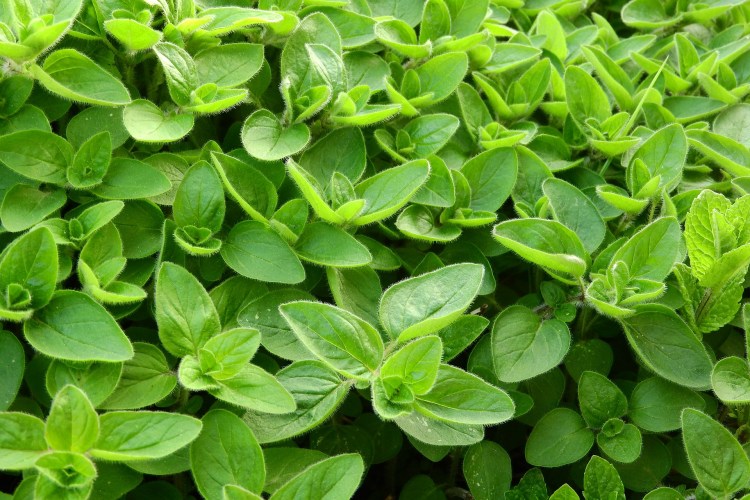
| Marjoram |
| Marjoram is a perennial herb with flavours of both citrus and pine. It is sometimes called sweet, garden, wild or knotted marjoram because the herb is occasionally confused with oregano – Marjoram’s botanical name is Origanum majorana, whilst Oregano is Origanum vulgare, so you can see they are closely related – same genus, just different species. Both are grown for their aroma and used as fresh and dried herbs in seasoning. The main difference is that marjoram is part of the family of mint and a sub-species of oregano. The herbs can be interchanged when cooking – fresh for fresh – however, oregano has less of a sweet flavour than marjoram, so remember to use less, and dried oregano tastes stronger than new. Dried marjoram is an excellent seasoning for salad dressings, meat dishes, and many Mediterranean recipes. Marjoram has long been used in traditional and folk remedies and recorded uses of this herb date back to the ancient Greeks. It used to be used by apothecaries when they produced love potions. It was used to create beers, tobaccos, preservatives and snuffs. Legend believes that if this herb grew by your grave, your soul would be happy in heaven. Even today, the presence of marjoram growing near loved ones suggests good luck in the next life. It is known for its benefits and can be used in compounds regarding anti-inflammatory, antioxidant, antispasmodic and antimicrobial issues. It has also been known to benefit women regarding their hormonal health and those suffering from anxiety and sleeping disorders. Also, it has analgesic properties, which are helpful to aching muscles and joints and digestion problems and improving circulation to the skin. One of the best ways to add this herb to your diet is either as a seasoning or as a garnish in small quantities, although fresh and dried leaves can be used to make tea. |
 Earthly Comforts
It looks so green and inviting. It’s not a herb we use in our cuisine here.
LikeLiked by 1 person
Thank you for the informative article, Rory. I wasn’t aware of the connection to mint.
LikeLiked by 1 person
Thank you also Betty, it’s a wonderful herb 🙂
LikeLiked by 1 person
😊
LikeLiked by 1 person