

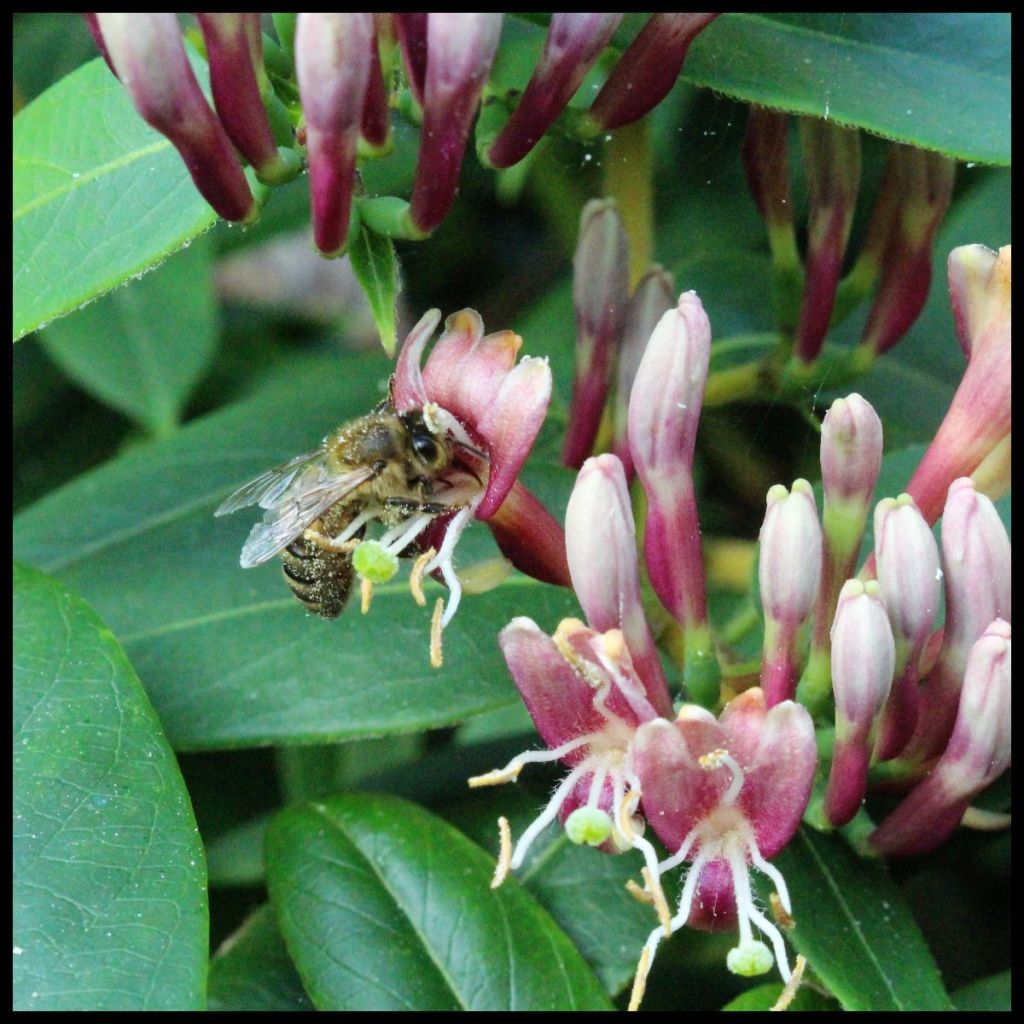
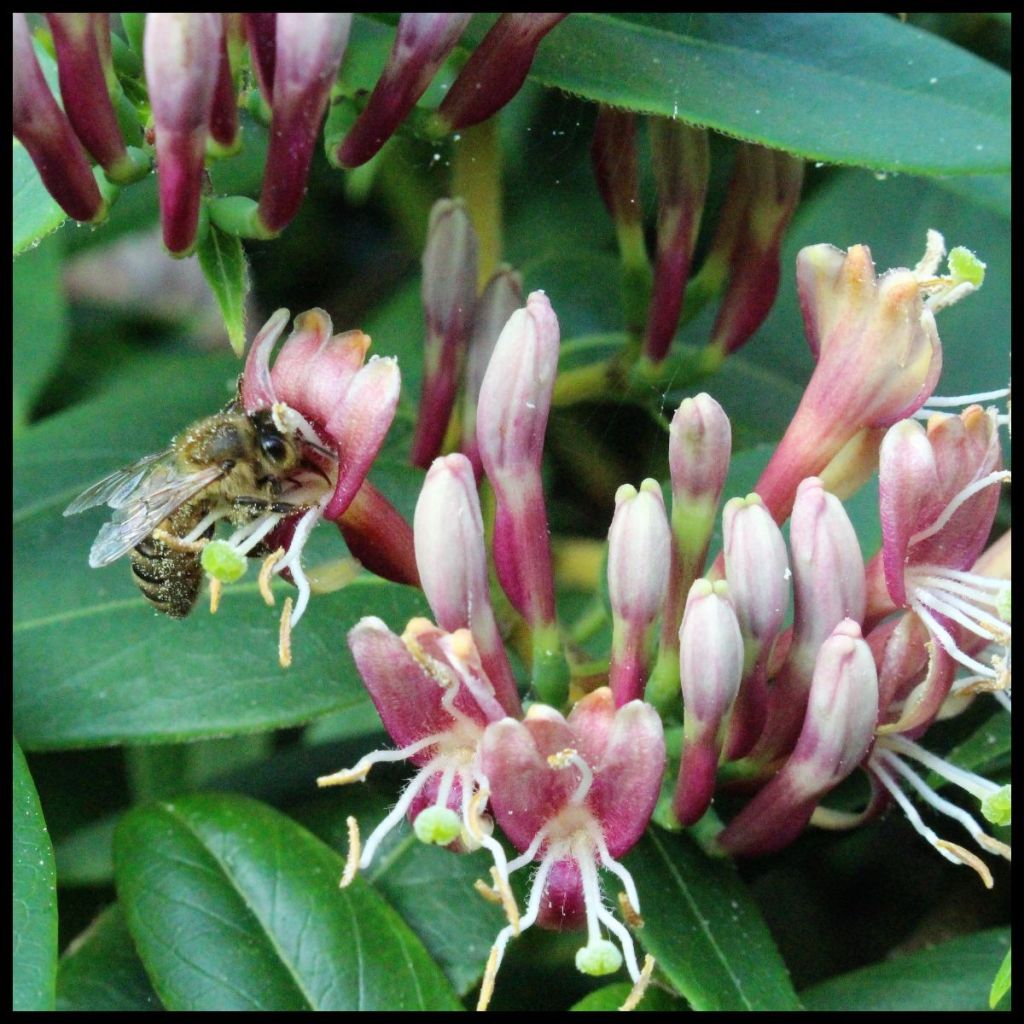
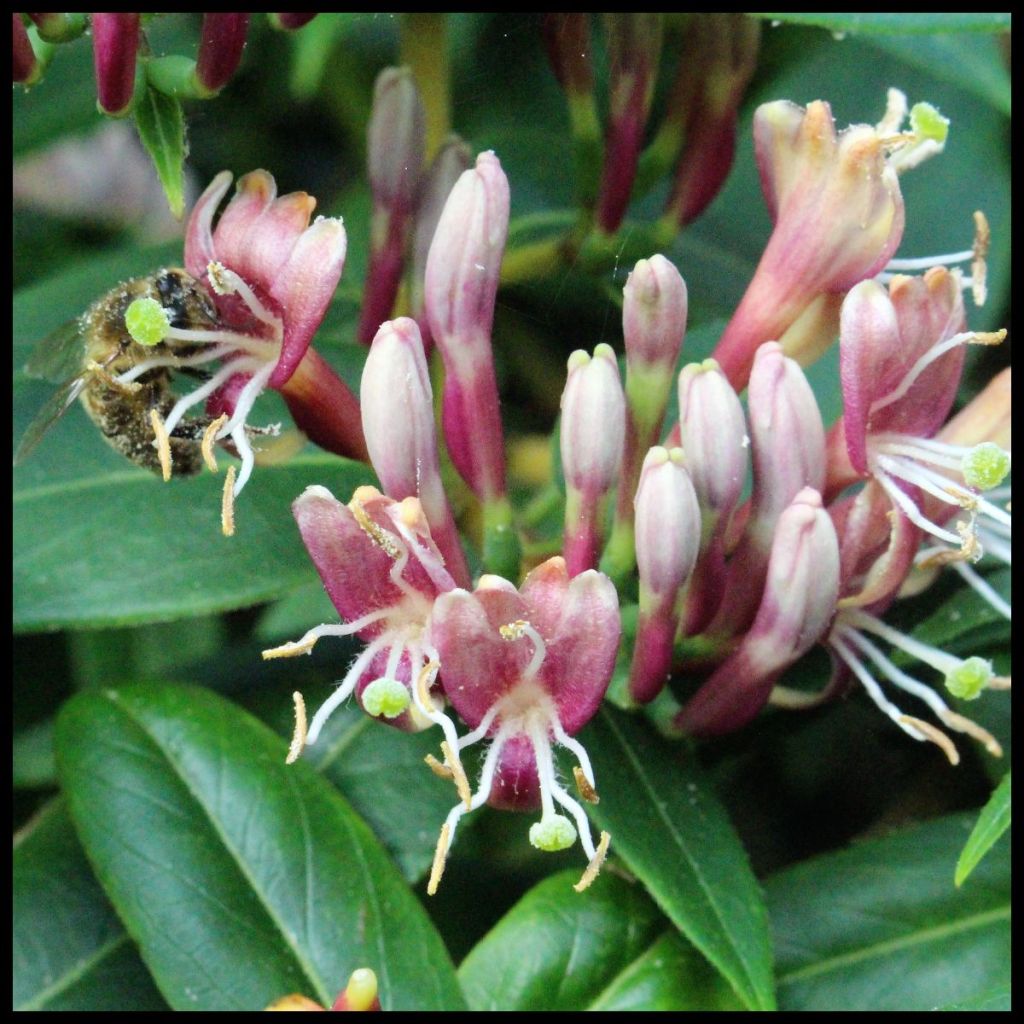


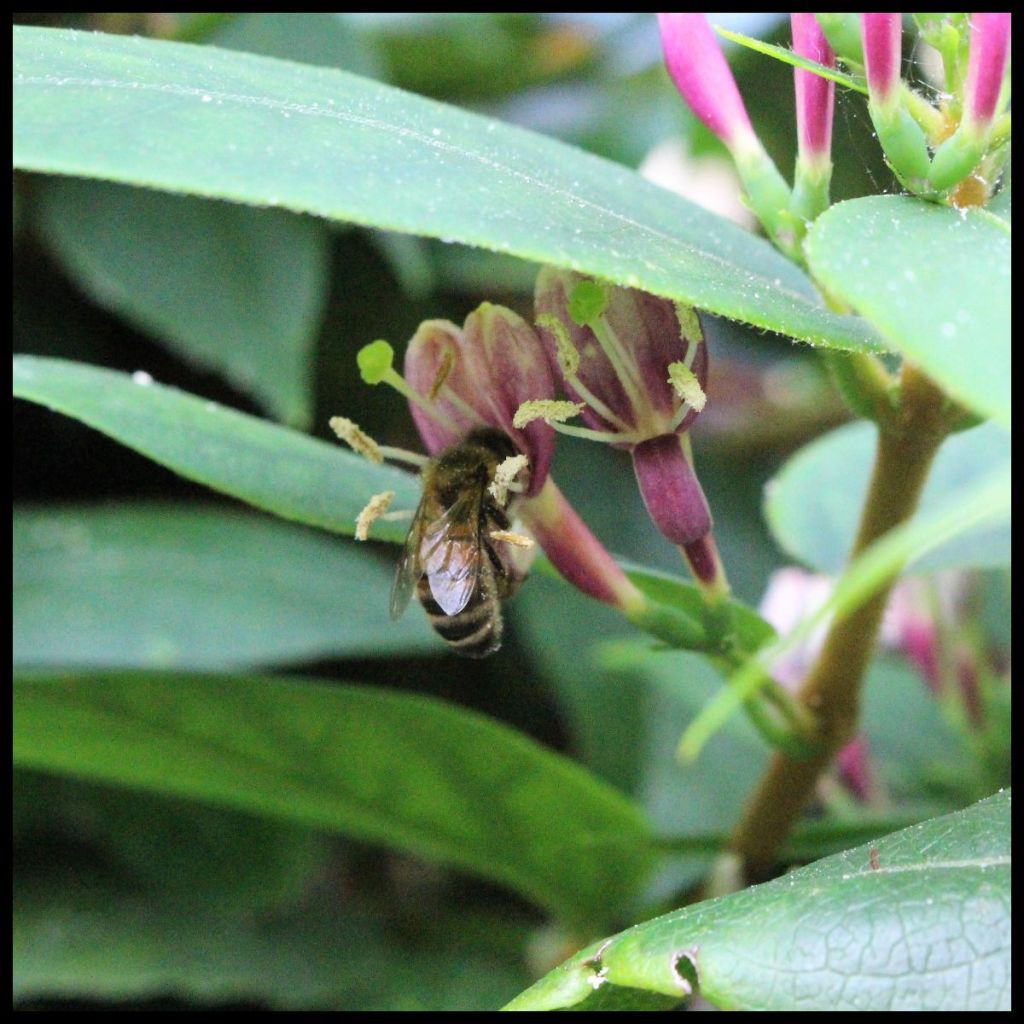
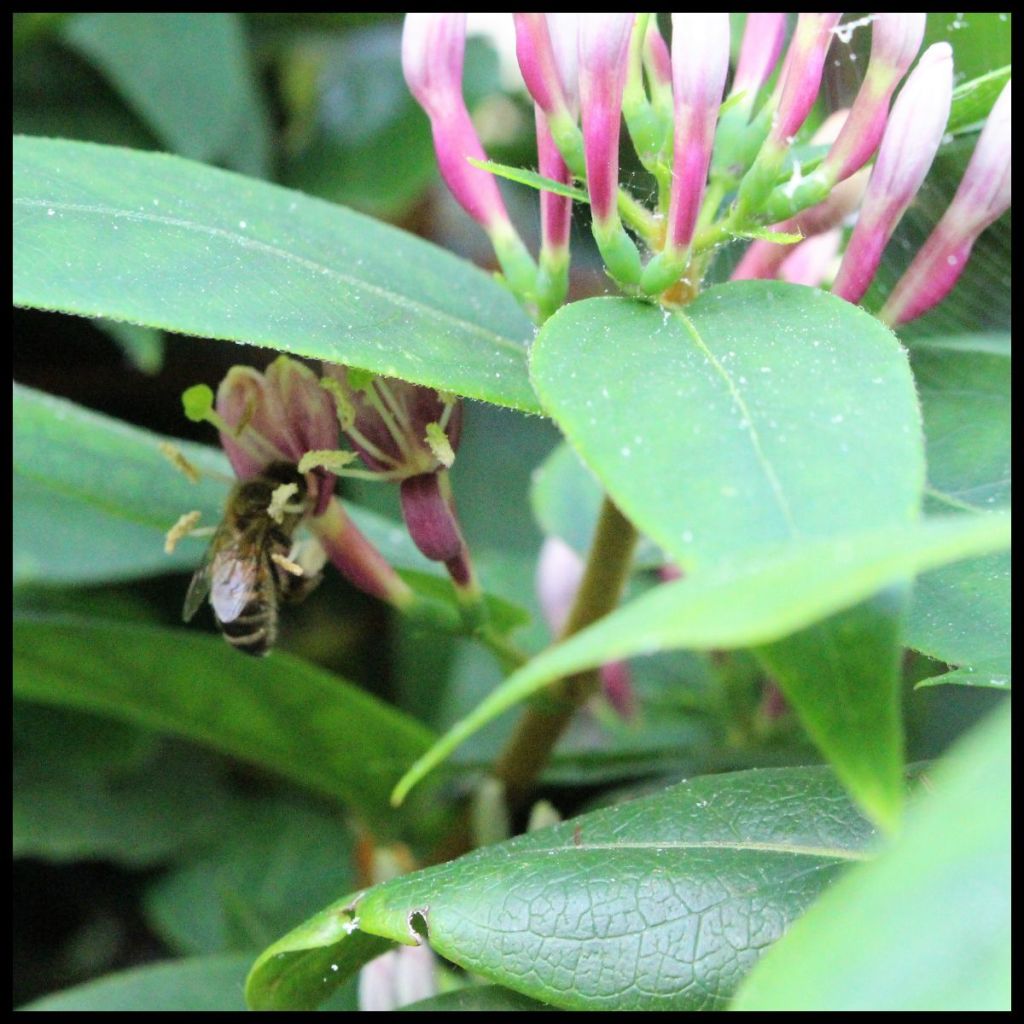
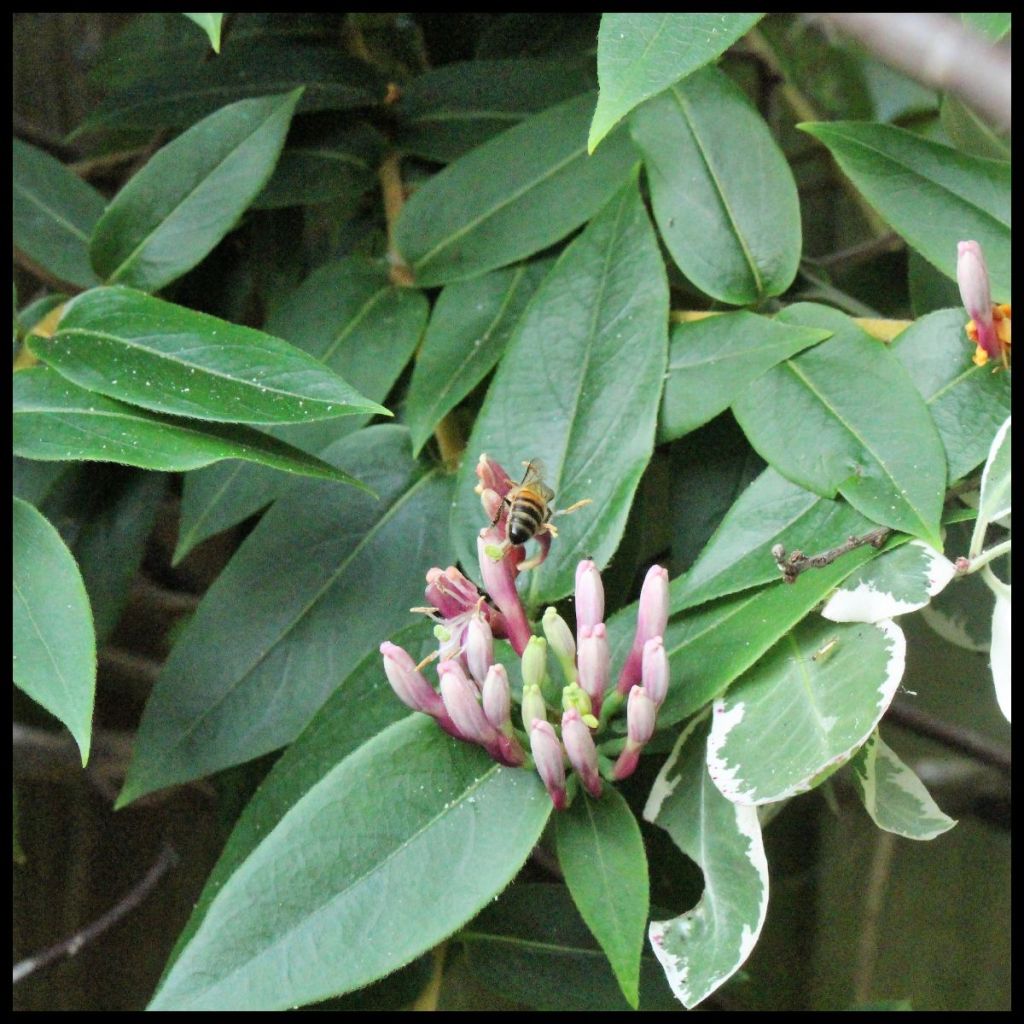
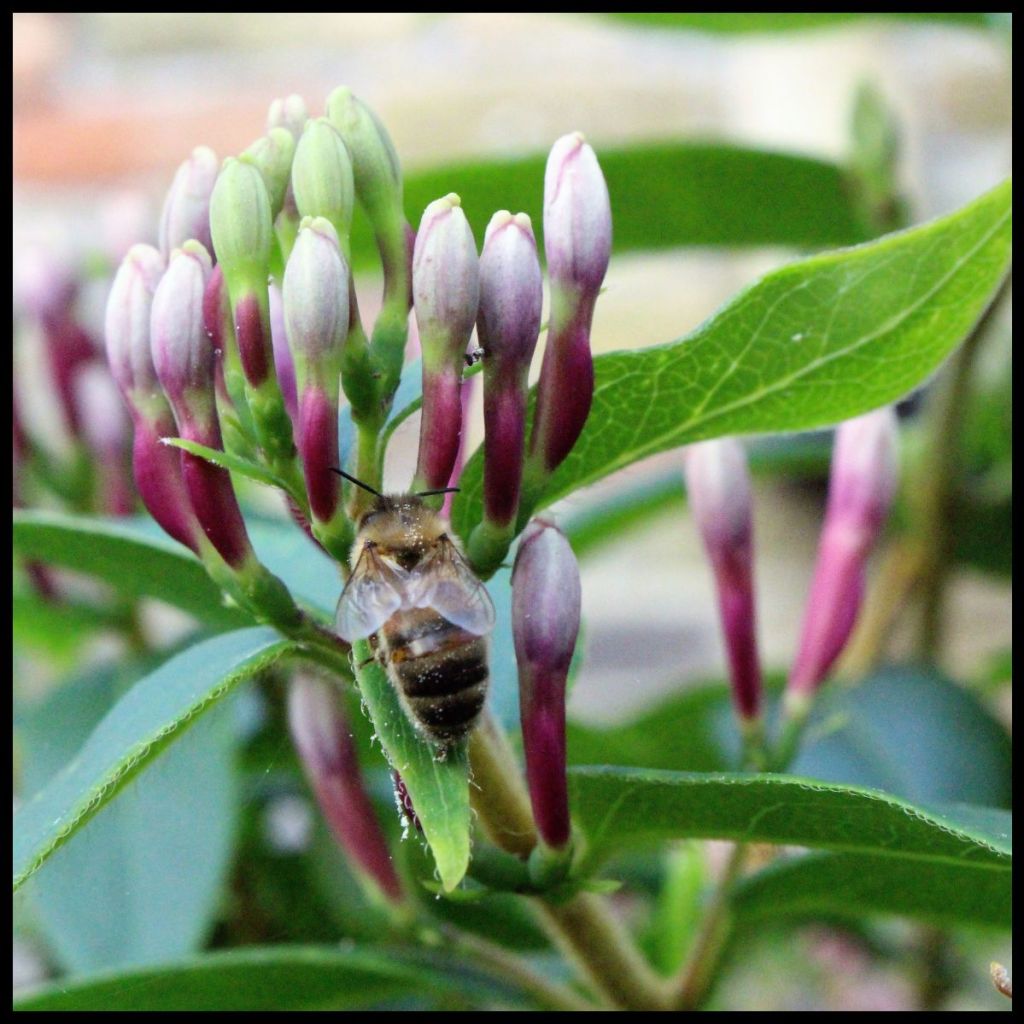
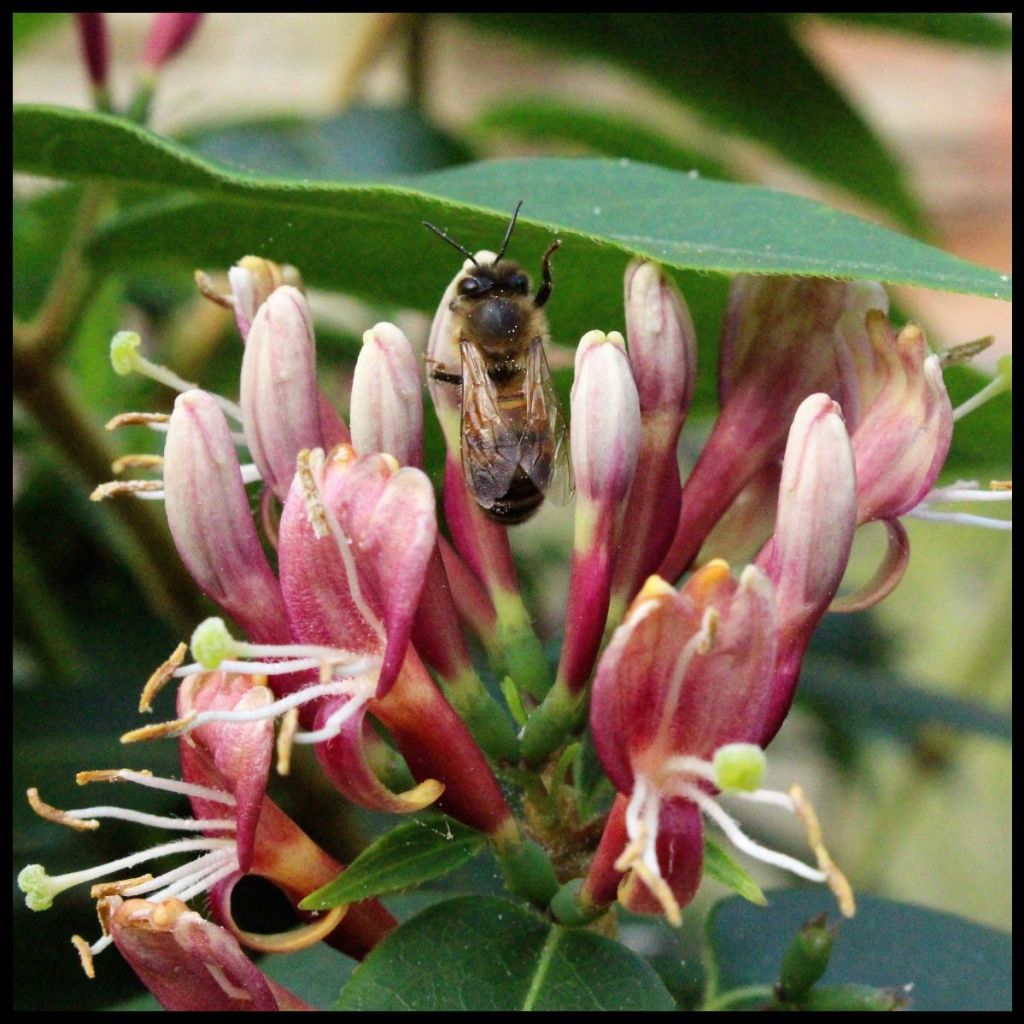
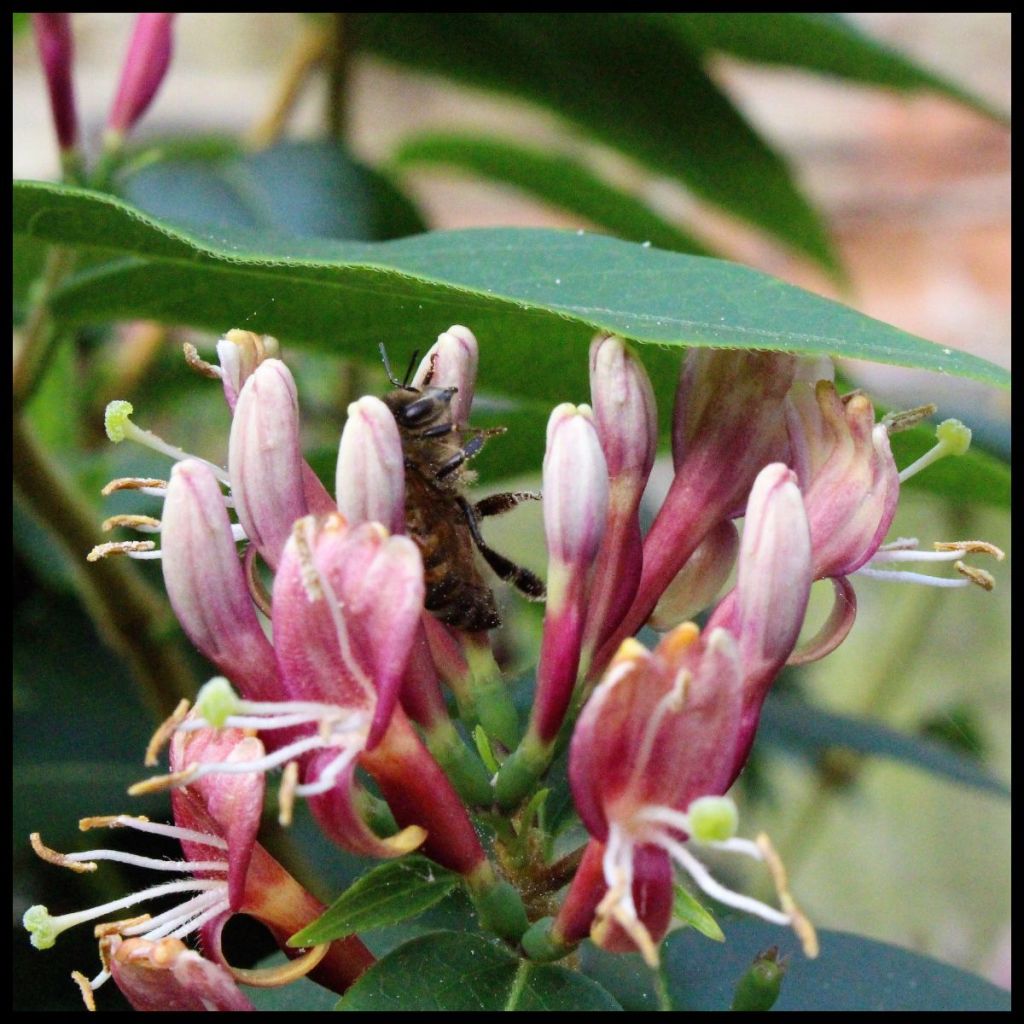
| “Bees have a smell, and if they don’t, they should, for their feet are dusted with spices from a million flowers.” Ray Bradbury, Dandelion Wine |
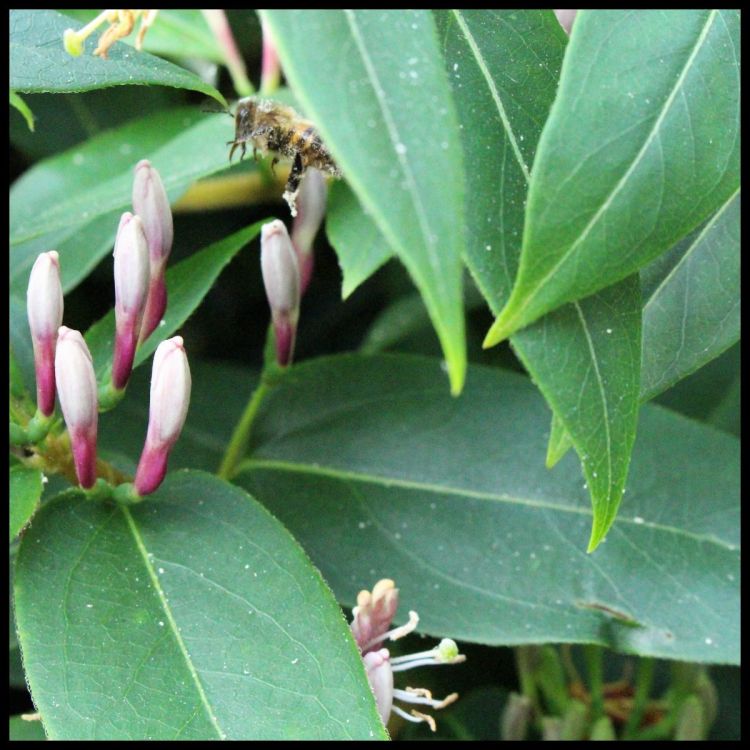
| “The lovely flowers embarrass me, They make me regret I am not a bee” Emily Dickinson |
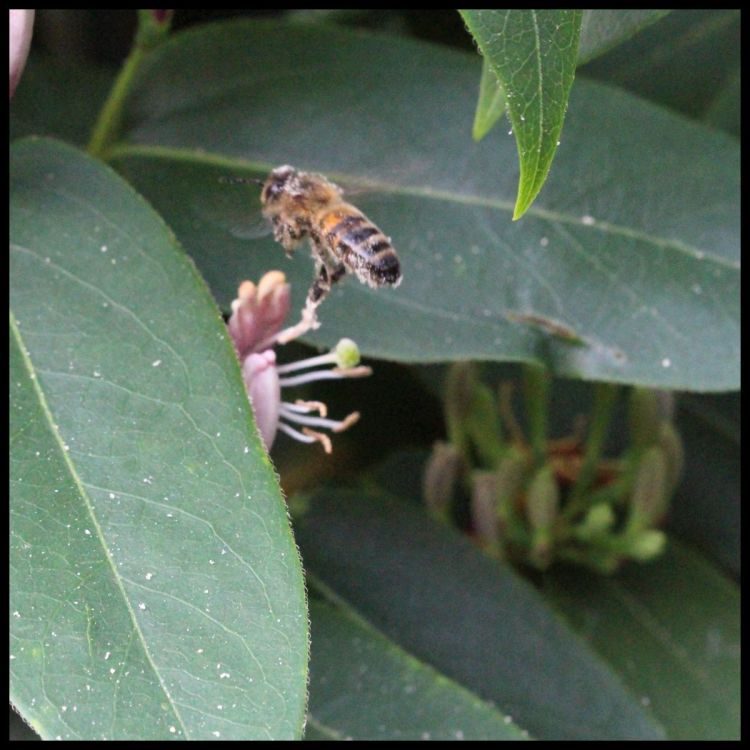
| The bee is more honored than other animals, not because she labors, but because she labors for others. St. John Chrysostom |
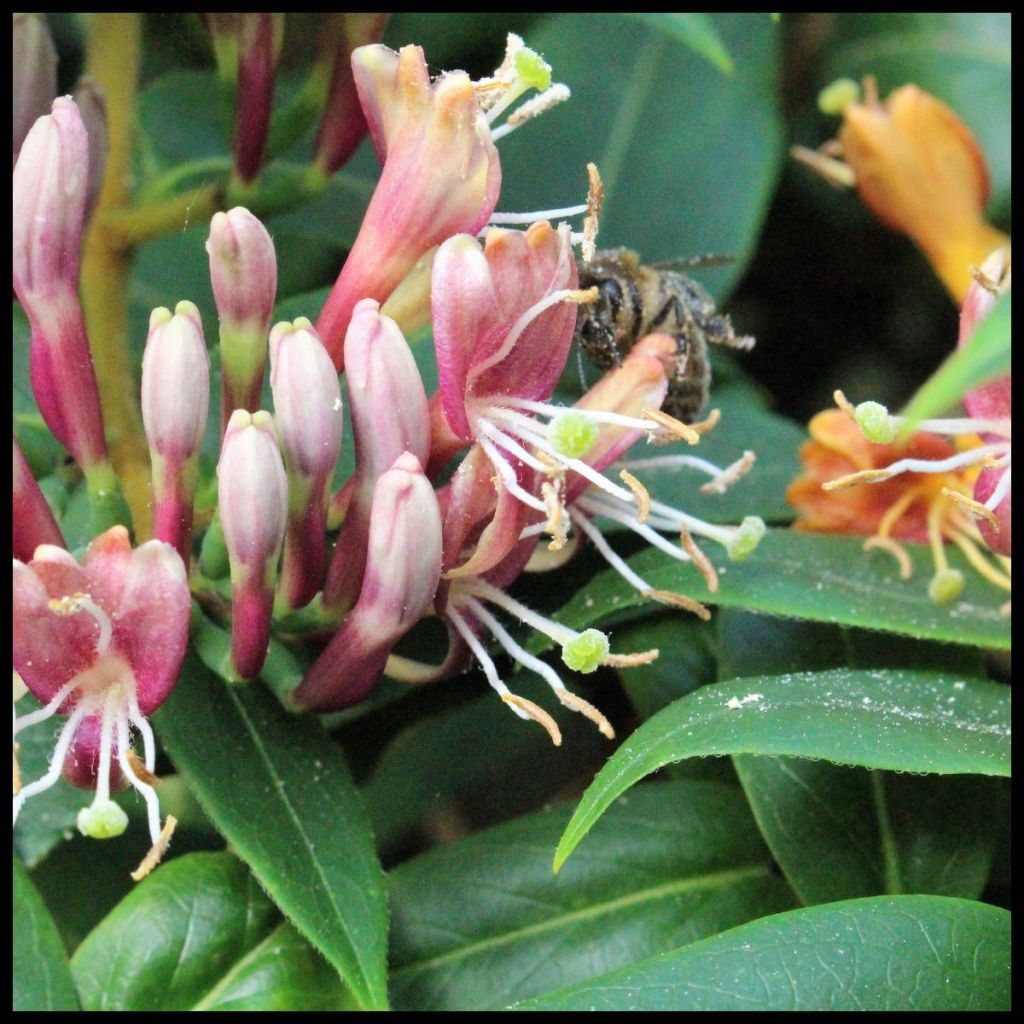
| Why Should We Be Bee-Friendly? Because Every Little Bit Helps! It’s not a complex science, just a matter of awareness and simple actions. It’s just awareness—simplicity itself. Would you rather Be Happy or Be Extinct? Personally, I think I would prefer living bees to dead bees, and the bees probably agree with me! How BEE-friendly are you? Your actions can make a significant difference in the survival of these vital pollinators. With the spring and summer months back, our bees are back into their daily routines. Instead of seeing them as ‘weeds’, consider these plants as wildflowers in the wrong place. It’s a kinder perspective that fosters a more harmonious relationship with nature. Plant more BEE-friendly flowers and flowering herbs in your garden – With the loss of nesting and foraging habitat due to intensive monocultural agricultural practices and the ever-increasing and rising suburbanization-driven society pressures demanding more housing – natural landscapes are fast disappearing. You can alter things by planting flowers in your garden. The plant blooms heavily as Bees love forage volume and plant for the seasons in which the pollinators are most active – early spring to late summer. Plan your flowering crops effectively; Seasonal Reflective: Lilacs, Lavenders, Sages, Verbena, Wisteria, Mints, Squashes, Tomatoes, Sunflowers, Oregano, Rosemary, Thyme, Red Clover, Cornflowers, Honeysuckle, Buddleia, Foxglove, Poppy, Fuschia, Alliums, Daffodils The flowers to avoid are pansies, Begonias, and Petunias. They may look pretty and lovely but add very little value to pollination populations. However, this is not to avoid having an ornamental garden; it is purely to introduce more Bee-friendly environments to coexist alongside it. BEE Weed Friendly: Got to get rid of the weeds!! Not necessarily – spare a thought to the Bees regarding the likes of clovers, dandelions, and some wildflowers that could be classed as weeds. Don’t be so disciplined to the lawn; let it breathe on the wild side a little longer. Allow many plants to bloom first and then pull before it goes to seed. Every little bit helps. DON’T use pesticides or chemicals in your garden – think organically! Provide a BEE basin – it’s thirsty work when you are ‘Pollen’ all day! Bees drink, too, and water is always appreciated. Buy local organic food, including raw honey! Keep looking out for farmers’ markets and support them rather than monoculture practices—support ecological farming. BEE – Friendly – Not Foe! What would you instead do, BEE or a wasp? Learn the difference between the species, and don’t lash out at a friendly! Bees are vegetarians, unlike wasps, who are carnivores! When the BEE loses its sting, it loses its life. However, when a wasp stings, it stings another day!! Having said this, do spare a thought for the wasp. It also serves a great purpose for your garden as it clears up in a predatory manner, and DO serve our environment just in a different way – they are more along the lines of the Bother Gang – they clean up the crap in our gardens and as such as equally considered ecological warriors with an attitude. They clear out caterpillars, greenflies, and other gardeners’ pests! The secret to getting on with them is simple – don’t piss them off! THINK BEE! Help to raise awareness of the plight and decline of pollinators! NO ONE IS EVER too small to make a difference! |
| What would YOU rather? Bee Happy Or Bee Extinct? |
 Earthly Comforts
One thought on “How to Create a Bee-Friendly Garden: Planting, Foraging, and Feeding”