
| Horseradish Armoracia rusticana |
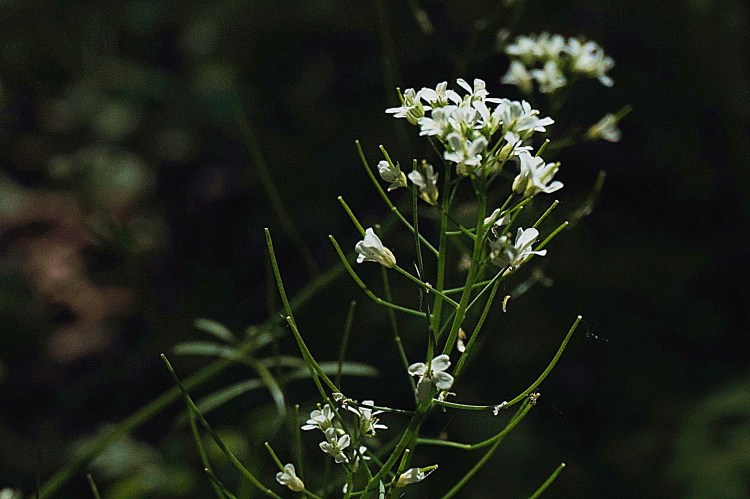
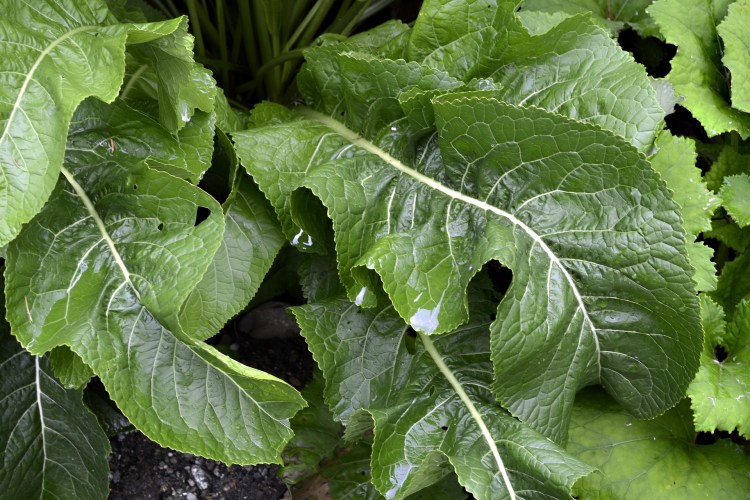

| Horseradish is a vegetable, a perennial plant and a member of the Brassica family. This root vegetable is better known for its wider use as a spice and a spicy condiment! I grew up in Australia in the ’70s and had never eaten a full-roasted dinner. The first time I did, I was in England, and I was offered some mild horseradish sauce to adorn my lamb with. It practically blew my head off my shoulders! Luckily, I was hooked and not sunk and continued to use the sauce for many years afterwards. I also grew horseradish for a few years, intending to make the sauce. I had to stop because I could no longer digest it, and I no longer ate red meat. Many people look at horseradish and don’t particularly see it as a vegetable but a wild weed. It grows freely on roadside verges here in the UK. It is considered invasive and has a highly long root system. I only grew it in a raised water barrel rather than the soil, as removing it can prove awkward. Whilst it can be grown directly from seed, the preferred method is to use parts of the root known as thongs. You can eat horseradish raw, cooked, or pickled for the hearty volcanic lot! The leaves are edible and hot but tasty; you can even stir-fry them into a meal! However, I have found the best results from the younger leaves, which are relatively easy to cook, and I have added them to stir-fries and summer salads. It is called horseradish, although its original name was mareradish, which in itself was a mispronunciation of the German name for it, meerrettich, which translated to sea radish. Eventually, it was just called horseradish. There are a few benefits to having horseradish plants in your garden. Horseradish is a culinary marvel, serving a multitude of purposes from enhancing the flavor of dishes to being a standalone condiment. Once established, horseradish is a highly prolific grower, producing an abundance of roots and leaves. With regular harvesting, you can enjoy its benefits every couple of weeks, giving you a sense of confidence and encouragement in your gardening endeavors. It can make horseradish tea, spray onto your plants and ward off many pesty organisms. The leaves can be used as green manure mulch in the winter months or composted. Horseradish is not just a vegetable, it’s a helpful companion plant. Its ability to divert pests makes it an excellent addition to any garden, empowering you in your gardening journey. |
 Earthly Comforts
One thought on “Discovering Horseradish: From Wild Weed to Multipurpose Vegetable”