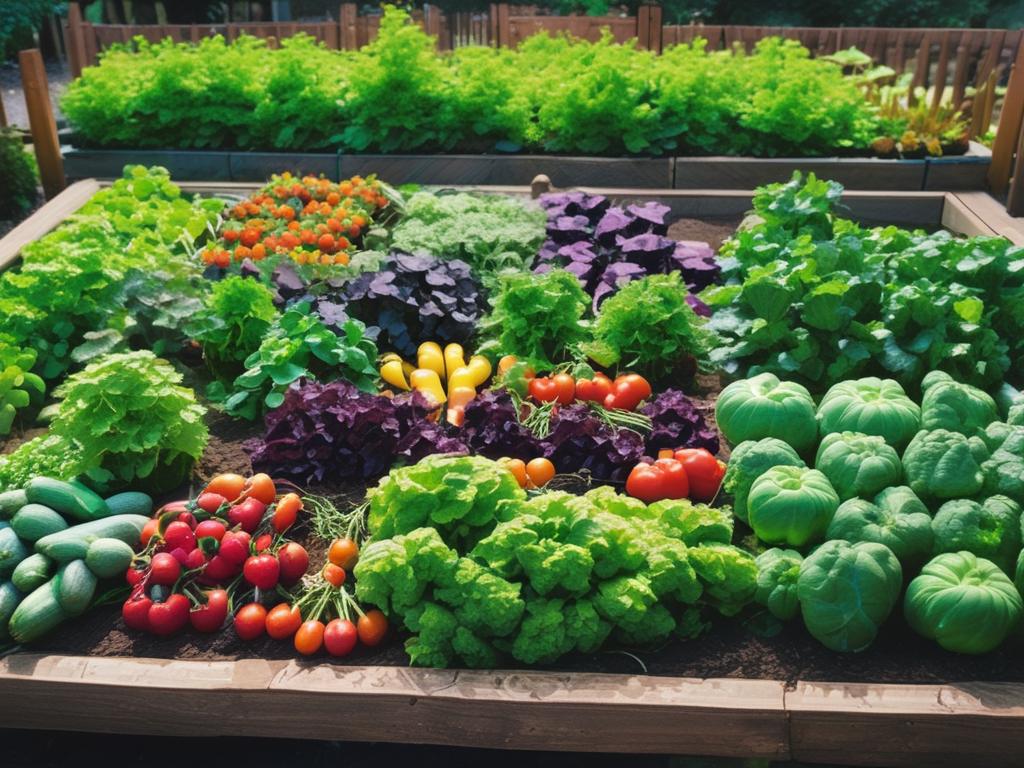
| Gardening has become more accessible to different demographics in the last fifteen to twenty years. The old myth that vegetable gardening is a rich man’s hobby due to it being expensive is pure folly. Many vegetables, surprisingly, are very easy to grow. This should give you the confidence that you, too, can cultivate your own produce. Backyard gardening, initially called ‘Victory Gardening’ or ‘War Gardens’ in the USA and Canada and ‘Digging for Victory’ in the UK, became an essential aspect of motivational gardening during the war years. Surplus lands, waste grounds, and even inside bomb craters were used, utilised and requisitioned for sports fields, playing parks, and grazing areas for growing vegetables. In Britain alone, by 1943, allotments had increased to well over 1 million plots. Radio programmes dedicated to growing vegetables such as potatoes and leeks became regular entertainment. The purpose was to ‘do what you could for the war effort and aid the rationing issues’. Herb plots were created and maintained always to have medicinal properties on board when the enemy made shortages through sinkings and blockades of merchant shipping. After the war ended, backyard farming became a popular pastime due to the still-ever-present food shortages, which remained the case until the early to middle years of the fifties. Homegrown vegetable gardening took a slump from the ’70s to the ’80s. With the arrival of the millennium and the turn of the century, vegetable gardening enthusiasts and enthusiasm have once again risen to astonishing levels due to the increased awareness of environmental and climatic changes and organic and sustainable healthy food lifestyles and living. Nowadays, more people understand the importance of growing your well. Gardeners decide to take on board the challenge for many reasons, ranging from making savings to the wallet, especially with the continually rising cost of living. The quality of food we buy from our supermarkets and grocers is much poorer than at the turn of the century. Consumers place enormous demands on commercial growers, so much so that these same growers cut corners and start to try and develop foods that do not even need growing! The result is that the foods we buy are soiling and spoiling much quicker than ever due to bad farming practices and the overuse of exploitive chemicals. Growing your own food means more control on your side and no chemicals, more flavours, more taste and more nutrition. This empowerment over your food choices can lead to a healthier lifestyle. Gardening is an incredible way to stay healthy and fitter. It also involves being involved in the outside environment—soil alone—and the very touch of it is a remarkable motivator. Despite what many think, you do save money. Once your garden is working and you are maintaining it, we are not talking a few pennies here and there. We are talking a lot of money. Yes, there will always be an initial monetary investment and a physical time element, but over time, your garden will produce its weight in gold. Organic gardening is helping the environment, and it’s assisting your planet, our planet, and the planet full stop. If everyone did something gardening-wise, the impact would be astronomical on our planet. Recycling, composting, worm farming, litter collection, upcycling, and vegetable gardening are listed among the significant issues that can help our environment help us. Having your garden—be it wildlife, vegetable, ornamental, herbal, or whatever—also helps our pollinators thrive and survive. Grow vegetables and motivate yourself—sustainability independence to boot! Trust me when I say that there is an incredible sense of pride and achievement when you, with your own two hands, have created food for your table, for your family, for your friends, or even for sales! There are many reasons to grow vegetables, fruits, herbs, and flowers, and they all far outweigh the myth that gardening is an expensive hobby. |
| Peppers | Salad Greens | Radish |
| Beetroot | Runner Beans | Peas |
| Potatoes | Broad Beans | Onions |
| Garlic | Carrots | Kale |
| 1 – Peppers [Capsicum] |
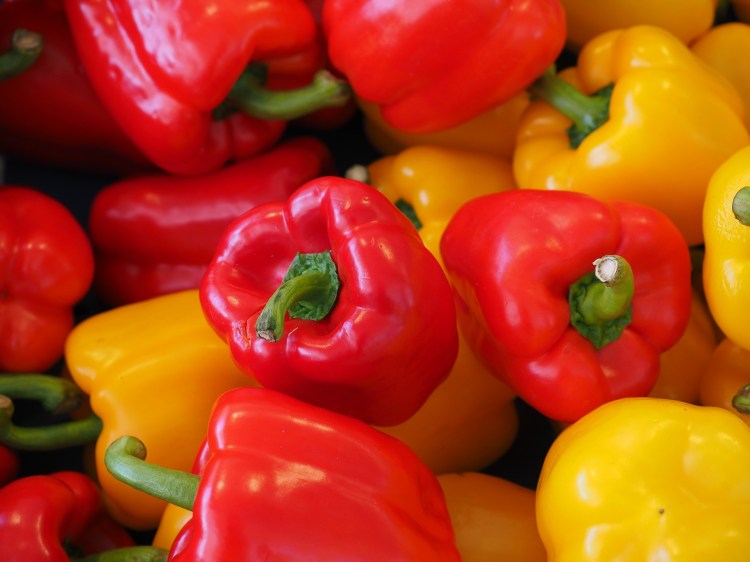

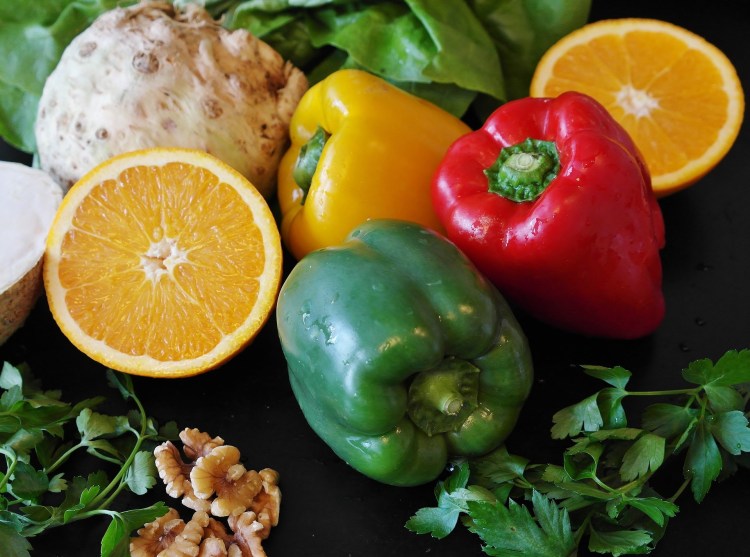
| Sow from February [Indoors] to April [Outdoors Greenhouse]and Harvest from July through November. Hot peppers, or chillies and sweet peppers, are a resilient plant that can adapt to various climates. This plant thrives in heat, and depending on your location, it can be easily grown both outdoors and indoors. Remember, the fruits of your labor will be available from July through November, a period of anticipation and reward. |
| 2 – Salad Greens |


| Sow from March through to August—some varieties allow for longer sowing. Harvest from April through September. There is an extensive range of products available that fall into this category: spinach varieties, rocket, wild rocket, corn salad, oriental greens, mizuna, mustards, Kale, parsley, nasturtium, marigold and much more pending and reflective upon your idea of a salad. They are easy to grow also … sow seed into a pot and keep well watered. You could have these on your windowsills in the house or the kitchen and cut them as and when you need them. Keep harvesting, and the salads will continue to produce for the season. So you are not overrun with salad leaves, try succession growing, such as sowing new seeds once every 2 – 3 weeks, so you always have a continuous flow of fresh leaves. The growing hint here is to prevent crops from bolting or running to seed too quickly – water frequently. |
| 3 – Radish |
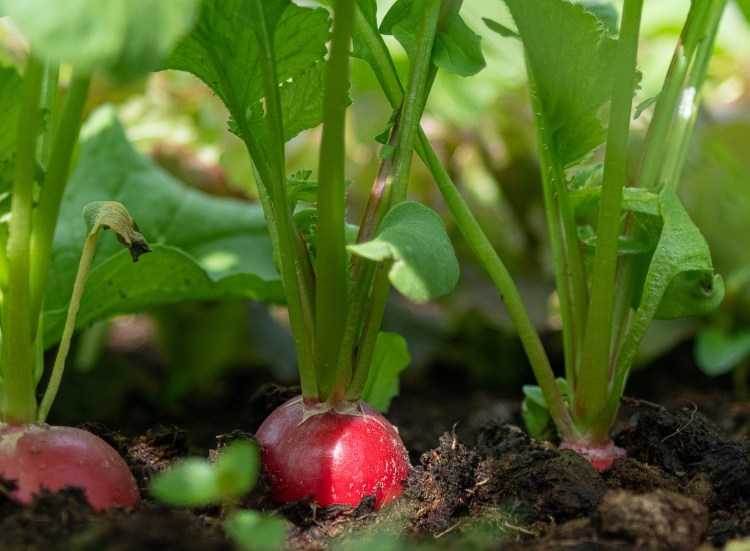
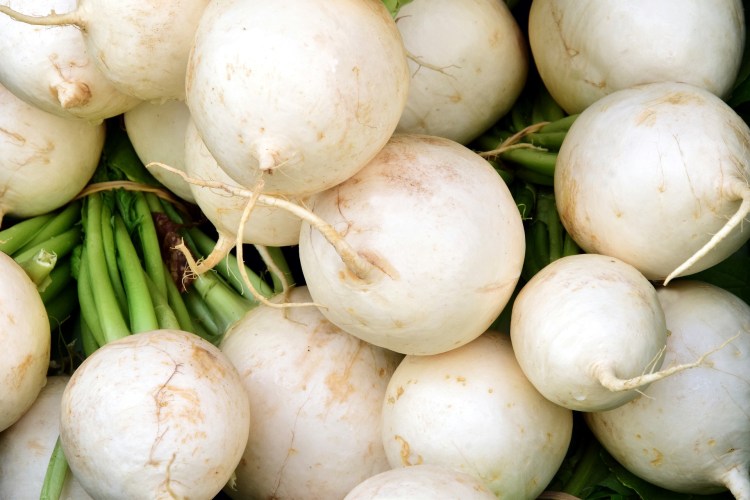

| Sow a month after the last frost through August—some varieties allow for longer sowing. Harvest from April through September. Who doesn’t like these little peppery and spicy vegetables? In addition to the hot fruit, you can also eat their leaves—if young, you can use them in salads, and if older, you can cook them like spinach! There are so many varieties of radish available that you’ll not be hard pressed to find one you like. The beauty of radishes is that you can grow them indoors in a pot or outdoors in a larger container, on a raised bed, or the ground. There are also microgreen varieties of radish available now. Water likes salads as they can quickly bolt or run to seed, or, if left too long, they become very woody and lose all taste. The more water they have, the more healthy growth they encourage. |
| 4 – Beetroot |
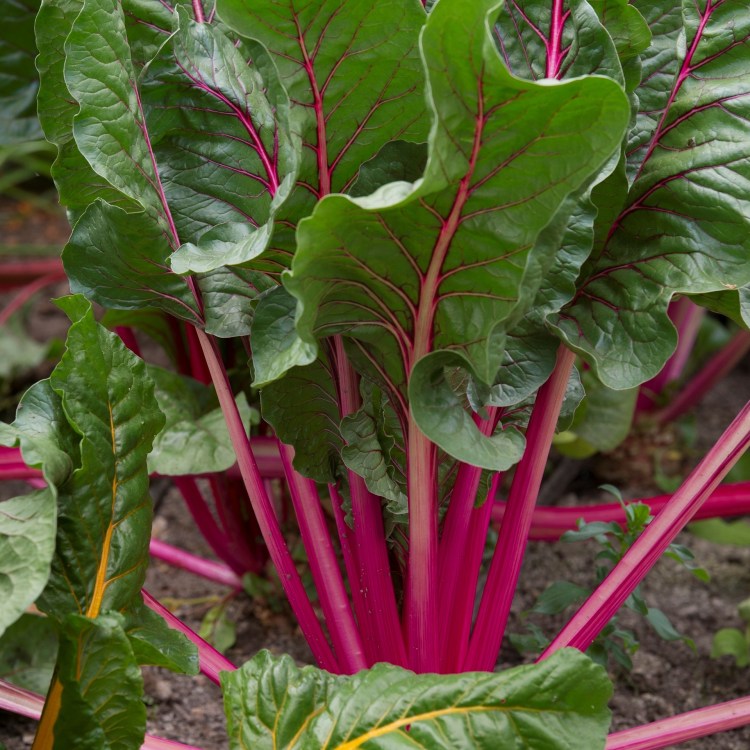


| Enjoy the process of sowing from March through August and harvesting from later April through early October. It’s a journey of growth and learning that you’ll find truly rewarding. Once more, the gardener is spoilt for choice with a delightful array of beetroot varieties. Sow into moist soil and keep this root crop watered to prevent bolting. The best size for harvesting is when the root is golf ball size, but if not, then no bigger than a cricket ball for better results and flavour. This is a great vegetable to enjoy raw in salads or cooked and added to roasts or side serving. Its versatility in the kitchen allows for a myriad of creative and adventurous dishes. |
| 5 – Runner Beans |


| Sow in soil directly outdoors from April to June and harvest from July through October. Runner Beans are one of the most straightforward bean varieties to grow. They are quicker and, in my opinion, more efficient as a grower than climbing beans, and they produce a higher yield ratio. The secret to plentiful harvests is picking the fruit often, encouraging the plant to produce a crop for you continually. Like many bean varieties, runner beans need to be trained to grow up a support system like a cane wigwam, a wire or wooden trestle, or the string method. You can grow in the ground, containers, or raised beds; runner beans have a lot of versatility. Beans drink a LOT of water, so ensure you mulch the growing spot well to retain moisture. |
| 6 – Peas |


| Sow from February to June and Harvest from June to October. Peas, with their resilience to cooler weather, are a great choice for home gardeners. You can sow seeds indoors earlier, and this vegetable can survive being sewn directly to the ground earlier than others, giving you a head start in your gardening journey. Similar to runner beans, peas also require a sturdy support system. Once they reach their peak height, it’s essential to pinch out the tops. As a continuous harvest cropper, the more you pick during the growing season, the more bountiful the plants’ yield. |
| 7 – Potatoes |
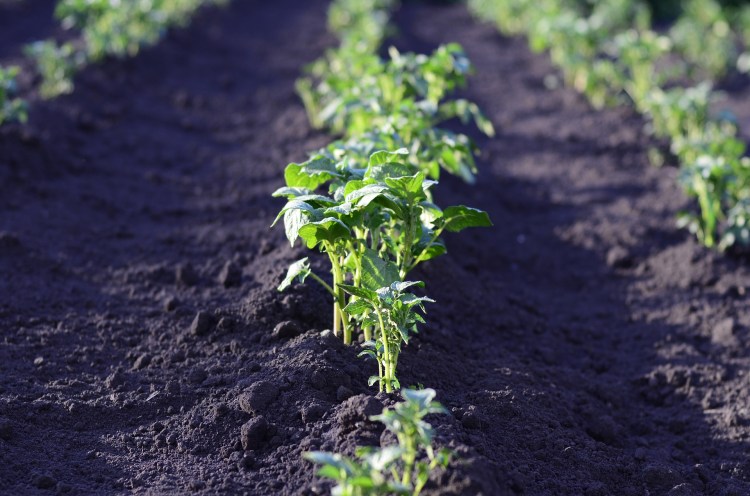

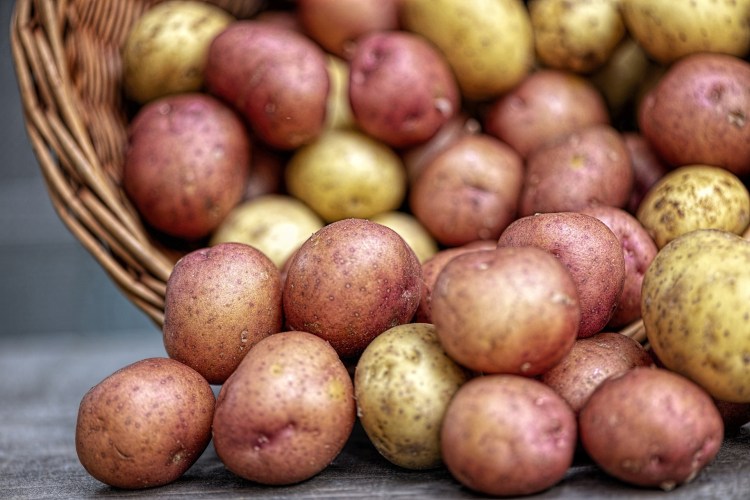
| Sow late February through to March and harvest from July through to September. Despite what many growers think, potatoes are relatively easy to grow; they require a little more preparation than the others already listed. I think the best results for this particular vegetable are in bags or containers, although other gardeners swear by direct-to-ground sowing and growing. The secret to success is covering the shoots to encourage healthier growth with soil or compost soil and water well. They love water. When the foliage dies off, as it turns yellow and brown, dig out your potatoes or empty your bag and scrabble around for your spuds! |
| 8 – Broad Beans |


| Sow November through to March and Harvest from June onwards. Sow in small pots or containers first indoors around November or directly to the ground in February. Stake as required to encourage growth and keep well watered. Pinch the tops around two and a half to three feet in height. This practice is important as it ensures continuous development and crop production, providing a steady supply of fresh produce and maximizing the use of the growing season. It also helps to reduce pest problems. |
| 9 – Onions |


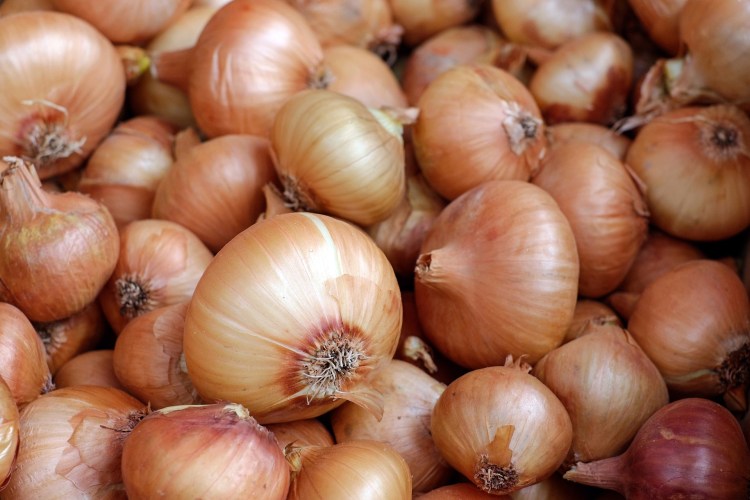
| Sow indoors later in February or directly to ground from March to April, and harvest crops from July through September. Mostly an easy-maintained vegetable to grow – for best results – plant in sets – quicker than seeds. Onions appreciate well-drained compost-rich soils and some decent sun. Only water if the weather is dry, as in don’t overwater – onions don’t like excess watering. Harvest the crop when the leaves turn yellow and die off. If the onions start to flower, pick these out to encourage the growth of the bulbs. There are alternative options to conventional onions found in Spring Onions. |
| 10 – Garlic |
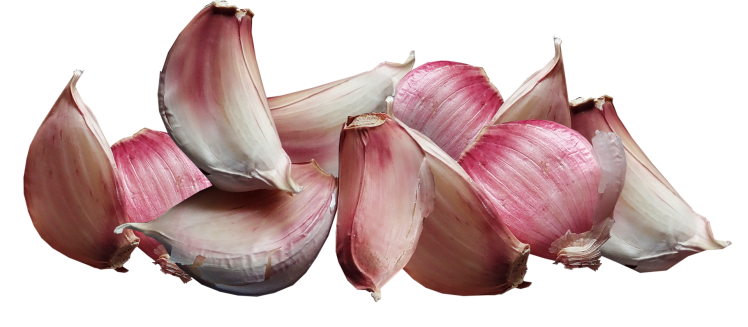
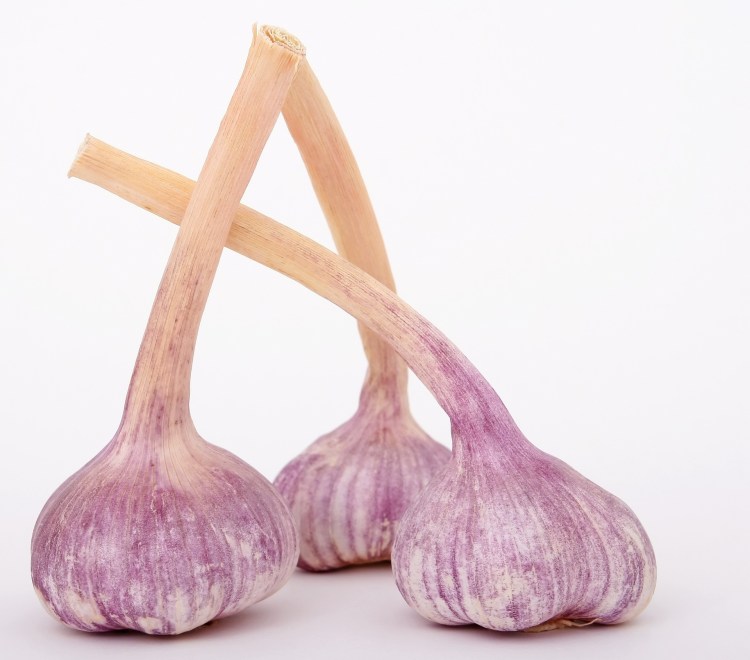

| Sow from October through to February and harvest between June to August. Garlic loves well-drained soil – they are low maintenance as a vegetable crop. Sow the cloves in the autumn months and then leave. Like onions, when the foliages start to yellow off, turn brown and die, this is the harvest time, usually in the summer months from the start to the later part of the season. |
| 11 – Carrots |


| Sow seed from February to July and harvest from May to October/November [pending variety]. Carrots, with their straightforward growing process, are a perfect choice for novice gardeners. Despite their potential growth lengths, carrots are forgiving and can thrive with the right preparation and care. Many gardeners find success with compost soil mixed with sand, ensuring fluffy and light growth and avoiding stunted or deformed carrots. I personally prefer a nicely rich and stone-free compost soil—finely graded. You could buy your own bagged graded compost and plant directly, mixing in perhaps 30% sand to loosen the compost’s heaviness. Still, a finely graded and sieved compost will do the job just as nicely, or you can ensure you sieve your purchased compost. Wonky carrots result from the root hitting a solid and then forking or deciding to offshoot in another direction for the remainder of the growth. Once the carrots start to grow, thin the seedlings – they do not like crowding or sharing with weeds. Thinning enables a thicker root crop. It’s also crucial to maintain balanced watering, as this ensures pests are kept to a minimum. However, you might consider netting during their growing times. For those seeking a creative touch, consider growing carrots in containers, pots, buckets, or even grow bags. Some gardeners have even found success with beer caskets as unique growing vessels. |
| 12 – Kale |

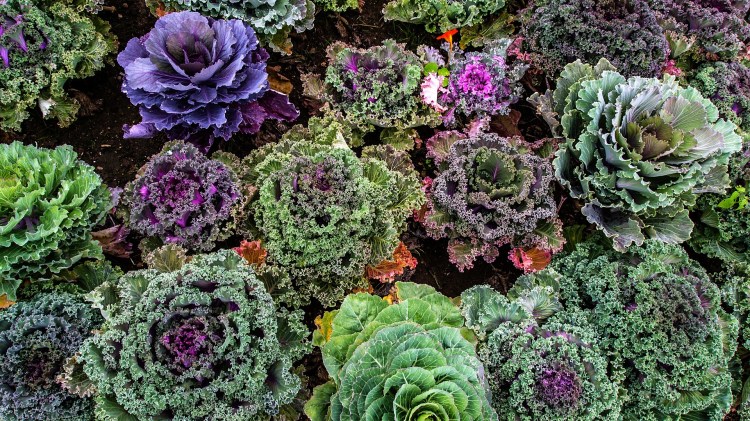
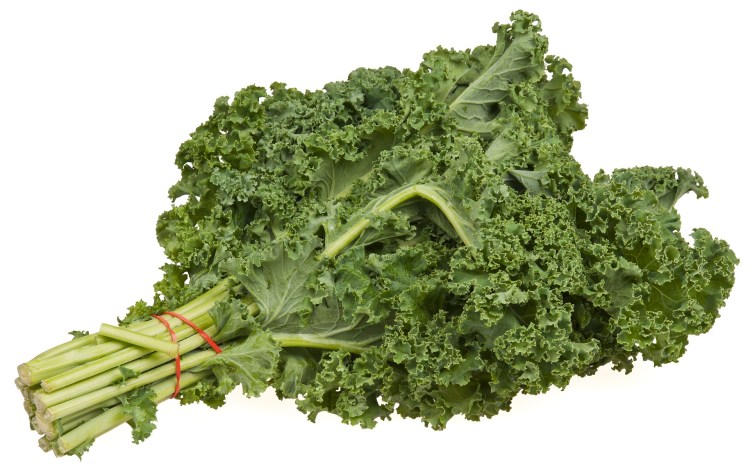
| Sow indoors from March to June, plant seedlings between April and June, and harvest fruit from September through March. It can be grown in pots, containers, raised beds, directly to the ground, and Grow bags. The biggest problem with this vegetable is predatory behaviour, especially from pigeons and blackbirds – so protect with netting. Young Kale is lovely, whilst older Kale is quite woody. Sprouting is excellent in salads. |
 Earthly Comforts
so colourful…
LikeLiked by 1 person
These are all good ideas. I love fresh veggies. Thanks
LikeLiked by 1 person
Yes fresh veg is great and good for the mind, body and soul all. We have had a few more veg on the diet this last month.
LikeLiked by 1 person
Very cool. I wish I had the energy and space to grow them.
LikeLiked by 1 person
Well all current credit goes to Suze for the growing and cultivation in fairness now. I am on four days a month max at the allotment and when l am able to get there now l am usually performing in a utility mode.
Suze is going there early mornings to open up and water and then later evenings to pick.
This coming winter/and new season 2025 will be a very different set of curves l feel.
LikeLiked by 1 person
Kudos to Suze. It’s a tough duty.
LikeLiked by 1 person
It is indeed Sadje, and yes huge kudos to Suze 🙂
LikeLiked by 1 person
💓💕💞
LikeLiked by 1 person