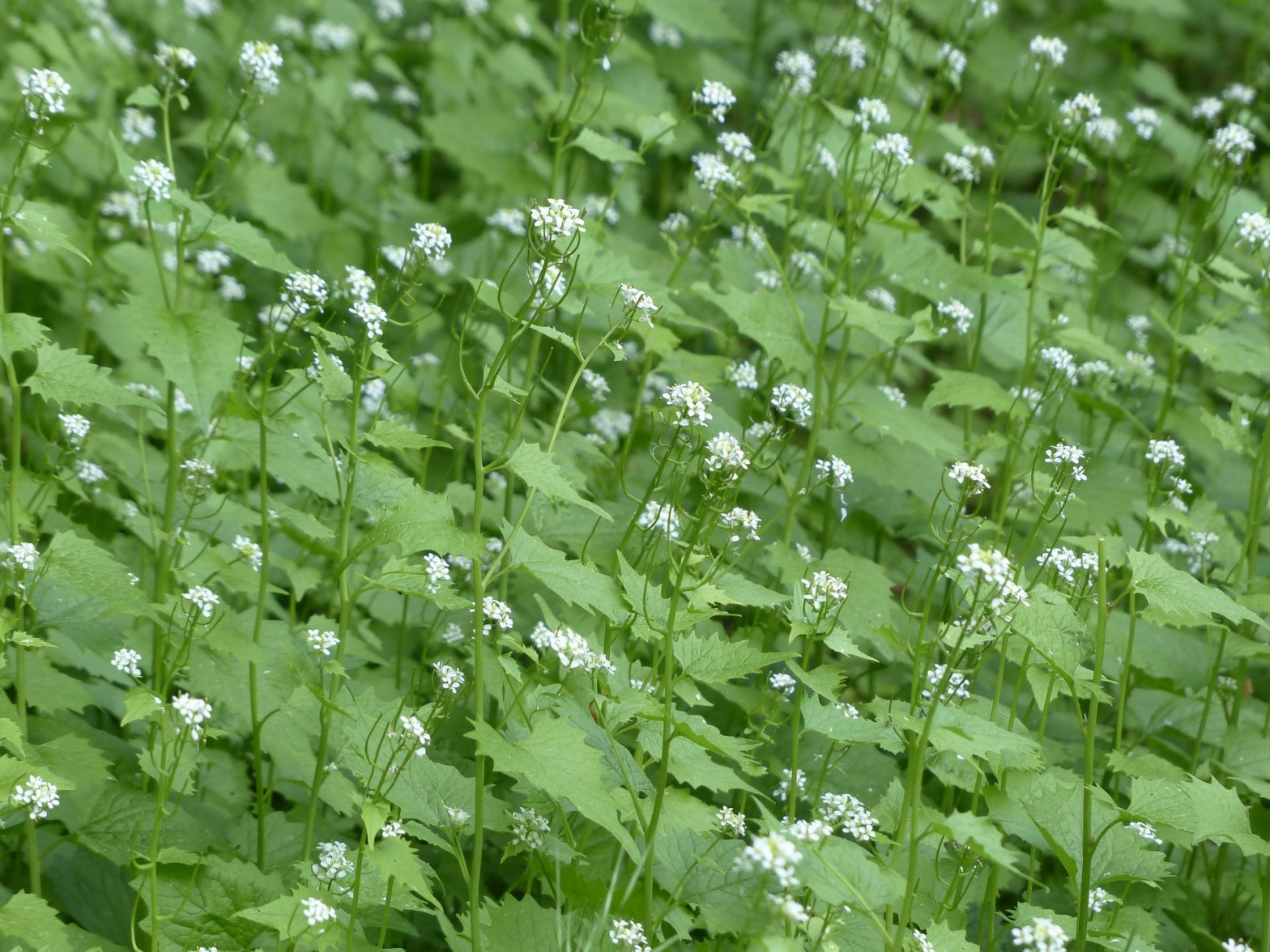
Garlic Mustard (Alliaria petiolata), a wildflower, thrives in uncultivated, rugged terrain, showcasing nature’s resilience. Micheline Ryckman’s Earthly Comforts design collection is inspired by such natural beauty.
Monthly Archives: Aug 2024
Hemp Agrimony (Eupatorium cannabinum): A Native UK Wildflower with Diverse Medicinal Uses

Hemp Agrimony, also known as Eupatorium cannabinum, is a herbaceous perennial with beautiful pink clusters of flowers. It is native to the UK and is often used in medicines for various ailments. This plant attracts bees, butterflies, and birds, but is also prey for slugs and aphids. Additionally, its leaves are used to make rope.
Accelerate Composting Process: Hot Compost Technique

The composting process can take anywhere from 18 days to 15 months, depending on methods and materials used. To speed it up, frequent turnings, a base layer of sticks for drainage, hot water bottles, pipes for aeration, nitrogen-rich materials, smaller waste pieces, and larger compost piles are recommended.
Growing Dill: Tips for Planting and Companion Planting

Dill is a beneficial herb with a unique taste resembling celery and anise. It pairs well with brassicas, repelling pests. It can coexist with tomatoes temporarily but may inhibit their growth when mature. Dill also serves as a natural pest deterrent. Careful placement is essential due to its dual impact.
Companion Planting with Marigolds: Natural Pest Control and Garden Enhancement

Marigolds are wonderful flowers for your garden, acting as natural pest repellents and adding vibrant colors. They release chemicals to keep pests like nematodes, beetles, mosquitoes, and aphids at bay. You can even make your own insect spray from the petals. Marigolds also attract pollinators and benefit bug life, making them a charming and beneficial addition to your garden.
 Earthly Comforts