
| Companion planting, or buddy linking, if you wish, is an old practice among seasoned gardeners. The art of planting plants next to each other offers other plant perks—haha, it’s a bit like a friend with benefits! The companion can either repel or attract insects, so it’s a real mutual friendship. There are all sorts of ‘perks’ to the practice – but not everyone agrees with this practice – rocket scientists probably don’t. Still, hey, it’s not their garden, and it’s not their plants, herbs or vegetables. Hence, as they say, each is its own, and companion planting can offer diversity and colour variety. Trial and error are your best friends when you start. It doesn’t always work, and some plants can stunt the growth of another plant, let alone increase its harvesting yield! The secret to success is to ensure that you have more beneficial plants that attract more beneficial insects than bad ones. Beneficial Insects Bees Ladybugs Lacewings True Bugs Butterflies Ground Beetles Hover Flies Parasitic Wasps The insects above will feed on insects we don’t want. The likes of thymes, fennels, rosemary, dill, coriander, angelica, clover, yarrow, mints, borage, catnip, marshmallow and daisies, to name a few, are great for offering shaded protection, ground cover and also ideal spots for clutches of eggs to be laid. Now, companion planting, if you were to consider vegetables, flowers, herbs, and some weeds, is quite a complex game. Think of three chess games going on simultaneously on one board, and you might start to understand what we are looking at. So, if this is your first time planting this way, it might be easier to create more straightforwardly and not look at all categories together in one bed, pot, or in the ground. Herbs are great to start with. If you only think about attracting and repelling insects, it makes it slightly more manageable than thinking about higher yields, stunting growth, and the like. Because of the beauty of so many herbs, we can have in our gardens today, the wide varieties, it means that we can have plants that both repel and attract equally as much as allowing for fragrances and scents and good foliage covering. |
| The table below introduces a small range or popular herbs and displays the benefits to the planter. |



| Herb Benefits |
| Basil Basil and Tomato plants are supposedly perfect for each other. Basil also prefers the company of vegetables in comparison to other herbs. But it is also advantageous as a companion with potatoes, beets, cabbages, aubergine, peppers. If you plant marigolds and basil together or nearby to each other with a vegetable in between, the duo make a cracking pair for keeping pests away from them as well as each other. |
| Borage Plant alongside tomatoes, squash and strawberries. Can deter tomato worm |
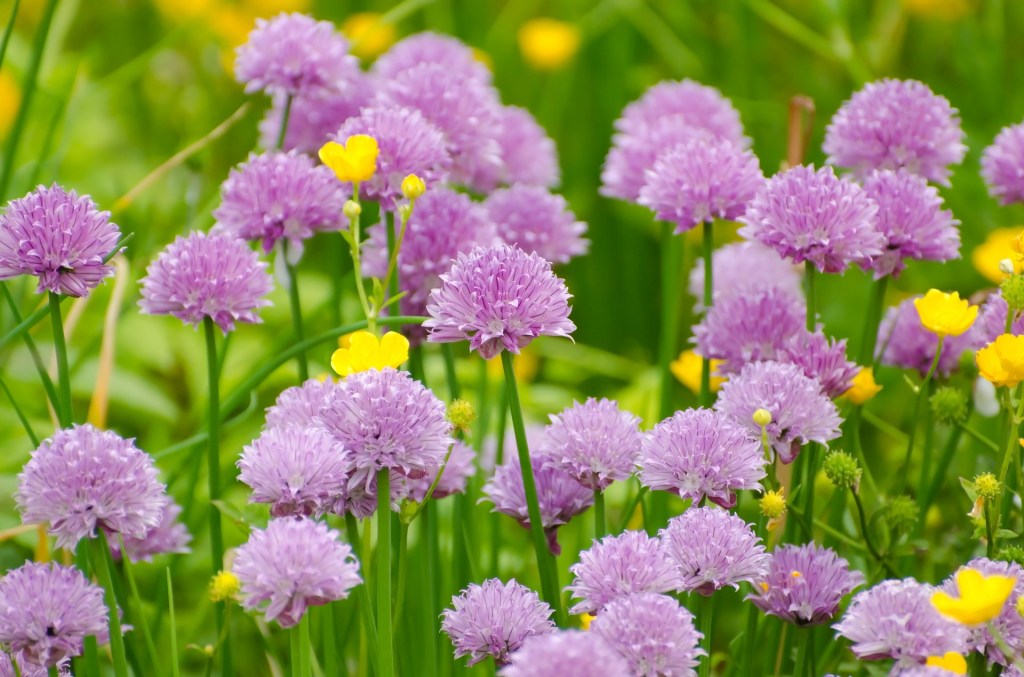
| Chives This herb does an awful amount of good for fruits, vegetables and flowers, especially roses. But if you want them to repel the notorious aphid and certain beetles, then plant them next to the likes of peas, cucumbers, lettuce and celery. Chives can also discourage diseases such as black spot. |
| Corriander Cilantro Great with tomotoes and spinach, basil, mint, lavender and dill. But keep away from Fennel. |
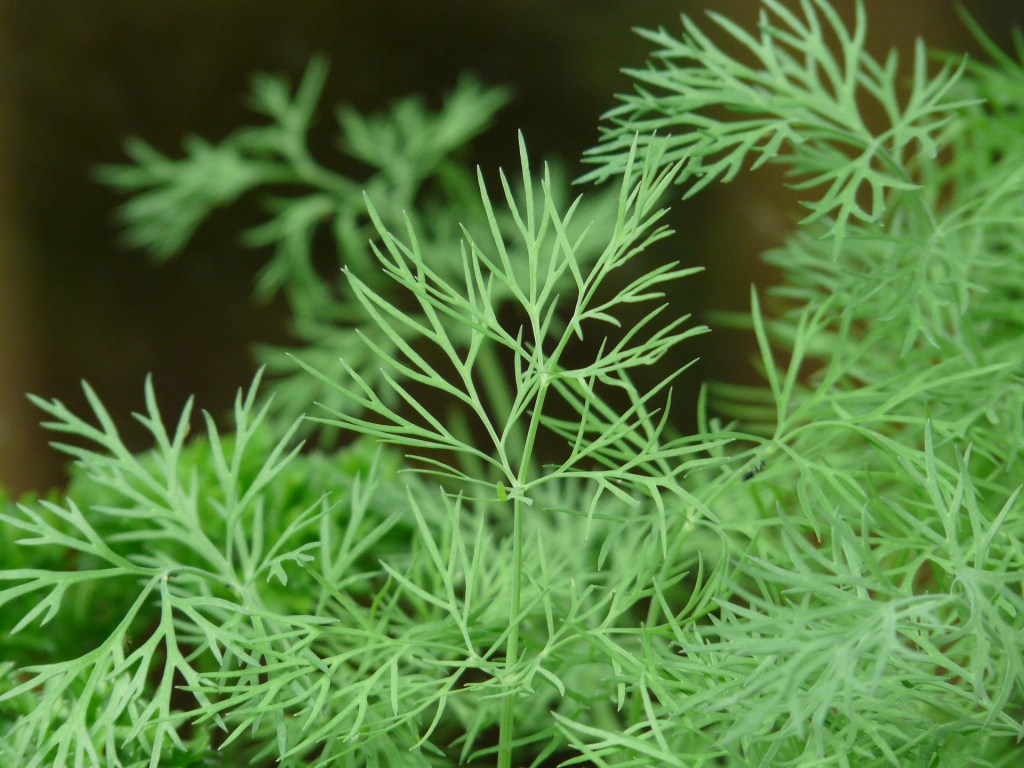
| Dill Great with the likes of carrots and cabbage. This herb is also a great attractor of insects to your plants, such as ladybugs, honey bees, wasps and butterflies. But other vegetables that will benefit are lettuce, cucumbers, corn, onions, and brassicas – but keep this herb away from peppers, potatoes and lavenders. |
| Garlic Garlic is superb to grow next to practically anything as the smell drives many pests away, but even deer and rabbits don’t like garlic. It’s also a great defence again mould and fungus. However, despite its vast benefits, do keep garlic away from asparagus, peas, beans, sage, and parsley. Garlic is very much a natural repellant to many pests |
| Marjoram A great companion with all vegetables. |
| Mint Mint does well and serves beneficially with cabbages and tomatoes. Always keep in mind the invasive properties of this plant. It’s greedy for space! Mint is excellent for driving many pests away equally and managing to allure the good ones. It serves cabbage, kale, radish, peas, Brussel sprouts, lettuce and peppers well, and it is also great next to carrots and onions as it can see off the flies. If mint is next to tomato, it will keep the aphids away. |
| Nasturtium A great companion with all vegetables and deter an assortment of pests. |
| Oregano Great with beans and broccoli. |
| Parsley Parsley is great as a companion alongside corn, asparagus and tomatoes. |
| Rosemary Plant near cabbages, beans, carrots and sage. |
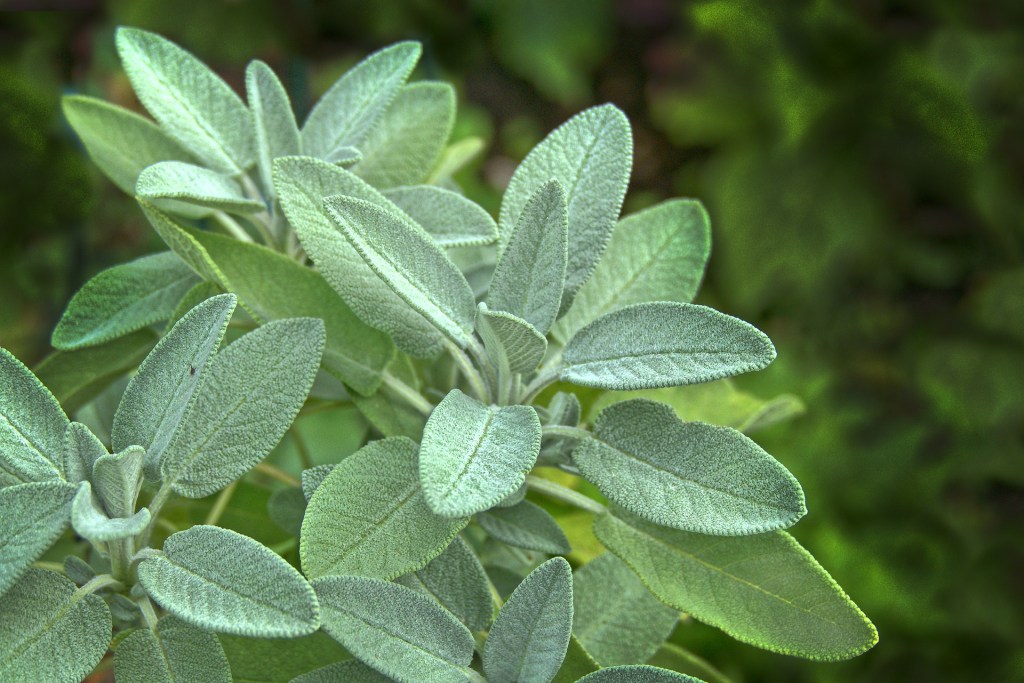
| Sage This herb loves vegetables and fruits but not so many other herbs unless it is Rosemary, as those two share a mutual friendship. Sage loves strawberries, carrots, tomatoes and cabbage. Keep away from cucumbers. |
| Taragon Loves most vegetables but especially loves aubergine. |
| Thyme Great with tomotoes and can deter the cabbage worm. |
 Earthly Comforts
I should imagine that companion planting works best with vegetables?
LikeLiked by 1 person
Hi Jaye, mostly veg but also flowers and herbs 🙂
LikeLike