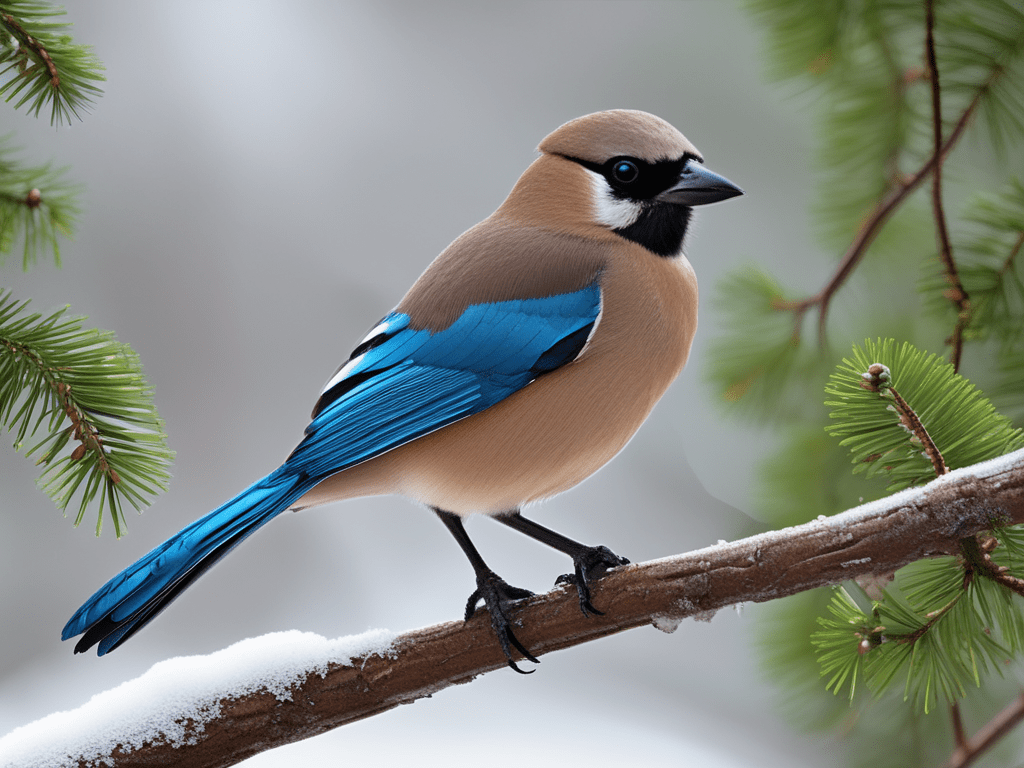
| Jay Garrulus glandarius |
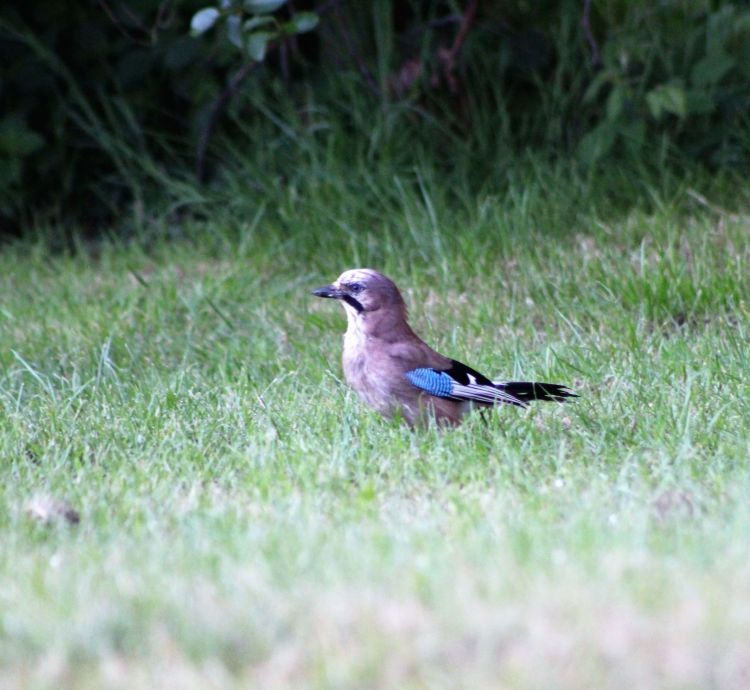
| Eurasian Jay Garrulus glandarius – Latin translation – ‘chattering and noisy’ and acorns |
| Eurasian Jay Garrulus glandarius – Latin translation – ‘chattering and noisy’ and acorns The Eurasian Jay, a bird of captivating beauty, has always held a special place in my heart. However, it is also one of the most challenging species to photograph. My collection of photographs of this stunning bird is limited, often overshadowed by missed opportunities. I find myself either too slow, too noisy, or too fast, resulting in more ‘ours’ than actual photographs. I am sometimes in the right place at the wrong time, with no camera, or in the right place with the right bit of kit but no show from Jay! I frequently saw the jay when I was out for my early morning walks during the spring and summer months. This somewhat shy but colourful woodland species was usually seen more as a fleeting glimpse of white rump and a flash of bright blue than an actual sighting. You can often hear their distinctive shrill if you don’t see them. However, I was, on occasion, lucky with the camera and the zoom and would catch sight of this beauty when it descended onto a branch, having been disturbed while feeding on the ground. Eurasian Jays are from the same family as Crows [Corvidae], but unlike them, they are much more challenging to see! They aren’t big birds, about the same size as other favourites of mine, like the Jackdaw and the Magpie. I have seen quite a few Jays around Sandwich. The first time I saw them here was in the churchyard of St Clements, foraging for acorns. Jays are notorious hoarders. They hide acorns in cracks and crevices in trees and bury them in the ground. It is not unheard of or unusual for the Jay to store away several thousand acorns in autumn, ready for retrieval during winter. I often see them skipping amongst the fallen leaves at the reserve in the quest for the holy treat of the day. This is an unsurprising habitat range for them as they favour woodlands, mature forests or oak woods. On occasion [not often admittedly], I have also seen them in my garden in Willow, feeding either on the bird table or the ground and taking the occasional drink from the water feature. If it’s not acorns, Jay’s diet is quite versatile, which has come about due to so much of its natural habitat being damaged by new builds. They are not averse to mixing the dietary requirements up and will feast upon other nuts, seeds and insects, worms, grubs and slugs, newts and tiny frogs, small rodents like mice and shrews and even young birds and eggs. The Eurasian Jay is a creature of remarkable intelligence, with an excellent memory that is put to the test when it comes to remembering the countless acorns it has hidden away. This level of intelligence is a testament to the adaptability and survival skills of this fascinating bird. Referred to by various names such as the Jay, Common Jay, and Eurasian Jay, this bird is also known as the Acorn Jay, Blue Jay, or the Jay Pie. These names reflect the unique characteristics and adaptability of this species, making it a subject of endless fascination. Jays are paired for life with their partners, work together during nest building, and are involved in the joint rearing of the young. Clutches of 4 – 6 eggs are not uncommon. The incubation period is between 16 – 19 days. The Jay nest is a rather scraggly affair constructed in shrubs or trees from twigs, roots, mud, and feathers down or horsehair for the inside lining. The chicks are fully fledged between the 25 and the 30-day mark, by which time they can start to fly. The Jay is a mimic when copying other bird calls and sounds. |


 Earthly Comforts
Stunningly beautiful…
LikeLiked by 1 person