| Banana |
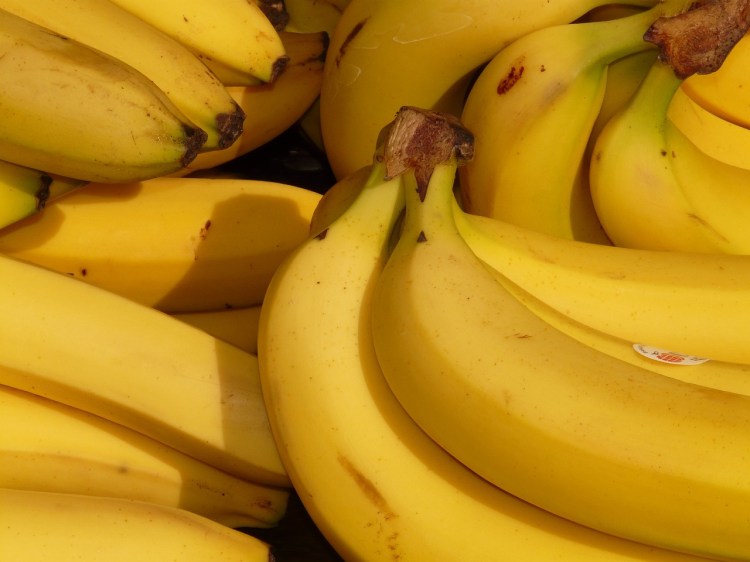
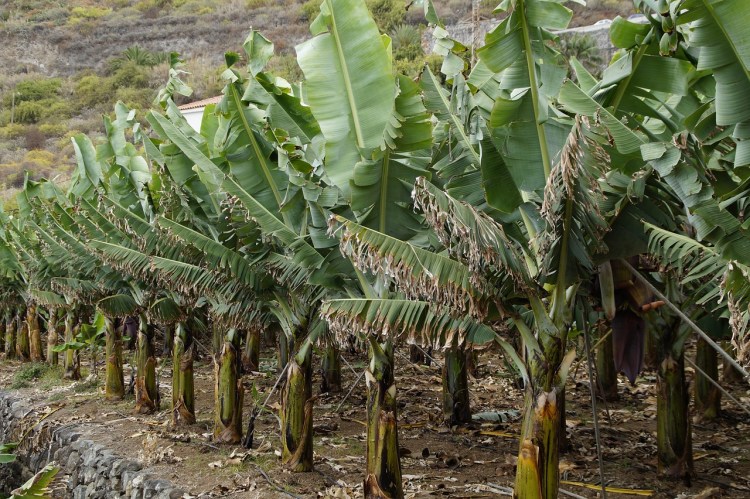

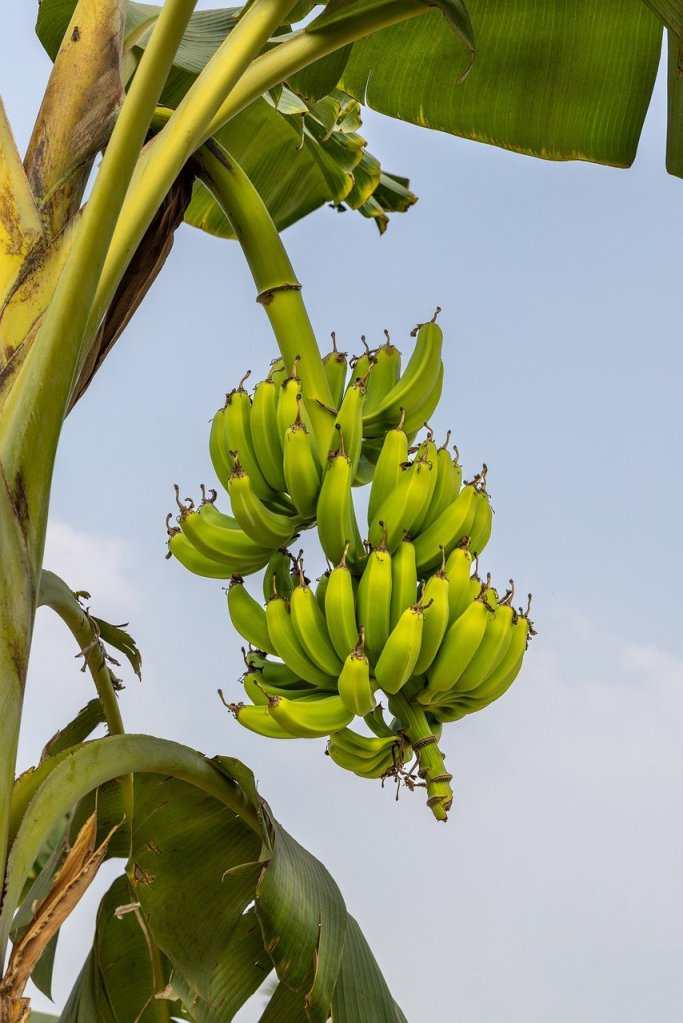
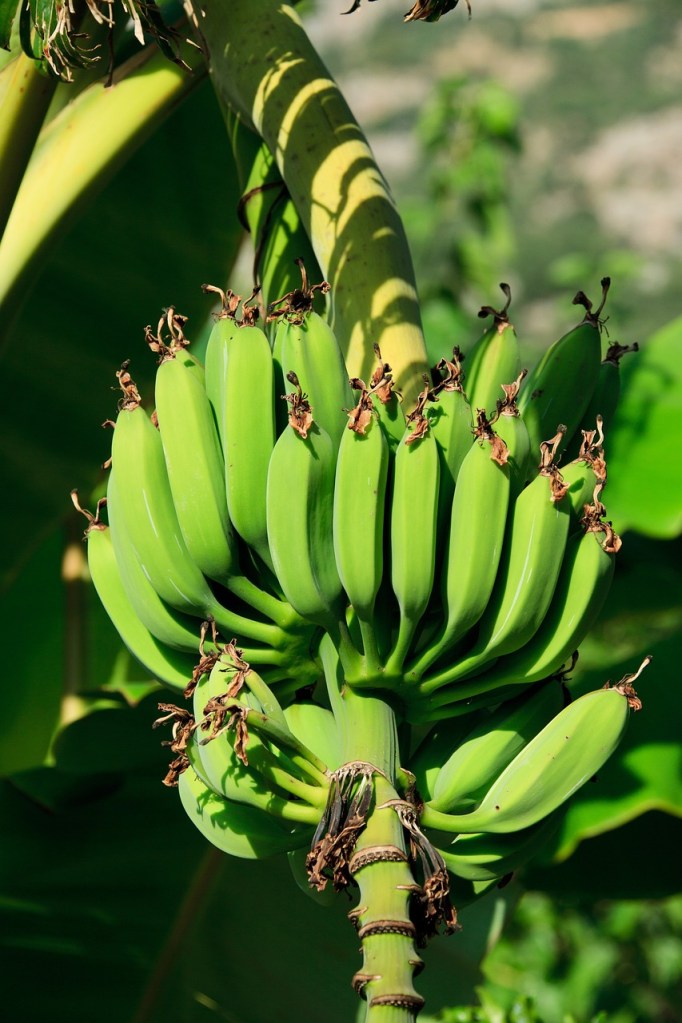
| The banana berry may have been the first fruit discovered on Earth and was most likely found to be edible by humans observing animals. It has been around for ten thousand years, with the original bananas being grown and domesticated in New Guinea, the Philippines, and Indonesia. Bananas have played a significant role in the diets and cultures of these regions, and their cultivation and trade have shaped the history and economies of many tropical countries. To the novice, all bananas may be the same, but the truth is that there are well over a thousand varieties of this fruit. You would be forgiven for not knowing this fact as it is usually only the case that commercially available to the buyer are one or two varieties only. The most popular variety is the Cavendish, which has a rich taste, ease of production, and ability to transport. Other more popular varieties are the Plantain, Red, Lady Finger, Blue Java, Pisang, and Burro, to name a few. Each of these varieties has its own unique characteristics, such as taste, texture, and colour, making them suitable for different culinary uses. Bananas grow in many countries worldwide—a hundred-plus might surprise you, too. Countries with tropical climates and rainforests are typical; examples are Brazil, Angola, Guatemala, Ecuador, Indonesia, China, and the Philippines. Despite what people believe, bananas are not grown on trees either. While they might visually resemble trees, the plant is a giant perennial herb! This makes things a bit more confusing; while bananas are classed as fruits, they are not herbs but berries from herbs. They are related to the orchid and the lily! The banana tree trunk isn’t wood in the classic sense either; the trunks are made up of tightly bound leaves. Once the main crop of bananas is harvested, the plant dies. It takes about nine months from the pup stage of life to grow and develop into a crop. From the time the berry has been harvested, it can take as little as two weeks to go from underripe to the bright yellow stage. During this time, the plant requires specific conditions, such as a warm climate and regular watering, to ensure optimal growth and fruit production. I briefly discussed the confusion about the banana. It’s a perennial herb and a plant but not a typical tree that produces a fruit that is not an herb but a berry. Bananas, like pumpkins, cucumbers, and avocados, are all botanical berries. This unique classification is due to the fact that the fruit develops from a single ovary and contains seeds. Adding more confusion to the mix is that our bananas are not naturally grown but manufactured! Natural bananas like those of the Musa species balbisiana and acuminata are wild species; the bananas we eat are cross-bred hybrids from these. This process of hybridization, while it has led to the delicious bananas we enjoy today, has also raised concerns about the environmental impact of banana cultivation, particularly in regions where large-scale monoculture is practiced. Bananas are often a quick-impact food. They are tasty and full of nutrition, and they are a favourite amongst athletes for the quick energy boost they can provide. Bananas are potassium and magnesium-rich. Bananas are not just delicious, they’re also a nutritional powerhouse. They’re packed with vitamins A, B6, and C, and are a great source of potassium and magnesium. Plus, they’re free from sodium, cholesterol, unhealthy fats, and processed sugars. Incorporating bananas into your diet can nourish your heart and stomach, boost your energy levels, improve your sleep, hydrate your body, and help maintain a healthy body weight. Banana peels are also an edible part of the fruit that people often overlook, but they can be added to the dietary requirements. You could stir fry sliced peels [always remember to wash the skin thoroughly to ensure it is chemical-free]. They can be blended, baked, fried, roasted and sugared to act as candy. Brown-skinned bananas are also suitable for us and shouldn’t be quickly discarded, provided they are not fly-infected or smelly. They can be frozen, used for smoothies or pancakes, and included in various recipes. All it takes is a little bit of additional research to discover the many delicious and nutritious ways to enjoy bananas. Also, remember that the peel can either be composted or dug into a trench fertiliser system in your garden, but equally, if not trenched, you can place them into a hole beneath new to plant plants. They are a valuable food source for those with wormeries in either peel or brown-skinned complete fruit form. Worms love the mushy goodness. Due to the levels of potassium and phosphorous in the fruit peels, if dug into or placed around the roses’ baseline, they will improve the quality of life for these plants and increase the blossom yield. If you thought the above was a lot of additional information on the banana, try these out for size, too! Banana peels used to be cooled by ancient races to use as a cold compress during fever. In the later 1800s, when the banana was introduced to the Americans, they ate them with a knife and a fork. Tarantulas use banana leaves as hidey holes. A little bit of the peel can be used to polish up silver wares, and the insides can be used to gloss up the leaves of your house plants! Finally, if you have a mosquito bite or a bug wound, you can also rub the peel on the infected area to soothe the itch. These are just a few examples of the many creative and practical uses of bananas. Not bad for a berry fruit from a herb, eh? |
 Earthly Comforts
One thought on “Banana Revealed: Origins, Nutritional Value, and Surprising Facts”