As a child, I fondly recall the abundance of docks near nettles. However, today, it seems as though the two have drifted apart over the years, evoking a sense of nostalgia for the past woodland environment.
If I thought I was the only one noticing these changes, I might have questioned my sanity. However, a few years ago, I came across an article that reassured me that my observations were not unique. Many others, like me, have noticed the changing woodland and the subsequent shift in wildlife companionship.
Over the years, I have, as one does, managed to gather some either helpful or useless facts on the dock leaf pending. For instance, did you know that dock leaves can be used to soothe nettle stings? Of course, who is reading?
Broad-leaved dock [Rumex obtusfolius] and Curled dock [Rumex crispus]
Dock leaves are famously known for their salve properties and taking the itch from a nettle sting. If stung by a nettle, tear off a portion of the dock leaf, crush it between your fingers and apply to the affected area or simply rub the leaf directly upon the itch.
New fresh young leaves can be eaten and are great in salads or cooked into a soup or even a stir fry. They can even be added to make pesto. The young leaves are rich in vitamin C and assorted minerals. However, like most weeds, the keyword is moderation. Please don’t overdo it.
Docks are a much loved weed by butterflies and especially used as larval food plants. but equally other insects enjoy the benefits of docks too including moths and beetles.
The dock makes for a great addition to wildlife gardens.
Docks can be challenging to control, especially if left unattended due to their deep and branched taproot. If left uncollected or swept up, the plant produces many seeds which can remain in the soil for many years.
Docks are a much-loved weed by butterflies and are primarily used as larval food plants. But equally, other insects enjoy the benefits of docks, too, including moths and beetles.
Docks can and do tolerate poor quality soil and will thrive in it.
Our climate changes have altered the way dock leaves used to be distributed Jaye. They used to be next to nettles but now they are found up to a dozen feet away.

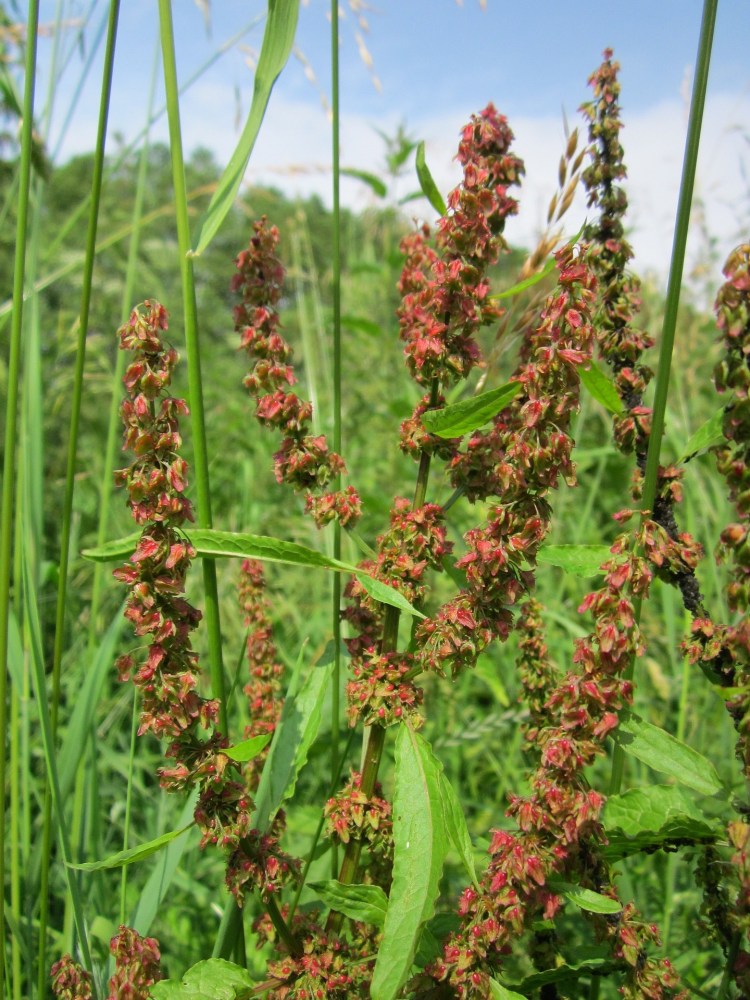
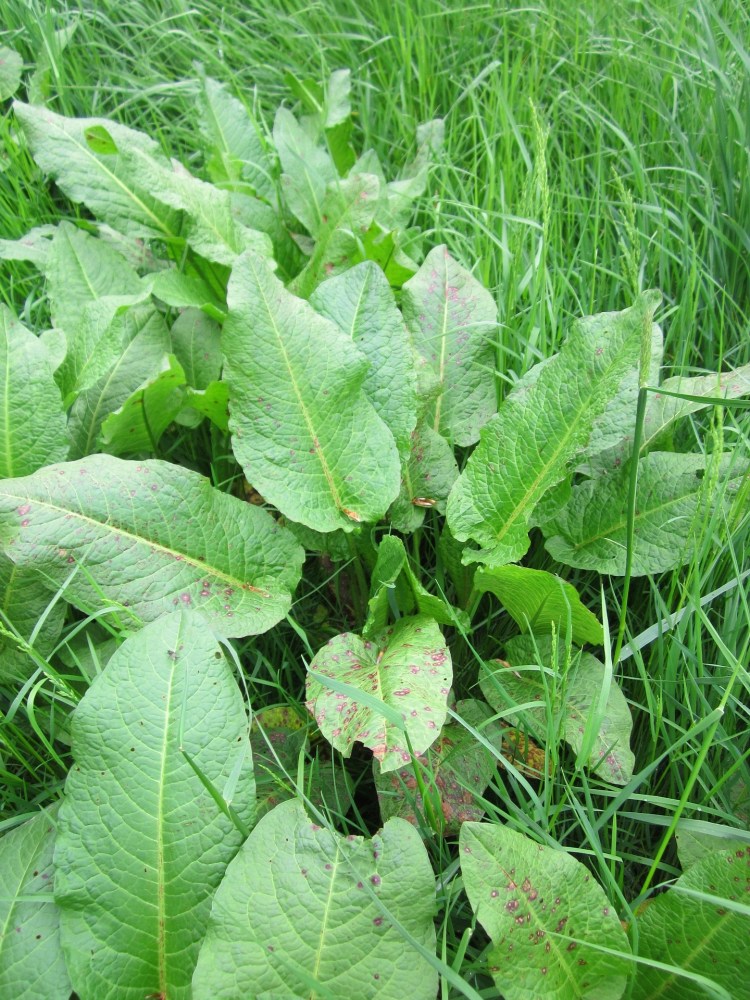
 Earthly Comforts
I grew up believing that I could always find a Dock plant growing near nettles, but the last time I got stung, I couldn’t find a Dock plant anywhere!
LikeLiked by 1 person
Our climate changes have altered the way dock leaves used to be distributed Jaye. They used to be next to nettles but now they are found up to a dozen feet away.
LikeLiked by 1 person
This world gets stranger every day, Rory…
LikeLiked by 1 person
I hear you Jaye and l agree 🙂
LikeLike