| The opinions shared here are based upon my own experiences working with compost and may not be shared by all. Are Slugs in my Compost a Problem? |
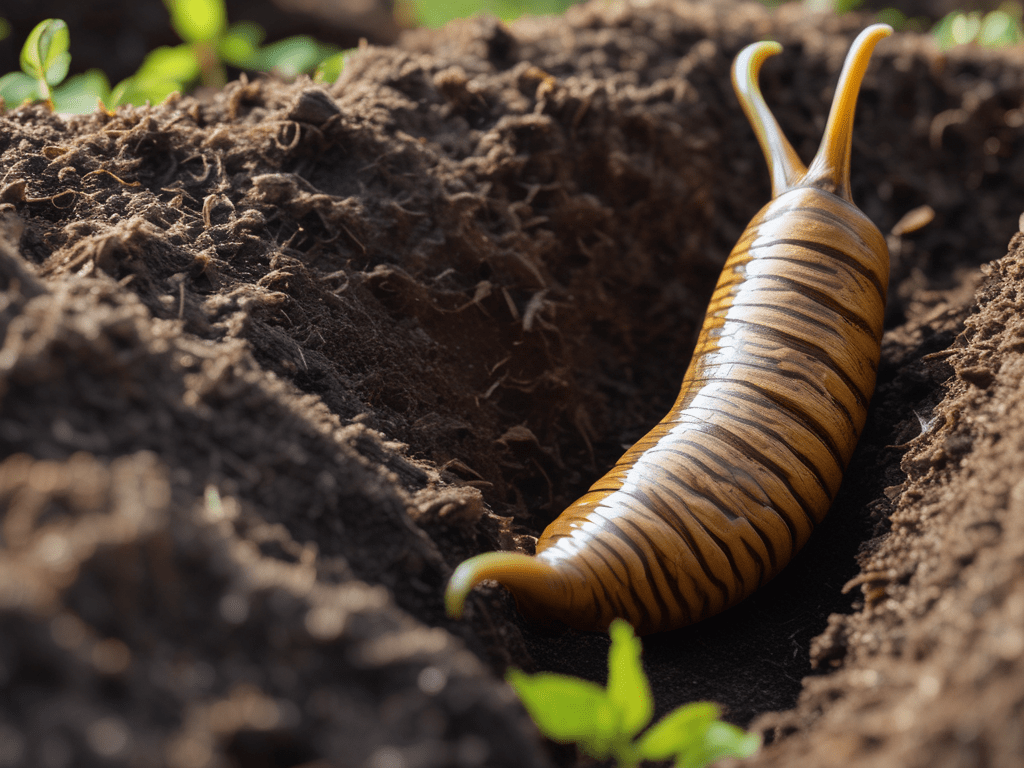
| I recently spoke to a gardener who wanted to know if she should work through her compost pile and remove all the slugs. At the time of the question, she had a Leopard slug on a piece of wood and wanted to know if they were okay to keep or if she should fling it away from her garden. Compost piles attract insects and soft-bodied molluscs/molluscs, such as slugs, snails, and other crawlies and bugs. It is down to an individual’s interpretation of the good and evil. Efficient management of compost piles is key. As an allotmenteer, I keep my compost heaps away from the house and ensure I turn them efficiently to avoid attracting the wrong types of pests. Remember, in your compost pile, a variety of bugs are part of a natural balance. Red worms, isopods, slugs, snails, and soldier flies are generally considered to be the beneficial bugs. On the other hand, ants, houseflies, bluebottles, spiders, and the family of pedes, roaches, and small rodents are often seen as less desirable. But it’s all about balance and considering the compost’s location. It’s one thing if your heaps are in a built-up suburban neighbourhood and another if they are sited down on waste grounds away from prying eyes and discerning noses. If you’re managing compost piles at home, I strongly recommend maintaining a cleaner heap. This will act as a deterrent for pests and unwanted visitors. Rats and mice, for instance, dislike frequent disturbances, so regular turning of the pile or heap can help keep them at bay. If you want to avoid flies and the like: Make sure kitchen scraps are buried in the mixture’s middle. Keep a heap dry and wet, which can encourage vermin and pests. Don’t try to decompose meat or dairy products in a cold compost pile, as this will most assuredly attract the wrong type of visitor. However, back to the original question – are slugs good or bad in the compost piles? Understanding the role of slugs in compost piles is crucial. They are decomposers, breaking down organics within the pile, which is hugely beneficial. Slug eggs are usually eaten by beetles, ants and birds, so even if you have them in a finished compost mixture, there is a good chance that the eggs will be consumed. Most often, slugs and snails who prefer dusk and dark feeding will forage around the compost heap at night. Also, not all slugs are interested in plants. The Leopard slugs, for example, are a predatory slug species that eat other slugs but will also consume rotting vegetation, cat and dog food left out, as well as their poop at a push, they will consume plants, but like sharks and humans, it’s not their preferred eating. Some slugs damage gardens and allotments, and finding methods for dealing with their habits can prove challenging. But I will address that another time. If you find slugs in your garden and you keep a compost heap, I advise you to throw them into the heap; they will thank you for that introduction and stay in the compost pile. |
 Earthly Comforts
One thought on “The Role of Slugs in Compost Piles: Beneficial Decomposers or Unwanted Pests?”