
| The Wildlifer |
| Moorhen, Common Gallinula chloropus |
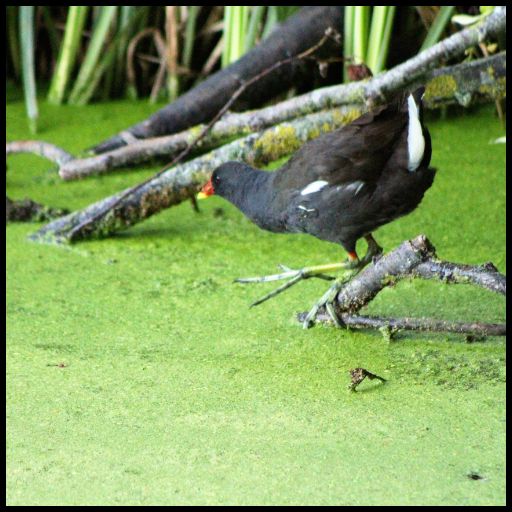


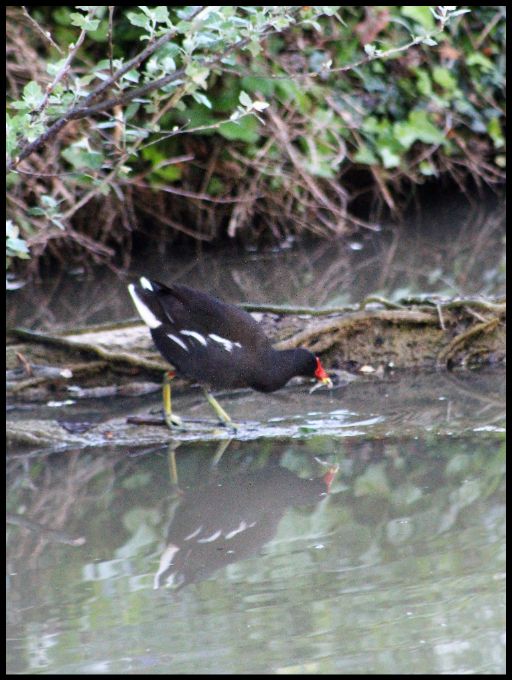
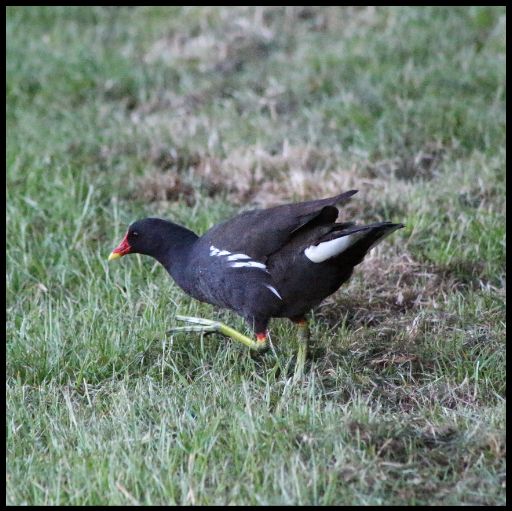
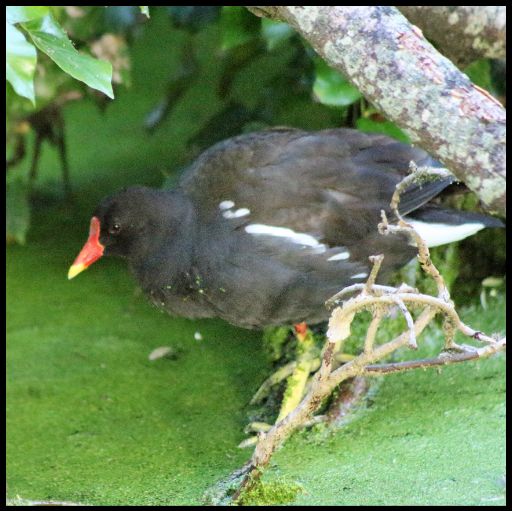
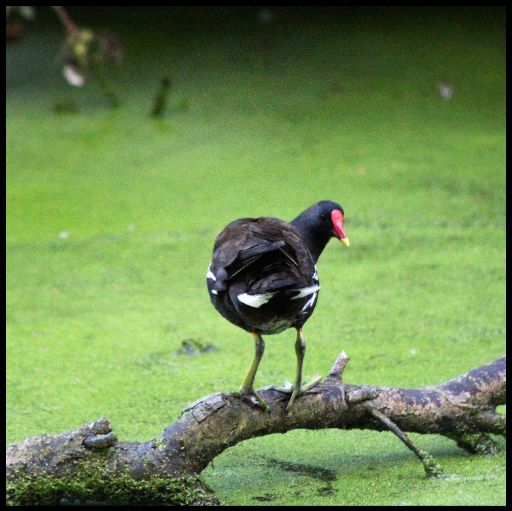
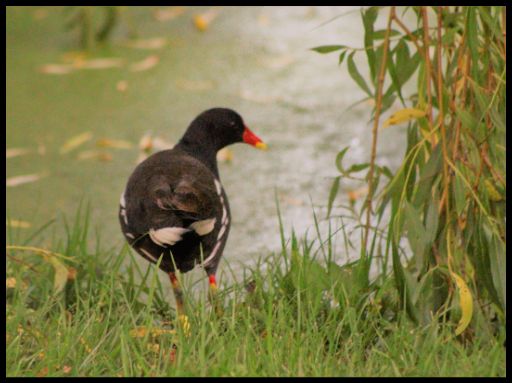

| Common Moorhens in a variety of poses. |
| Like most towns, Sandwich has its fair share of avian species – to the layperson – birds. Not all towns have ducks and moorhens, though. Sandwich, however, does because there is quite a bit of water here. It has the River Stour, which runs out to sea, but the waters run throughout the countryside, with many smaller tributaries coming off the mainland. Sandwich also has two smaller streams that run around the town: Delf and Guestling. Then, finally, we also have a series of smaller canals that accompany three-quarters of the Rampart’s circular walk. There is a fair amount of surplus water, including the Gazen Salts Nature Reserve ponds. Among the various visiting birds in Sandwich, the moorhen stands out with its unique characteristics and charming personality. These birds, along with the ducks, have always fascinated me, and I used to capture their beauty through my camera lens during my walks around the town. Moorhens, with their blackish hue, may seem unremarkable from a distance. However, a closer look reveals a vibrant palette of colors-red beaks with a yellow tip, dark brown wings and back, white flank stripes, greenish legs, and a blueish underbelly. These unique features make them a captivating sight in any natural setting. Despite their preference for still or slow-moving waters with abundant vegetation, moorhens display remarkable adaptability. They can be found in a variety of habitats, from wetlands and ponds to grasslands and farmland. They even thrive in urban and suburban environments, a testament to their resilience and ability to coexist with humans. Many houses in Sandwich that back onto the Delf or the Guestling and the Stour have both visiting and nesting moorhens at different times of the year. Their lifespan is between two to three years, although there are records of much older lived birds, and twelve years and higher isn’t uncommon. However, it will depend on their environment and the amount of predation present. They are a much-loved food source for foxes, cats, and even some larger bird species, while chicks and eggs can fall victim to weasels, stoats, rats, crows, magpies, and gulls. Their opportunistic omnivore diet consists of water plants, grasses, seeds, berries, fruit, worms, snails, frogs, small fish, and occasionally small rodents. They will forage for food on, under and out of the water. Fascinating facts of consideration and interest regarding the moorhen: Moorhens are pretty agile, and it’s not uncommon for people to see them nesting in trees. Unlike the coot, moorhens spend considerable time outside water foraging, feeding, and socialising and can be found in large gregarious groups outside the breeding season. Their strong legs and long toes allow them to grip uneven surfaces and tree trunks easily. They are not coots, and the two species have a considerable difference. The former is predominantly blackish with more yellowish legs, a white beak and forehead, and quite a large species, whilst the moorhen has more colour on the beak and general body. How orange russet the beak is significant to the bird’s overall health and attractiveness. So the brighter the beak with the distinctive red and yellow pointing is a sign that the bird is very healthy. Nests are built from dead vegetation and sited on floating plants or near river water. During the breeding season, moorhens engage in interesting social behaviors. They are known for their promiscuity, often participating in ‘husband-swapping’ parties. Female moorhens prefer plump and petite males, who help construct the nest and aggressively defend the clutch. While they can mate for life, they often live in small groups of pairs. It’s not just the mating that can be pretty adventurous, but so can the egg-swapping or nest coupling. Moorhens have, at times, a tendency to place their eggs into other nests. If the season is long, moorhens can have two to three clutches per year. Moorhen chicks aren’t prone to leaving the nest quickly and will help rear, protect and bond with their parent’s new clutches. They can be anxious birds and prone to flight. If disturbed, they will scurry along to vegetation to hide. Their actual flight could be better, let alone impressive. They can fly but only for shorter bursts, which appears to be a struggle. They swim well. Moorhens are distributed well throughout England, Wales and Ireland but are relatively scarce in the Scottish uplands and highlands. They can be seen, however, all year from January through to December. They can be seen worldwide and are also known by alternative names, including – skitty coot, marsh hen, moor bird, water hen, swamphen and common gallinule. Clutch sizes can vary between two and seven eggs. The incubation period is just over three weeks, but it can be up to eight weeks from birth to fledging. Sometimes, the moorhen repeatedly displays the white bottom plumage and tail flick. This signals to predators that the moorhen is aware it is being watched and is ready to defend the nest or take flight and warn all the other birds in the vicinity. |
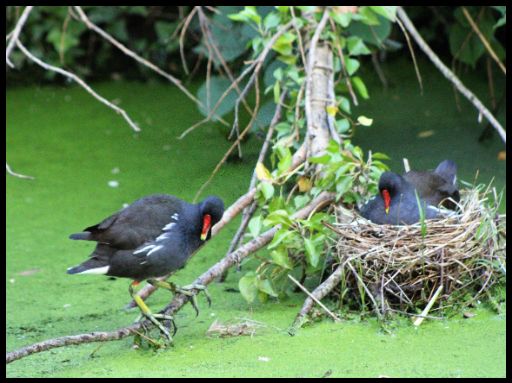
Changing the incubation duty 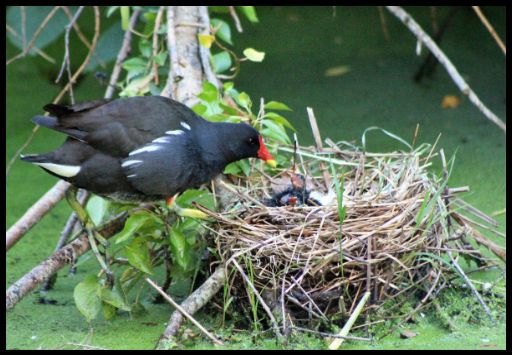
Checking the clutch 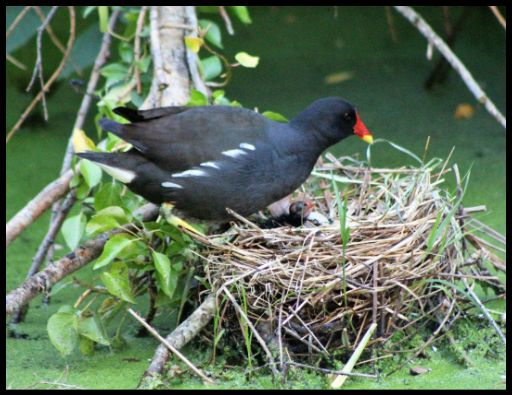
Checking the clutch 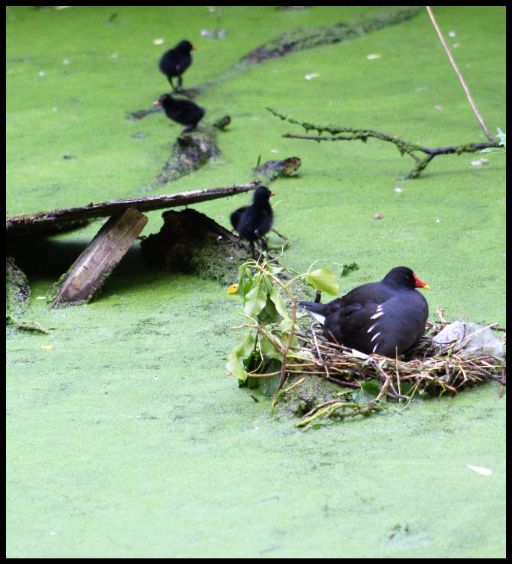
Young chicks exploring 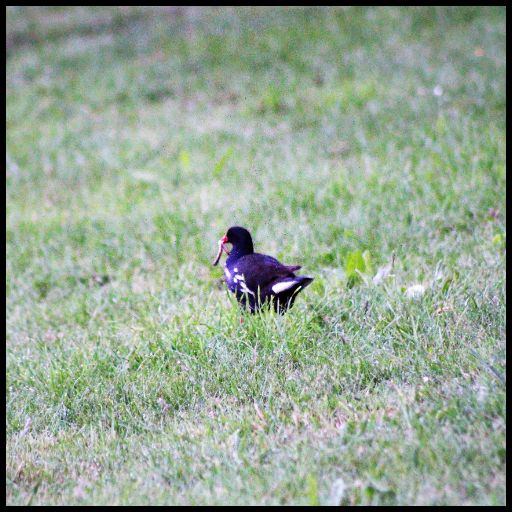
Foraging for worms 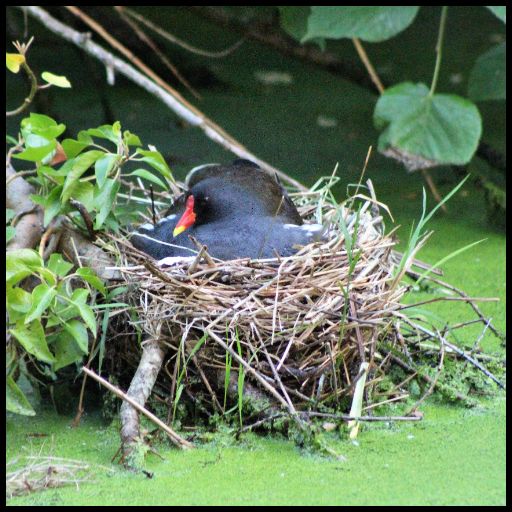
Keeping eggs warm 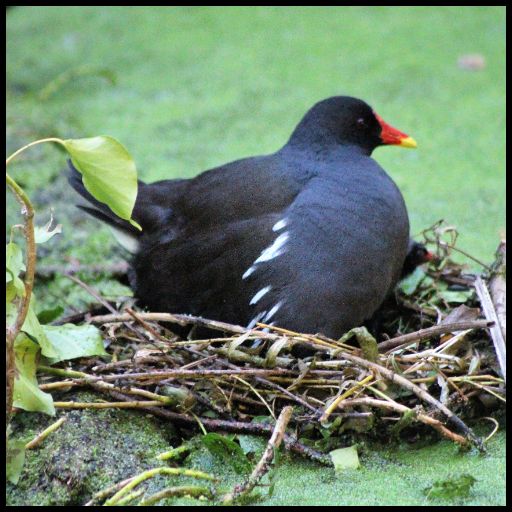
Fluffing 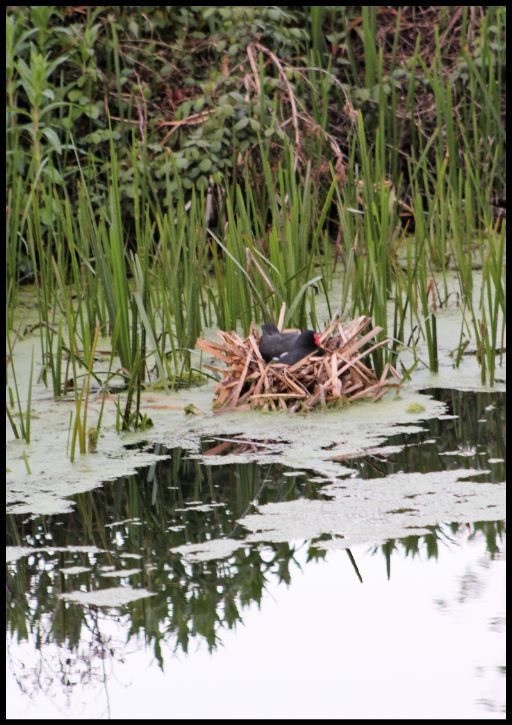
Floating Nest 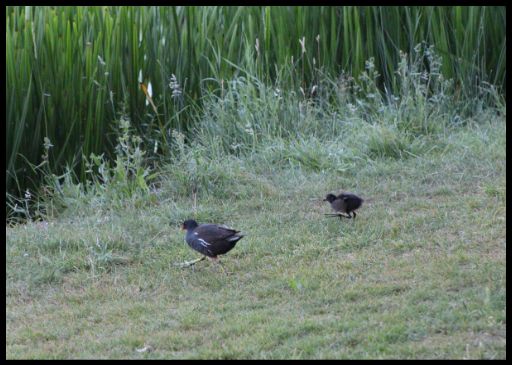
Moorhen and chick 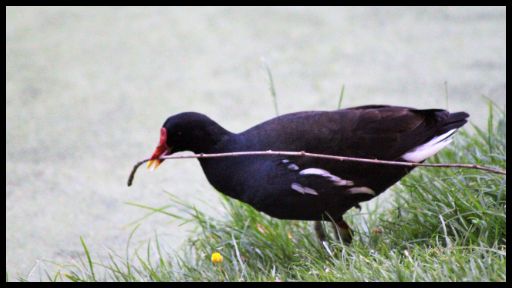
Nest building 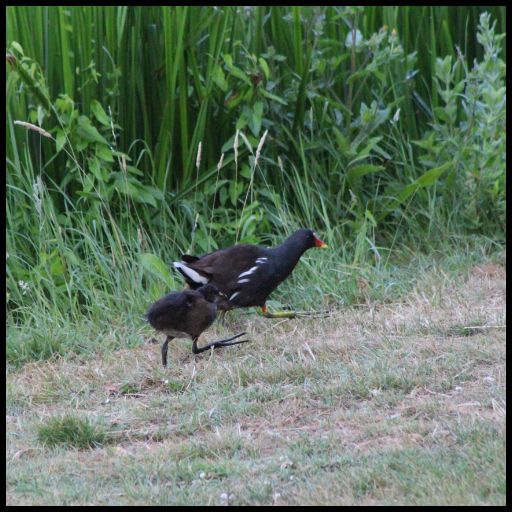
Moorhen and chick 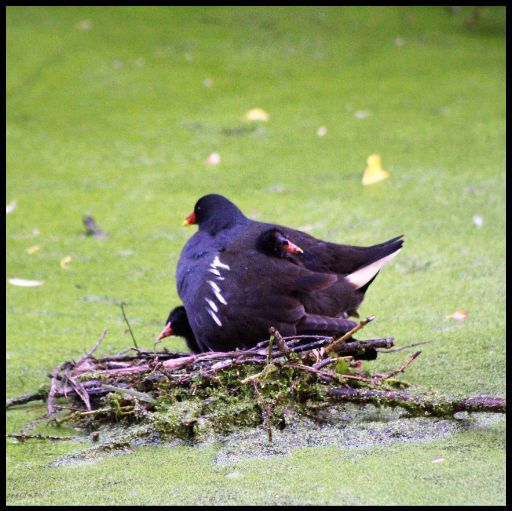
Moorhen and chicks 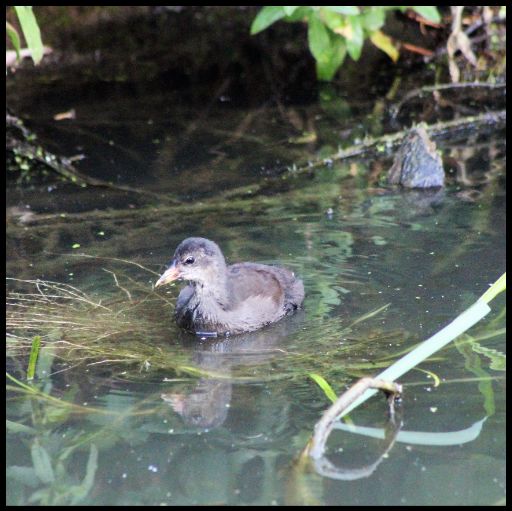
Moorhen Chick 
Moorhen and chicks 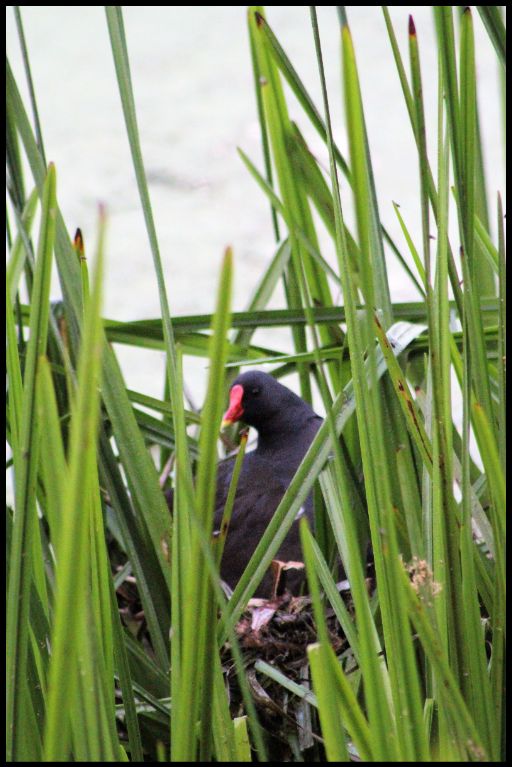
Keeping guard 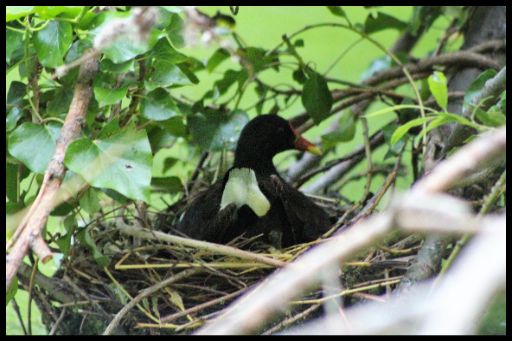
Keeping guard and tail flicking 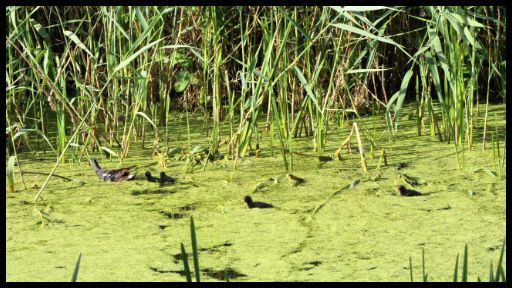
Moorhen and chicks exploring
| All images my own |
 Earthly Comforts
Very informative! Thank you for sharing, Rory. 😊
LikeLiked by 1 person
Hey Betty, glad you enjoyed the read 🙂 Thank you, regards to you and Bud and wishing you a lovely Sunday.
LikeLiked by 1 person
Thank you for your good wishes, Rory. Bud said tell you Hello. We send our regards to Suze as well. 😊
LikeLiked by 1 person
Thanks Betty 🙂
LikeLiked by 1 person
😊
LikeLiked by 1 person
A very informative post, Rory! Thank you for sharing.
LikeLiked by 1 person
Pleasure eugenia, thanks for reading 🙂
LikeLiked by 1 person
You’re welcome, Rory.
LikeLike
Really attractive waterfowl. They look like a duck-goose cross. Good pictures, too. We have had very few birds since August. I’m not sure why, but I suspect the woods which grew like crazy this summer with all the rain we had has produced huge amounts of berries, seeds, AND acorns. The squirrels are funny. They come, eat in the feeders, and leave us an acorn by which to remember them. There is a chance they think they are hiding it in the feeder.
Great Moorhens. I’ve seen them in pictures, but I don’t think they live here. We have Coots which look like a very close cousin. About the same colors and size — and habitat. I have seen coots, but mostly females who don’t have quite the coloration of the boys.
Glad you are out there!
LikeLiked by 1 person