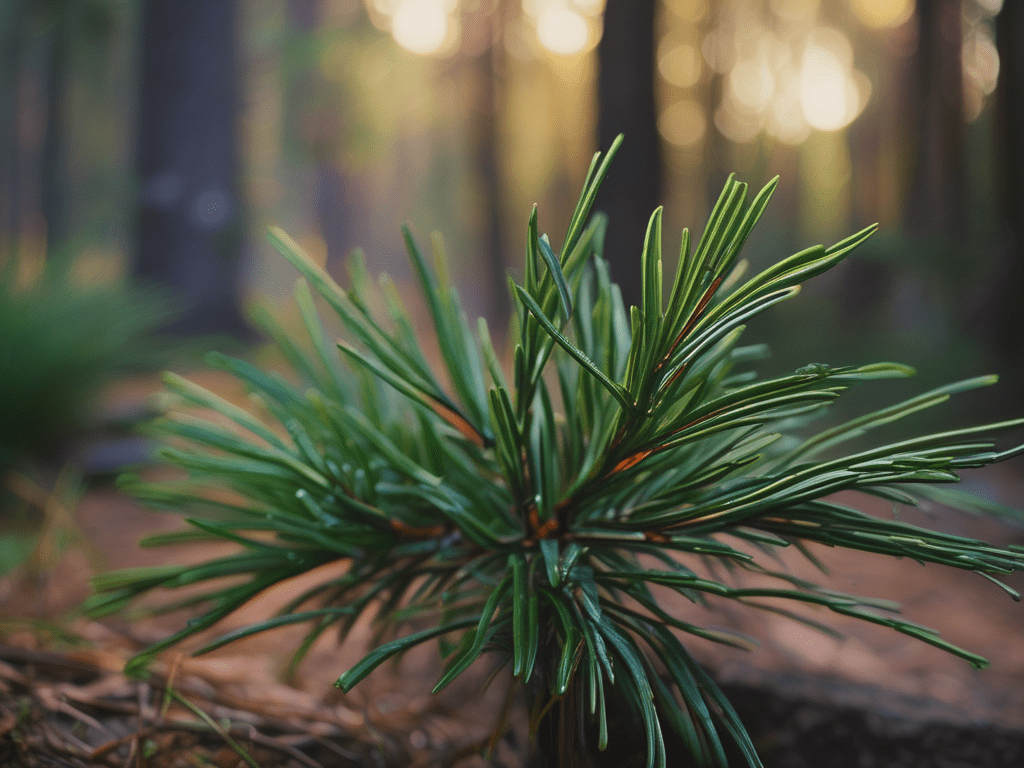
| In Plot 17, we have a Blueberry Orchard with ten fruit bushes. It was a specially created raised bed soil-wise due to the blueberry preferring acid soil, and the natural soils on Plot 17 are clay-based alkaline. When you start gardening and growing plants, vegetables, and so on, you can learn a lot of information—the Internet is filled with data, and there are books and articles aplenty. However, sometimes it isn’t what you know but who you know and then what they know. As a gardener, I’ve often found that the most valuable lessons come from other gardeners’ first-hand experiences. One such lesson was shared by a fellow allotmenteer, who suggested using pine needles as a potential mulch to help maintain the acidity of my blueberry bed. This was a tip that I hadn’t come across in any books, and it sparked my curiosity to explore further. Blueberries, unlike many other plants, thrive in a living soil with higher acidity, preferring a pH [potential of hydrogen] of between 4.5 and 5.5. This poses a unique challenge as natural soils, such as the clay-based alkaline soils on Plot 17, typically have a pH above 7.5. To accommodate these requirements, we had to create a specially raised bed environment for our blueberry orchard. If you’re determined to grow blueberries in soil that’s not naturally suited to them, like the alkaline soil on our allotment, there are practical solutions. Container gardening or creating specially made raised bed environments, as we’ve done, can provide the ideal conditions for these acid-loving plants. We have two orchards on the plot. One is planted directly into the soil with cherry, apple, plum, pear, and goji; their soil requirements can easily tolerate the alkaline pH, while the blueberries were planted into their own environment. The pH of our soil is too high in alkalinity. Which can make the growth and harvesting of many vegetables, herbs, fruits and flowers much harder and limit a plant’s ability to drink in and absorb the nutrients in the soil. Some plants thrive on alkaline soils, like asparagus, brassicas, alliums, peas and beans, certain herbs, squashes, and tomatoes, while others like a more neutral pH. Others perform well in acidic soils, like many berries—blues, crans and hucks, hydrangeas, daffodils, rhododendrons, turnips, cucumbers, and so on. You endeavour to find a happy medium for many neutral and alkaline-loving plants, flowers, shrubs or vegetables; however, for certain fruits like the blueberry, you must work towards achieving the right balanced soil. When we created the raised bed for our berry orchard, l dug out and removed all of the alkaline soils, redistributed it into other growing areas and began replacing the earth with an Ericaceous compost. Ericaceous soil is for acid-loving and lime-hating plants, many of which are listed above, as well as azaleas, heathers, camellias, magnolias, and japonicas. One of the main reasons for working towards changing a soil pH, especially for growers—not just vegetable allotmenteers but home gardeners—is that if acid-loving plants are in the wrong soil, they don’t grow and thrive but can develop a problem known as lime-induced chlorosis. This end game is fatal for plants, and they will gradually yellow, experience leaf drop off and eventually die. It’s not uncommon to see homeowners unknowingly purchase plants for their gardens without considering the soil requirements. This can lead to disappointment when the plants don’t perform as expected. As a gardener, I’ve witnessed this scenario often, and it’s a reminder of the importance of understanding our plants’ needs. Worse than this, l have taken on board new clients who have had a landscaper who still needs to perform pH soil checks and planted the garden with the wrong plants, so thousands of spent pounds are lost in dead plants and avoided considering that pH test kits are inexpensive to purchase. If gardens have the wrong ground soils, acid-loving plants can still be grown. This just lends more weight to growing more in containers or pots, raised beds, or even soil vessels [holes dug into the ground, lined, and Ericaceous compost placed into the basin and planted into]. This is much easier than attempting to change the pH balance ratio of the soil in the ground. It took roughly fourteen 50kg bags of Ericaceous compost to fill the raised bed on Plot 17. Suze and I wanted to have a bed dedicated to growing blueberries as we have such a colossal requirement for them in our kitchen. While we could easily have had several containers around the plot itself, we knew it would be easier to have just one area. Something I have taken to working with lately is pine needles that I have been offered from no longer-wanted trees. I put the smaller branches into the shredder which awarded me with pine needle mulch. The bigger branches or trunks were added to the deadhedge. Practicality is key in gardening, and I found that pine needle mulch, a byproduct of my tree shredding, could be a useful tool. While it’s not a guaranteed method to lower soil pH, it does have a minimal effect on acidity and acts as a natural weed barrier. This is a practical solution that I don’t mind using with established plants. I wouldn’t use them as a base compost covering for seed planting or even near young plants, as the needles have chemicals that can prove harmful. Still, for weed suppression alongside nutrient feeding of the soil when they break down, l think pine needles are valuable as an alternative option. They also act as mulch, working towards keeping moisture in the soil. There are a few misconceptions about pine needles. Many suggest that nothing grows underneath pine, fir, or spruce trees, especially the bigger ones. I have not experienced this, although I have noticed that the shaded areas beneath more giant trees create so much shadowing that this may be significant to the poor undergrowth alongside competition for water. But is it the needles themselves? I don’t think so. After falling, pine needles usually lose their acidity within the first three weeks and become neutral, and their natural organic decomposition can take between ten to fifteen years. Their ability to feed the soil and make it more acidic is a concise window with minimal impact. Another protection element found with pine needles is that slugs and snails love fruit trees and are adept at climbing up the stems of blueberry bushes, but they dislike pine needles! So, using the needles as a mulch layer around the fruit trees is a great benefit. They don’t like crossing areas that contain sharp edges or prickly thorns. I have hot composted pine needles before, and they do break down with the heat, although if you are working a cold compost pile, be mindful that the decomposition process will be much slower. |
| While the suggestion of introducing a pine needle mulch to the blueberry orchard may not be a massive contributor to feeding acidic nutrients into the soil, it still comes with plenty of alternative benefits. It keeps the soil moist and retains water. Adds valuable nutrients to the soil. Fresh pine needles will leach off tiny amounts of acidity to the soil for a short window. Keeps slugs and snails at bay. It’s excellent as a weed suppressant. It has a long-lasting life before decomposition sets in. It has a nice presentable look to it. Most often or not, you can get them for free. Makes for a practical ornamental pathway. They smell nice They can be added to compost heaps. You can create a household spray by steeping the needles in white vinegar for six weeks, straining it off, and presto, a scented pine spray. |
 Earthly Comforts
2 thoughts on “Benefits of Using Pine Needle Mulch in Blueberry Orchard Soil”