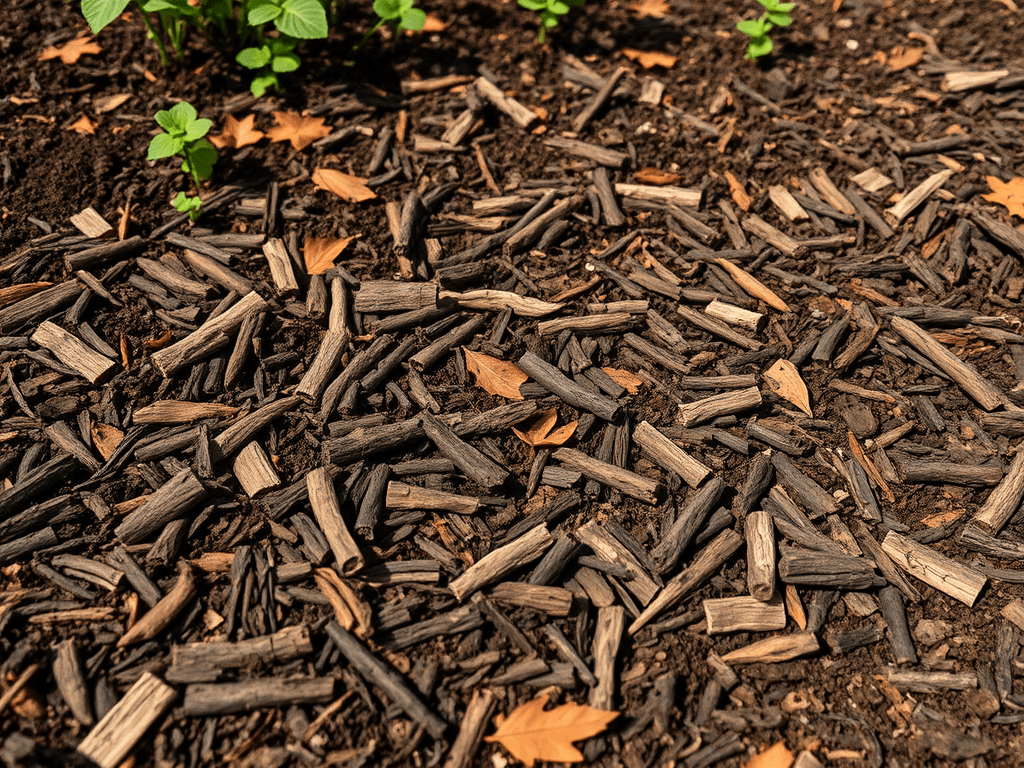
| Throughout the last couple of months, I have been researching alternative methods for organic waste disposal and circular economy techniques—the latter is the study and introduction of a reuse and regeneration system of waste materials, especially as a means of offering sustainability to my clients. Why am I disposing of green waste in an environmental transfer station when it could be used again or repurposed and recycled in the garden? Compost is a classic example of a circular economy. Once processed, it comprises garden waste and is redistributed back into the garden. Thus, compost reduces the need for garden waste materials to go to landfill sites. One of the most significant issues I faced when researching this subject was the sheer amount of governmental red tape I had to cross, twist, and cut to achieve a basic success formula. As Ron Davies said in the seventies – it ain’t easy! Whilst plans to create a Private Client Compost Club are currently on hold until a solution can be found, one of the new alternative strategies I will adopt for 2025 will be the introduction of shredded garden waste. Whilst initial studies provided me with answers that there was less red tape, it has come to light that there is just as much, but they are disguised differently. So, I think for this year especially, I will be either giving more away or taking it down to the allotment, where I can use and utilise the mulched content for pathway creation as well as a separate ingredient for the new open-air composting system. Some gardens may wish to use it for similar purposes. However, even a subscription could be considered selling, so donations or trade-offs may be the way forward. |
| Some who oppose using wood mulches might counter that they can deplete valuable nitrogens from the soils as they decompose. I have found that if you add organic nitrogen-rich fertilisers like blood meal, green compost materials, and crumbled chicken, cow, or horse manure, this can help, but so too can coffee grounds—just don’t spread too thickly with the latter. |
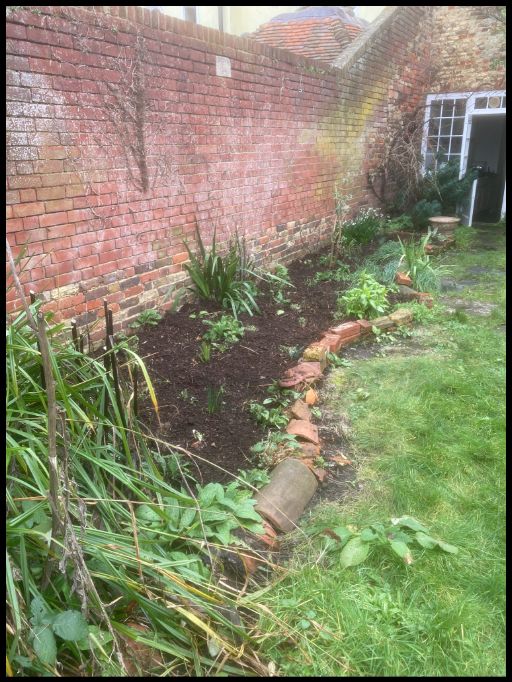
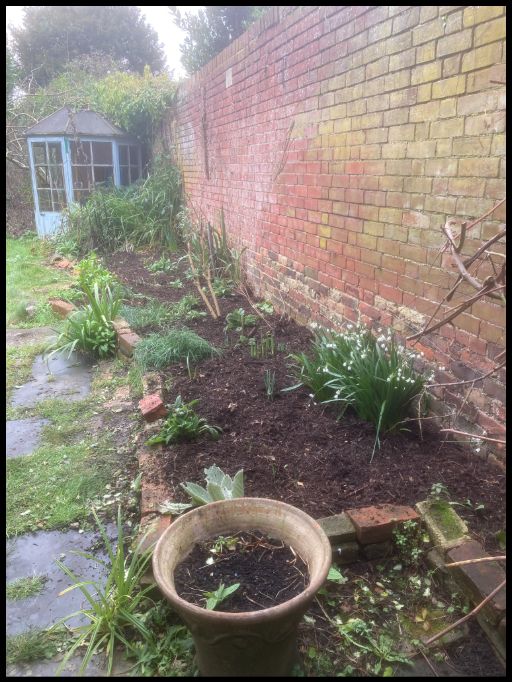
| Ornamental bed with a top layer of organic mulch makes everything look more appealing to the eye and acts as a suppression mat for weeds. |
| The other day, l was asked, ‘Are there any benefits to using wood-based mulch?’ Indeed, there are numerous benefits to using wood-based mulch. Let’s explore eight compelling reasons: Firstly, organic wood-based or green waste mulch is a convenient solution for moisture retention. It significantly reduces water evaporation in the soil, thereby lessening the need for frequent watering, making your gardening routine more manageable. 2] Mulch serves as a natural temperature regulator for the soil, maintaining cooler spring and autumn conditions and warmer temperatures during the winter. It also provides a protective layer for plant stems and roots, shielding them from harsh environmental conditions, giving you peace of mind about your plants’ well-being. 3] Mulch degrades and decomposes over time. As I have written before about creating dead hedges, materials in these walls also break down over time and feed the soil, but so does mulch when spread out over ornamental beds. As the Mulch breaks down, it leeches valuable nutrients and microbes into the soil and enriches the earth. 4] Mulch is a natural weed suppression mat. It helps stop weed germination, reduces the need for chemical or herbicide use in the garden, and eliminates manual weeding. 5] Certain mulch types can deter pestlike insects, such as woods that contain natural oils. Mulches can also act as a way of preventing soil-borne diseases and blights from damaging plants. 6] Using organic Mulch is a great way to help prevent soil erosion from changing weather fronts and the problems they pose to gardeners—like heavy winds, storms, and rains. Also, using Mulch in a garden with natural slopes will help eliminate water runoff. 7] As mentioned above, a good layer of Mulch will help with soil erosion. It will also prevent heavy rain from impacting the soil and, as such, cause damage to the plants while keeping the soil beneath the Mulch looser for improved root growth. 8] Lastly, one of the most enjoyable aspects of using mulch is its aesthetic contribution. It enhances the visual appeal of gardens and properties, adding a touch of natural beauty to the landscape, for you to appreciate every time you step into your garden. |
 Earthly Comforts
I hope you can devise a eco-friendly solution that helps you save money too.
LikeLiked by 1 person
Well l am making alternative steps Sadje , getting there slowly 🙂
LikeLiked by 1 person
That’s great. 😃
LikeLiked by 1 person