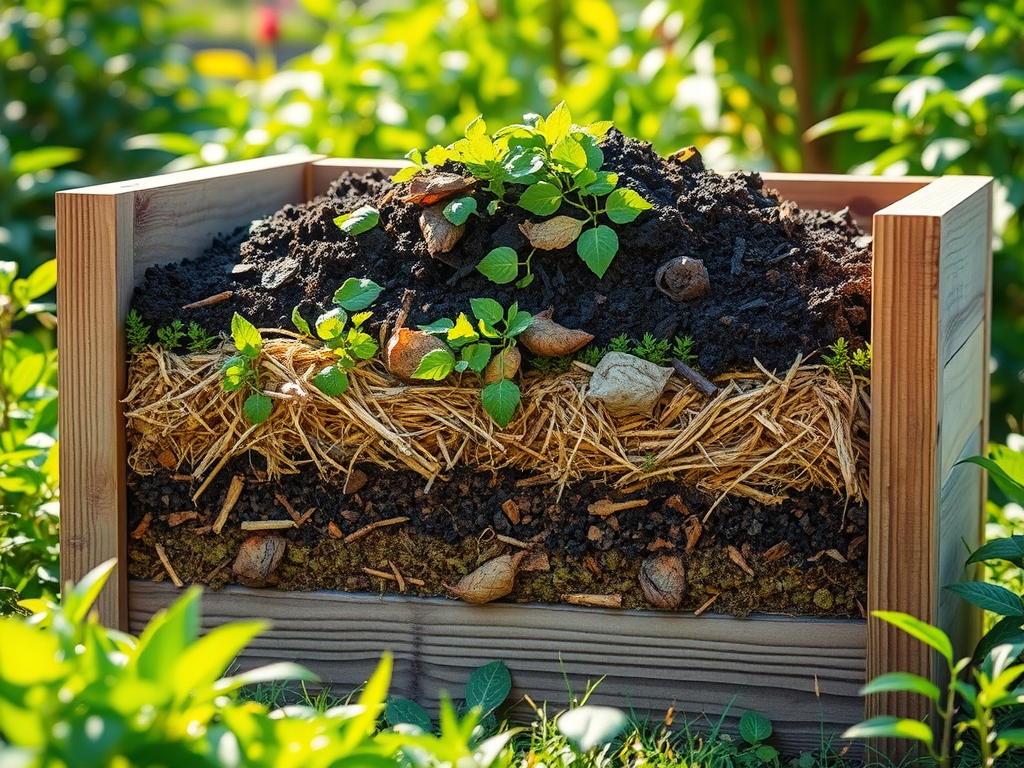
| Deep box organic composting is a remarkable strategy and system that rewards significant results from minimal labour intensity. I began utilising this method in the late summer of 2023 to replace the more conventional composting method I was using, hot composting, which required frequent turnings every two to three days to establish, maintain, and sustain high heat to ensure that the decomposition process worked at speed. Time had become tighter and slimmer due to the gardening business gaining momentum and me acquiring more clients. Still, I was also experiencing serious issues with my eyes, which triggered my blepharitis to react more often. The mould spores from the compost were causing concerning health problems, so a new method of compost creation was needed. I had experience with Hügelkultur and wanted to see if a system like that could be introduced into a smaller boxed environment. The answer was yes. What is it? |

| Digging out the 2023 deep box organic composting systems. All the new mini-beds we have now on Plot 17 are deep box organic composters using the Hügelkultur method. This will ensure that the beds have a longer life and the soils are rich in microbial activity and nutrients. The compost you see above was terrific after 18 month. Although this system leans into anaerobic composting, it has still proved valuable for compost production and soil creation. |
| Deep Box Organic Composting: A Comprehensive Guide Deep Box Composting is a method of composting that involves using a deep box to facilitate the breakdown of organic materials over time. This method is beneficial for small spaces, colder climates, and areas where open composting may not be practical. How Deep Box Composting Works A deep box (typically made of wood) contains composting materials. It helps retain heat and moisture to accelerate decomposition. The depth allows for better insulation, making composting practical in various weather conditions. Box Design The box is usually at least 2-3 feet deep to hold a significant volume of organic matter. I have found the best results with solid sides, although it can have solid sides with ventilation holes or slatted sides for airflow. A lid or cover helps control moisture and temperature. Layering Organic Material Bottom Layer – Coarse material like sticks or straw for drainage. Green Layer – Nitrogen-rich materials (food scraps, grass clippings). Brown Layer – Carbon-rich materials (dry leaves, shredded paper). Soil or Finished Compost – A thin layer of soil or finished compost to introduce microbes. Repeat layers as needed. Moisture and Aeration The compost should be moist but not soaking wet (like a wrung-out sponge). Decomposition Timeline Composting can take several months to a year, depending on temperature, aeration, and materials used. However, warmer conditions speed up the process. Advantages of Deep Box Composting Efficient Space Use – Ideal for urban or small garden settings. Better Insulation – Maintains warmth for decomposition in cold climates. Pest & Odor Control – The enclosed structure reduces rodent access and minimises odours. Easierminimisesnce – No turning compared to open pile turned composting. Disadvantages Slower Than Traditional Hot Composting – Due to limited aeration. Potential for Moisture Imbalance – Too much moisture can lead to anaerobic conditions (bad smells). Requires More Setup – Needs a structured box instead of an open compost pile. Best Materials for Deep Box Organic Composting Yard waste (grass clippings, leaves) Shredded paper & cardboard Manure from herbivorous animals (e.g., rabbits, chickens) Bokashi [Fermented Food waste] Who Should Use Deep Box Composting? Urban Gardeners with limited space will find deep box composting a practical and efficient solution for their composting needs. Cold-climate gardeners who need better insulation for year-round composting will find deep box composting a reliable and effective solution. People are Concerned About Pests & smells, as the enclosed design helps contain odours. |
 Earthly Comforts
One thought on “Mastering Deep Box Organic Composting: A Step-by-Step Guide”