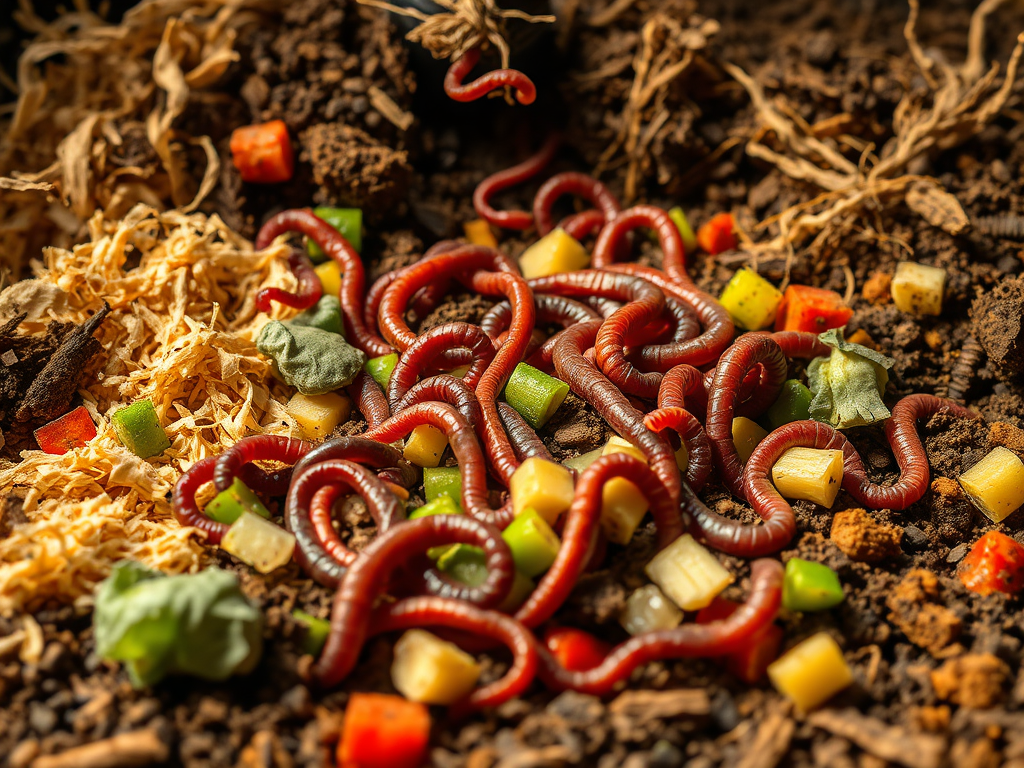
| Vermicomposting – profitable or not? These days, I work with very few ‘composting methods’ compared to previous years, when I tried many. Today, I only work with systems that work for me and the limited time I have available—bokashi composting and deep box hots. However, up until March 2024, I had been working on worm farming—vermiculture. On Plot 17, I have two large raised beds measuring three feet wide, three feet deep, and eight to ten feet long. They were active worm beds from December 2022 to February 2024, the ultimate result of working many styles of worm beds from 2018. Whilst the systems might have worked if I had the appropriate time to run and maintain the business, I didn’t have enough free time to establish that side of the company properly, so I stopped trying in 2024. The two farms were then turned over to asparagus and strawberry beds, which will be used from now on. However, I have been asked numerous times if vermicomposting could be viable. The answer is yes. But, before anyone decides to try and start this business, they should find a marketing outlet, if not several, where they can be sold. Otherwise, starting from scratch without any availability to offload the produce is a very costly adventure. |

| Worm farming, also known as vermicomposting, raises worms to compost organic waste and produce nutrient-rich worm castings (vermicompost). These castings are an excellent natural fertilizer for gardens and plants. |
| Embarking on Your Worm Farming Journey Choose Your Worms Not all worms are suitable for composting. The best species for worm farming are: Red Wigglers (Eisenia fetida) – Most commonly used for vermicomposting. European Nightcrawlers (Eisenia hortensis) – Larger and suitable for fishing bait and composting. African Nightcrawlers (Eudrilus eugeniae) – Fast breeders thrive in warm climates. |
| Select a Worm Bin Worm bins can be DIY or commercially purchased. Important factors: Size: Depends on the amount of waste you plan to compost. Material: Plastic, wood, or metal (plastic is the most common). Ventilation & Drainage: Proper airflow allows excess moisture to escape. |
| Prepare Bedding Bedding materials help create a comfortable habitat for worms. Use: Shredded newspaper or cardboard (non-glossy) Coconut coir Peat moss (pH neutral) A small amount of soil or sand for grit |
| Feeding Your Worms Worms eat organic material and turn it into rich compost. Good worm food includes Vegetable scraps (carrots, lettuce, cucumber), Fruit scraps (banana peels, apple cores, melon rinds), Coffee grounds and tea bags, Eggshells (crushed, for calcium), and Shredded paper and cardboard. Avoid Citrus fruits (too acidic), Onions & garlic (strong odours), Meat, dairy, and oily foods (attract pests), and Salty or processed foods. |
| Maintaining Your Worm Farm Keep the moisture level like a wrung-out sponge (not too dry or too wet). Temperature should be 55-77°F (13-25°C) – extreme heat or cold can kill worms. Harvest worm castings every 3-6 months by separating the worms from the compost. Monitor for pests like ants, mites, or fruit flies, which indicate improper feeding. The rewards of worm farming reduces waste in landfills by composting organic material. Produces high-quality natural fertilizer rich in nitrogen, phosphorus, and potassium. Improves soil health, increasing water retention and aeration. Profitable business – selling worms or worm castings can generate income. |
| Vermicomposting – profitable or not? Yes, vermicomposting can be a viable business in the UK, but its success depends on several factors, including demand, competition, and operational efficiency. With the right niche identified and reliable feedstock sources secured, vermicomposting can be a profitable and sustainable business in the UK. Below are key aspects to consider: |
| Market Demand Growing interest in sustainability: Many UK households, farms, and businesses seek eco-friendly waste management solutions. Organic farming & gardening boom: Gardeners, small-scale farmers, and organic food producers need high-quality worm compost. Waste reduction initiatives: UK policies favour businesses that reduce organic waste and promote a circular economy. |
| Revenue Streams A vermicomposting business can generate income through: Worm Castings (Vermicompost): Sold as high-quality organic fertilizer. Live Worms: Sold for composting, fishing, or pet food (e.g., for reptiles and birds). Liquid Fertilizer (Worm Tea): A byproduct sold to gardeners. Composting Services: Partnering with local councils or businesses to process organic waste. Workshops & Consultancy: Educating schools, businesses, and farmers on vermiculture. |
| Startup Costs & Setup Worm Bins & Infrastructure: DIY or commercial worm bins, trays, or windrows. Worm Stock: Red wigglers (Eisenia fetida) are the most commonly used species. Feedstock: Organic waste sources (kitchen scraps, manure, or food industry byproducts). Storage & Packaging: For selling vermicompost and worms. Marketing & Distribution: A website, farmers’ markets, garden centres, and online sales. |
| Potential Challenges Climate & Space: Worms need controlled conditions (moisture, temperature). Regulatory Compliance: Waste processing and organic product sales may require licensing. Market Competition: Established suppliers already operate in the UK. Scaling Up: Large-scale operations require more space and automation. |
| Profitability Small operations can start with low investment and scale up. A well-run vermicomposting business can yield high margins on worm castings and live worms. Demand is seasonal, with peak sales in spring and summer. |
 Earthly Comforts
One thought on “Is Vermicomposting Worth It?”