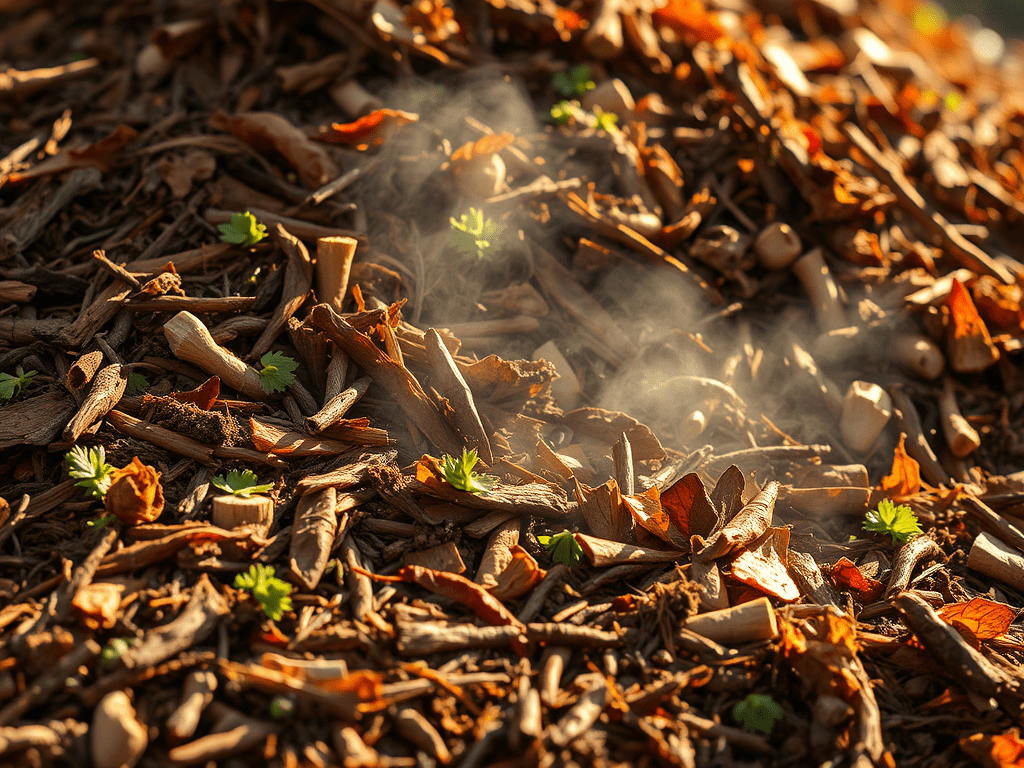
| What are the main differences between cold, warm and hot composting methods? Composting is a natural process that transforms organic waste into a nutrient-rich soil amendment. The main differences between cold, warm, and hot composting methods relate to temperature, decomposition speed, required maintenance, and the types of materials that can be composted. |
| Cold Composting Temperature: Below 90°F (32°C) Decomposition Speed: Slow (can take 6 months to 2 years) Maintenance: Minimal (occasional turning, if any) Materials: Primarily yard waste and kitchen scraps (excluding meats and dairy) Pros: Low effort, suitable for beginners Cons: Slow breakdown, may not kill weed seeds or pathogens |
| Warm Composting Temperature: Between 90-140°F (32-60°C) Decomposition Speed: Moderate (a few months to a year) Maintenance: Regular turning and monitoring to maintain heat Materials: Can include a wider range of organic materials but still avoids meats and dairy Pros: Faster than cold composting, kills some weed seeds and pathogens Cons: Requires effort in maintaining the right balance of materials and moisture |
| Hot Composting Temperature: 135-160°F (57-71°C) Decomposition Speed: Fast (weeks to a few months) Maintenance: Frequent turning, aeration, and monitoring of temperature and moisture Materials: Can process more complex materials, including some dairy and meat (in controlled systems) Pros: Kills weed seeds, pathogens, and decomposes quickly Cons: Requires close management, proper balance of greens (nitrogen) and browns (carbon), and ample space |
| Key Takeaways: Cold composting is the easiest but slowest. Warm composting is a balanced option, requiring some effort but yielding compost faster. Hot composting is the fastest but requires active management to maintain high temperatures. |
 Earthly Comforts
One thought on “Cold, Warm, and Hot Composting: Key Differences Explained”