| I don’t create compost these days like I used to in years gone by, but it is still a topic I am very passionate about. I used to make compost soils and fermented teas. Sue and I still have a banana peel tea tub down on Plot 17. We throw in chopped-up peel and let it stew for several days before we siphon it off for use on our plants. We also have green weed drowning bins. I am often asked which compost teas I would recommend, and it’s not an easy choice. However, if pushed, worm-casting tea is the better option for all-around residential gardening and vegetable growth. It offers a much enriched, versatile use for gardeners and growers alike and is filled with microbial activity. My second choice would most probably be green weed tea. |
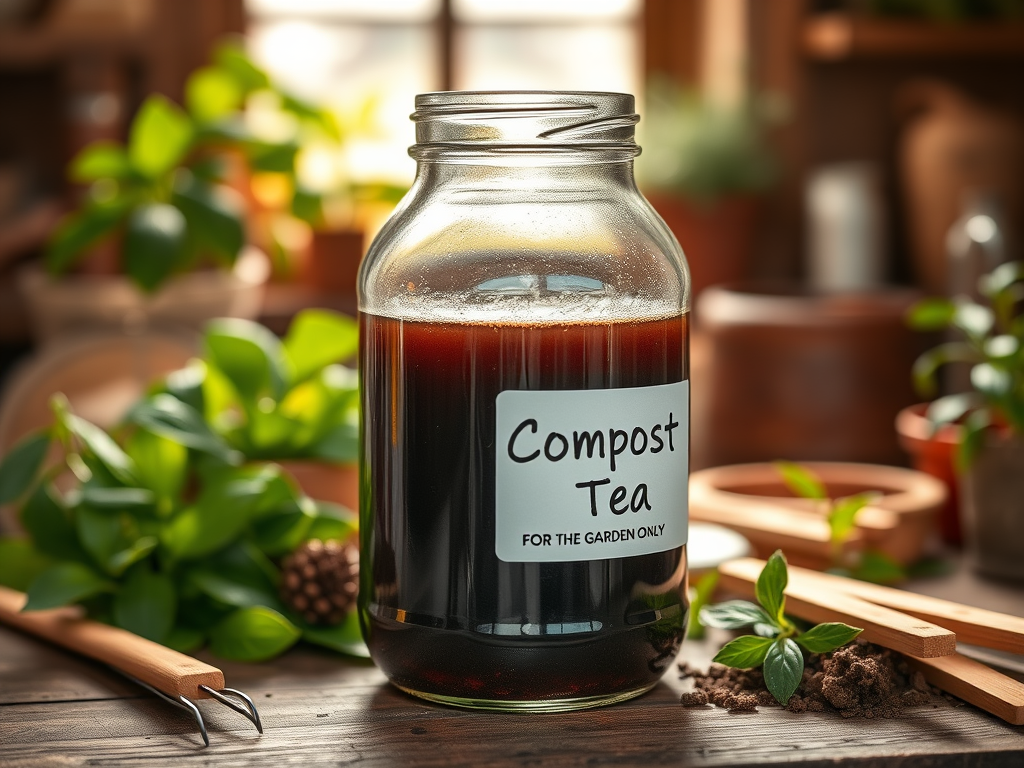
| Compost Tea Think of compost tea as a probiotic for your garden. Compost tea is packed with helpful microbes that improve plants’ ability to absorb nutrients, fend off disease, and handle stress better. Preparation Formula Mix 1 part well-aged compost (worm castings are ideal) with five parts dechlorinated water. Optional: Add a tablespoon of molasses to feed the microbes. Let it brew for 24 to 36 hours with constant aeration (a basic fish tank bubbler does the trick). You can apply it directly to the soil or spray it on the leaves—either way, your plants will thank you. It’s a tremendous all-around tonic to keep in your gardening toolkit. |
| Banana Peel Tea Banana peels are a natural source of potassium and phosphorus, both key for flowering and fruit production. Preparation Formula Chop up 2–3 banana peels. Please place them in a jar of water and let them steep for 3 to 5 days. Strain the liquid and pour it around the base of your flowering plants. |
| Nettle Tea Burning nettles are nitrogen-rich, perfect for promoting leafy, vibrant growth. Preparation Formula Combine fresh nettles and water at about a 1:10 ratio. Let the mix sit in a covered container for a week or two. Be warned: This can not just smell but stink, and if spilt, you had the best hope it’s not on something you may wish to wear out socially. Strain and dilute it 1:10 before using it on your plants. |
| Worm Cast Tea Worm castings teem with beneficial microbes—bacteria, fungi, and more. They’re gentle, fast-acting, and incredibly effective at building healthy soil. Preparation Formula Add 1 cup of worm castings to 1 gallon of water. Toss in a teaspoon of molasses if you like. Aerate the mixture for about 24 hours. |
| Green Garden Weed Tea Fresh weeds (like nettle, dandelion, clover, comfrey) Large sealable bucket or metal bin [with lid] Water (non-chlorinated) Stir stick, strainer and funnel Now, something I do continually have active down on Plot 17 is two green weed-growing bins. All the weeds we have in the raised beds or just growing around the allotment plot are hand-picked and tossed into these giant water tubs. A lid is placed on them, and they are usually kept in this watery grave for anywhere between 3-8 months, pending the climate, season, heat, and, of course, how full they are becoming. They are both full and in desperate need of not just a siphon off of the liquid but also the drenched and pickled green pulp, which needs to be removed and placed into one of the compost bins where it can break down further. These two bins reek terribly, but the liquid or tea they produce is an excellent fertiliser! Preparation Formula Collect & Chop weeds (no seeds). Fill bucket ½–¾ with weeds, and cover with water. Let ferment for 1–3 weeks or longer if you wish, stirring every few days Strain and compost the solids. Dilute 1:10 (tea: water) and use it to feed plants. None of the weeds we use have been sprayed by chemicals, and that is, of course a key factor when preparing your formula |
 Earthly Comforts
One thought on “Top Compost Teas for Maximum Plant Growth”