
| Parsley Flat/Curly |

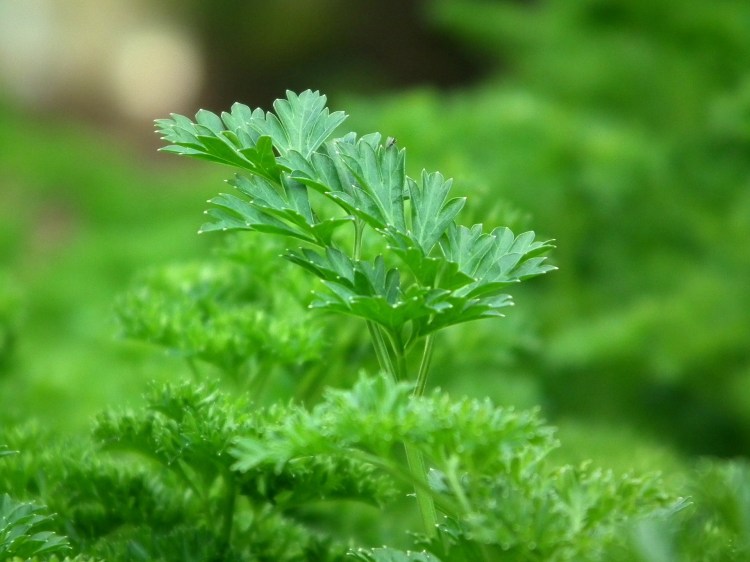

| Flat Parsley: A Simple Guide What is Flat Parsley? Flat parsley, also known as flat-leaf or Italian parsley, is a versatile herb with smooth, dark green leaves and a fresh, slightly peppery taste. It is a culinary powerhouse, often preferred over curly parsley for cooking due to its robust flavour and ease of chopping, making it a perfect addition to a wide range of dishes. Growing Flat Parsley in the UK Climate Suitability: Flat parsley is a resilient herb that thrives in the UK climate. It can tolerate cooler weather, yet it flourishes in warmth and sunshine. As a biennial plant, it will reward your patience by growing leaves in its first year and flowering in the second if left in the ground, a testament to its adaptability and gardening skills. When to Sow: Indoors: Start seeds from March onwards in pots on a sunny windowsill. Outdoors: Sow April to July directly in the ground or containers. Where to Grow: Loves well-drained, fertile soil. Happy in full sun to partial shade. Works well in containers, raised beds, or a garden border. How to Grow: Sow seeds thinly, about 1cm deep. Germination can be slow – expect it to take 2–4 weeks. Thin seedlings to around 15–20cm apart. Keep soil moist, especially in dry spells. Care Tips Water regularly, but don’t let roots sit in soggy soil. Cut leaves from the outside first to encourage new growth. You can harvest from about 10–12 weeks after sowing. Protect overwintering plants with fleece or cloches in colder parts of the UK. Fun Facts Parsley has been used since ancient times – Romans used it to freshen breath! Rich in vitamin C, K, and iron. Bees love the flowers if you let them go to seed in year two. Varieties of Flat Parsley ‘’Italian Giant’‘– Big, robust leaves that are very flavourful. Grows tall and strong, ideal for regular harvesting. ‘’lain Leaf’‘– Classic variety with good flavour and a bushy growth habit. ‘’Gigante dd’Italia’– Similar to the Italian Giant but known for huge leaves. Common Problems Slugs & snails: Especially on young seedlings. Leaf spot: Fungal issue – avoid overhead watering. Bolting: Parsley may flower early if it gets too hot or dry. Keep it watered and cool. |

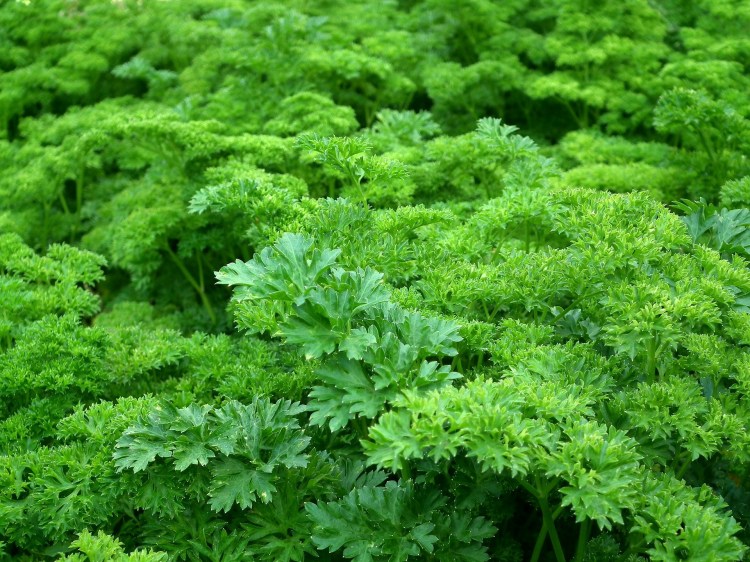
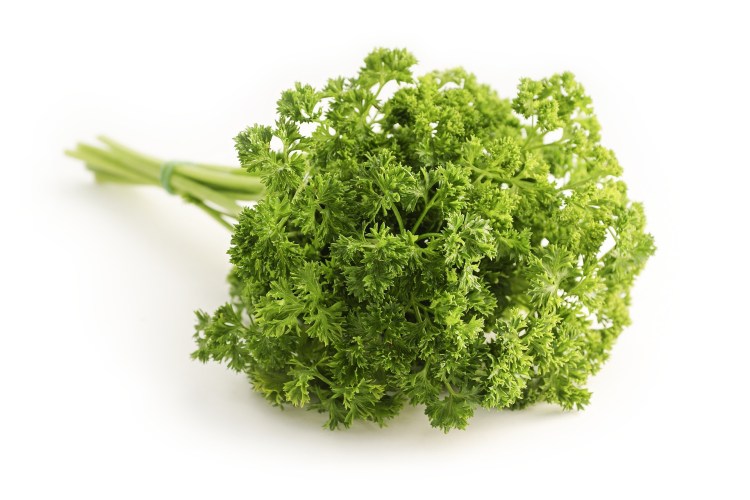
| Curled Parsley – A Proper British Grower’s Guide Curled parsley (Petroselinum crispum) is a familiar face in the kitchen garden, with its frilly, bright green leaves and mild, fresh flavour. It’s been a staple in British plots for generations, appreciated for what it adds to the plate and how neat and pretty it looks along the edge of a bed or tucked into a pot. Parsley grows particularly well in the UK, thriving in our cool, often damp conditions. It is a biennial, meaning it spends its first year growing leaves and then sends up flowers and seeds in the second. Most people treat it as an annual, pulling it up once it tries to bolt as the leaves get tougher and lose their punch. There are a few well-known varieties of curled parsley that suit the British climate: ‘Moss Curled’ – Dense, dark green, and classic. That is probably what comes to mind when you picture parsley on a roast dinner. ‘Extra Triple Curled’ is even more decorative, with tight, lush curls. It is suitable for both the kitchen and the show. ‘Frisée’ or ‘Fine Curled’—This is lighter, more delicate, and lovely if you use it as a garnish or want something more refined. How to Grow Curled Parsley in the UK Despite the old saying that the seed has to go to the devil and back before it sprouts, growing parsley is not as daunting as it may seem. Soak the seeds overnight in warm water and be patient. Once it’s up, it’s a hardy little thing, and you’ll be surprised at how easily it thrives. Here’s a rough month-by-month guide for UK growers: January–February: It is too cold to sow outdoors, but you can start seeds indoors with a sunny windowsill or a heated propagator. March–April is the ideal sowing time. Once the frost risk drops, start indoors or sow directly outside. It can take a few weeks to germinate, so aim to sow towards the end of March for a late spring or early April for a summer harvest. May–June: Plant young parsley or sow a second batch. Keep it watered in dry spells. July–August: There is still time to sow for a late crop. These plants can be brought indoors for autumn and winter use. September–October: Dig up a few healthy plants and move them into pots. Keep them going through winter on a cool windowsill or in a greenhouse. November–December: This is not a sowing time, but you can still harvest with some protection. To avoid frosty spells, mulch outdoor plants or cover them with a cloche. It prefers moist, rich soil, shade during hot days, and regular picking to prevent bolting. Companion Plants Parsley gets on well with most things in the garden. It’s perfect pals with: Tomatoes – They are said to improve their flavour and attract helpful hoverflies. Chives & Basil have similar growing needs, all shining together in summer cooking. Carrots – From the same plant family, parsley helps deter carrot root flies. Roses – Surprisingly, planting parsley near roses enhances their scent. Avoid planting near mint, though—mint is a bit of a bully and will take over if given the chance. Kitchen Uses & Recipes Curled parsley is more delicate in flavour than the flat-leaf type, but it still has plenty to offer. Chop it fresh at the last minute to keep the flavour bright. A few ideas: Parsley Sauce – Classic white sauce with chopped parsley stirred in, perfect with gammon or white fish. Gremolata – Finely chopped parsley, lemon zest, and garlic. A zingy topping for grilled meat or veg. Tabbouleh – A herby salad using bulgur wheat, tomatoes, lemon juice, mint, and heaps of parsley. Parsley Pesto – Use walnuts and parsley for a twist on the classic. Brilliant on pasta or roast veg. Sprinkle into scrambled eggs, soups, stews, or mash for a fresh green note. It’s important to remember that parsley is more than just a garnish. It’s a nutritional powerhouse, rich in vitamin C, iron, and antioxidants. Incorporating parsley into your diet can provide a significant nutrient boost, making it a valuable addition to your cooking. Fun Facts & Folklore The Greeks thought parsley was sacred. It was used to crown athletes and decorate graves but never eaten. Romans were the first to eat it, believing it kept you sober at feasts. In Victorian floriography (the language of flowers), parsley symbolised festivity and joy. There’s an old superstition that only witches or the devil could grow parsley easily—maybe because of how slow it sprouts. Some gardeners swore that parsley grows better if you plant it while thinking of someone you dislike. (That one’s up to you.) Whether it’s lining your path, brightening your plate, or quietly thriving in a pot by the back door, parsley’s a proper all-rounder. Once you grow your own, you’ll never want those limp supermarket sprigs again. |
 Earthly Comforts
One thought on “Growing Parsley: Tips for UK Gardeners”