
| I look after several cottage gardens, and they’ve been growing in popularity here in Sandwich. I’ve even been invited to help redesign a long-neglected cottage garden next month, which I’m really looking forward to once I’m back to gardening. Cottage gardens have always appealed to me—not just for their relatively low-maintenance approach, but also for their layout and the atmosphere they create. There’s a natural charm to them that feels both welcoming and timeless. In the UK, cottage gardens have a long, romantic history rooted in both practicality and beauty. They aren’t about strict design or formality, but rather about abundance, texture, and a gentle, organic flow. You’ll often find winding paths, old stone walls, and herbs spilling from the beds, while bees move lazily from flower to flower. It’s a style that invites a sense of nostalgia and a deep connection to the land—full of quiet, wild beauty. |
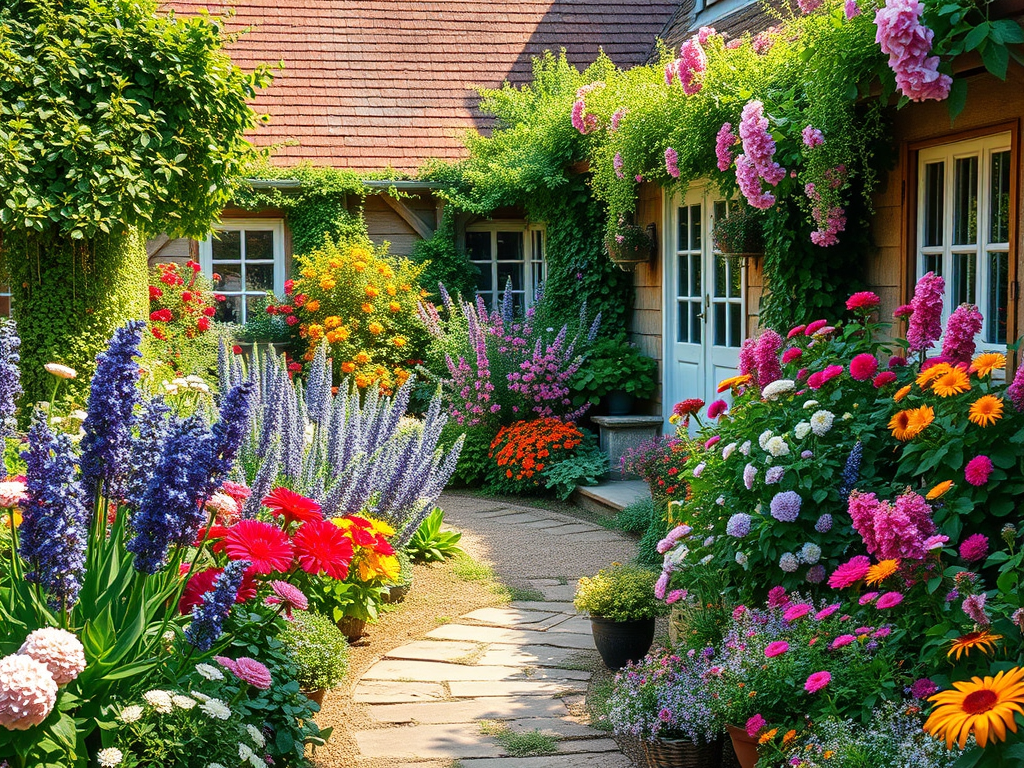
| What is a Cottage Garden? Originally, rural workers planted cottage gardens that needed to grow food, herbs, and valuable plants in small spaces. Over time, this evolved into the more ornamental style we think of today — with a mix of edibles, perennials, climbers, and annuals — but always informal, lush, and inviting. |
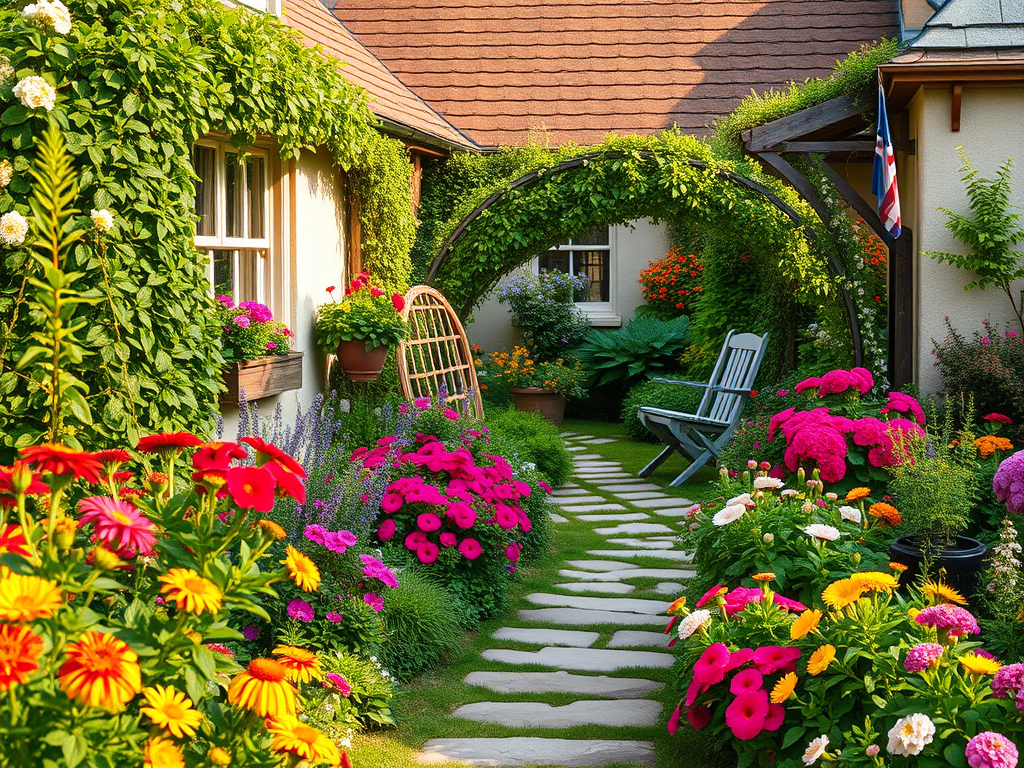
| How to Set Up a Cottage Garden Start with structure — then let it spill over. Use low stone walls, picket fencing, or old brick paths to create bones for the garden. Even a curved gravel path leading to a gate gives that traditional feel. Once you have the outlines, you can layer in the softness. Ditch the lawn—or minimize it. Replace grass with flower beds or a small path. The more planting space you can dedicate, the better. Cottage gardens thrive on variety and density. Plant thickly and in layers—there is no need for straight rows. Combine tall, mid-height, and trailing plants together. Let them mingle and self-seed. Gaps will naturally fill over time. Mix the practical with the pretty. Combine herbs, vegetables, fruits, and flowers. A rosemary bush next to roses. Runner beans climbing up a trellis behind marigolds. The idea is bounty and balance. |
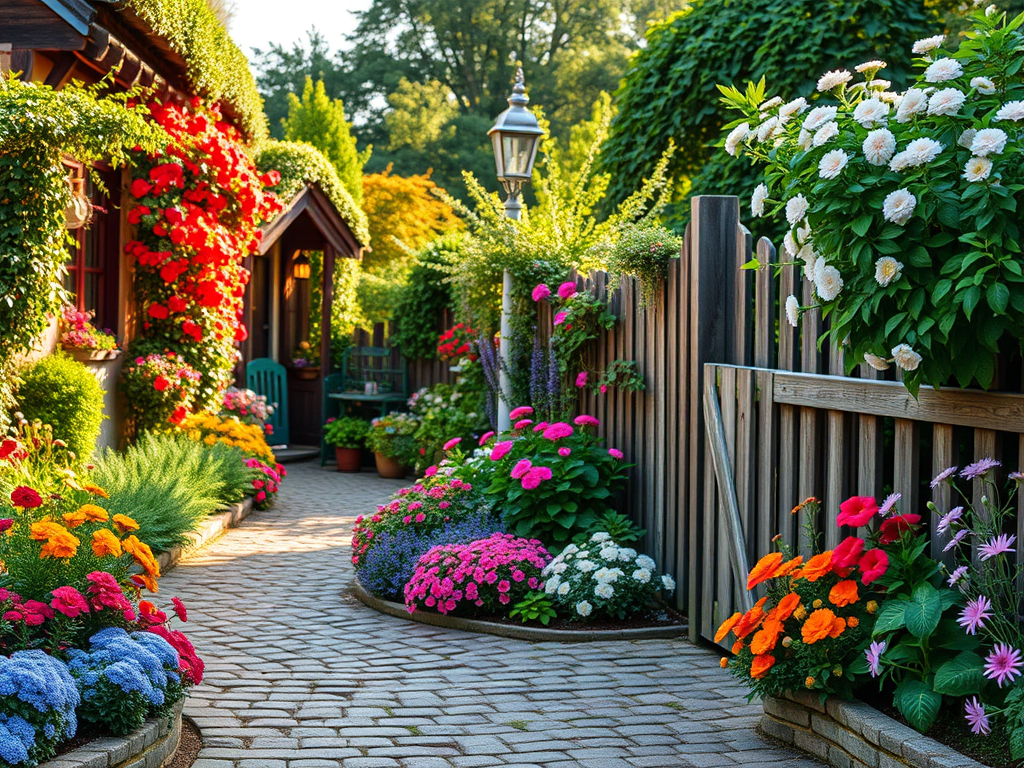
| Classic Cottage Garden Styles Traditional English Cottage – Think roses, hollyhocks, delphiniums, and lavender—a profusion of colour and scent. Wildflower-Inspired – Looser, with native species like oxeye daisies, cornflowers, and poppies. Victorian Influence – A bit more structured, with box hedging and rich borders, but still with that overgrown softness. Herb-Focused – Great for cooks and herbalists, with thyme, sage, mint, chives, and calendula dotted among the flowers. |

| Plants, Flowers, and Herbs for a Cottage Garden (UK) Perennials & Cottage Favourites Roses (especially climbers like Rosa ‘Albertine’ or Gertrude Jekyll) Delphiniums Foxgloves Hollyhocks Lupins Peonies Aquilegia (columbine) Phlox Daisies Annuals & Self-Seeders Nigella (Love-in-a-mist) Calendula Poppies (especially Papaver somniferum) Sweet peas Cornflowers Cosmos Herbs Lavender – for scent, pollinators, and structure. Rosemary Sage Thyme – great as a path edger. Mint – keep it in a pot unless you want it to take over! Chives Parsley Borage – stunning blue flowers, and bees love it. Climbers Clematis Wisteria Roses (rambling and climbing) Honeysuckle Edibles Rhubarb Gooseberries Currants Runner beans Courgettes Strawberries |
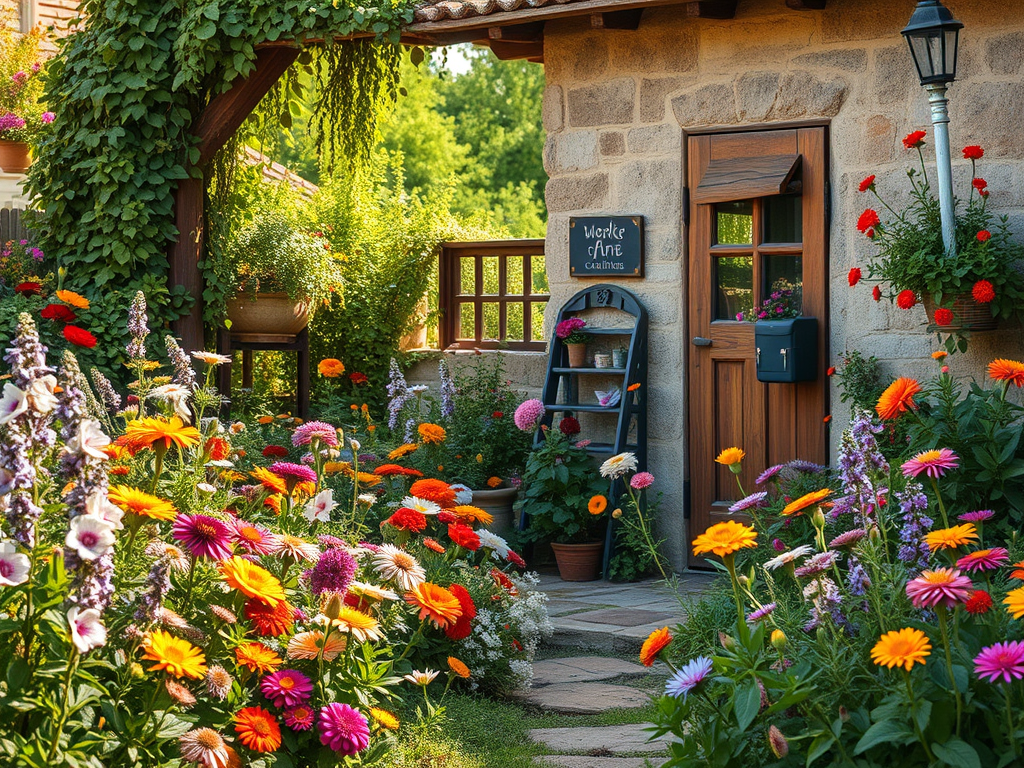
| Tips for Success Let things self-seed — embrace a bit of wildness. Deadhead flowers to keep them blooming, but don’t be too tidy. Mulch and feed in spring to keep the soil happy. Add water features or bird baths — they fit perfectly and attract wildlife. Use vintage or rustic elements — old watering cans, terracotta pots, wooden obelisks. |
| The joy of a cottage garden is that it evolves — you can’t really “finish” one. Over time, it settles into itself, growing in character each season. It’s a space to get your hands dirty, watch bees at work, and enjoy something beautiful and functional. |
 Earthly Comforts
One thought on “Creating Beautiful Cottage Gardens”