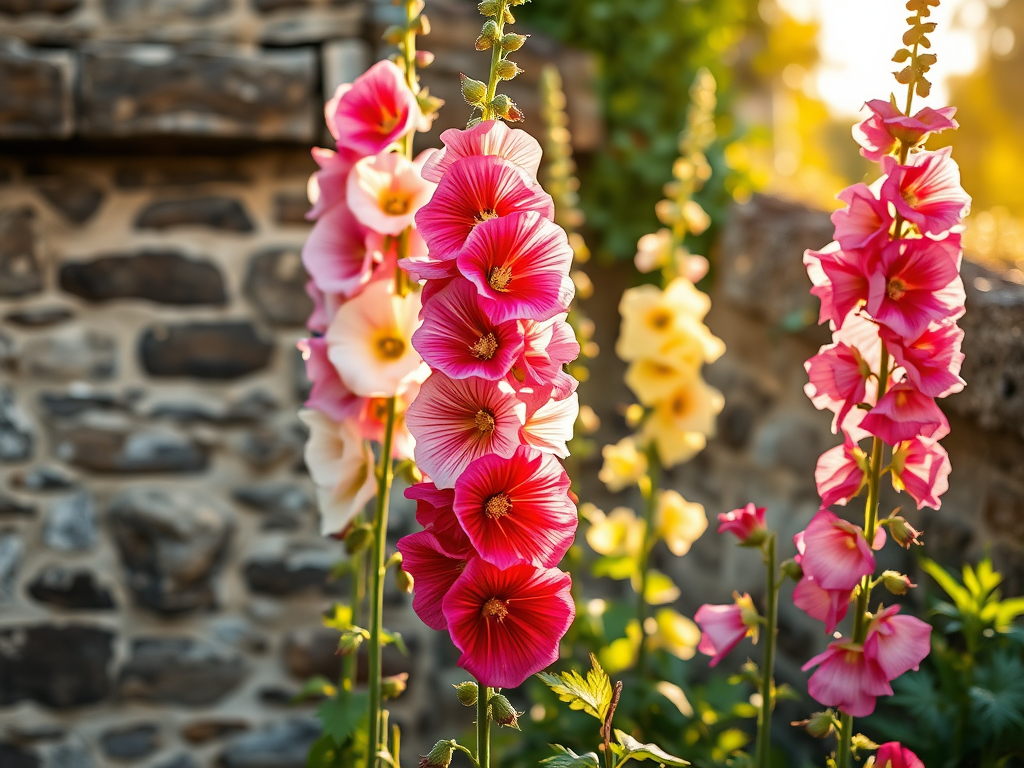
| Hollyhock Alcea |
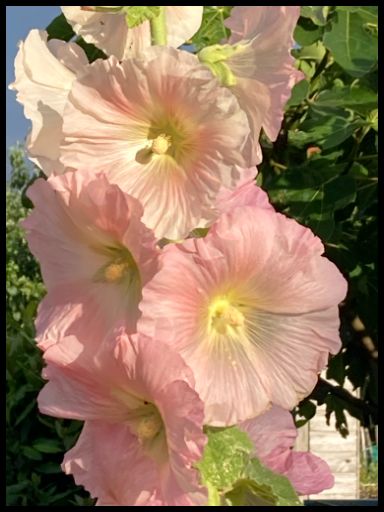
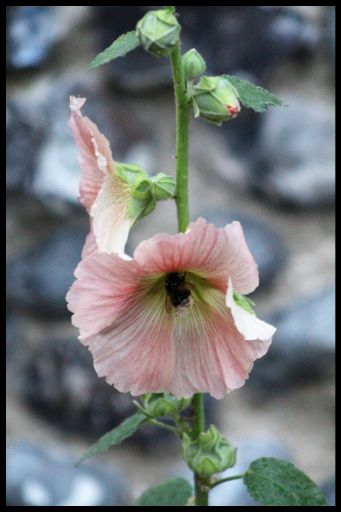
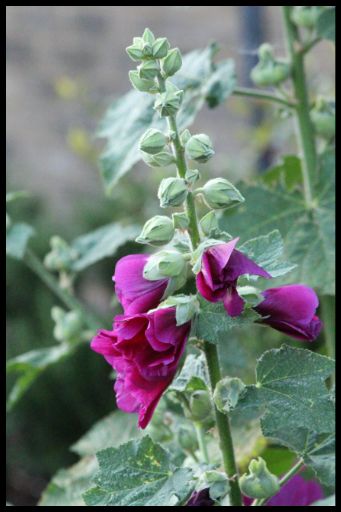

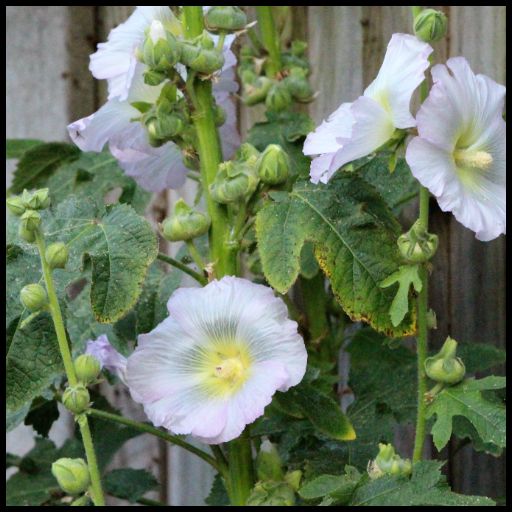
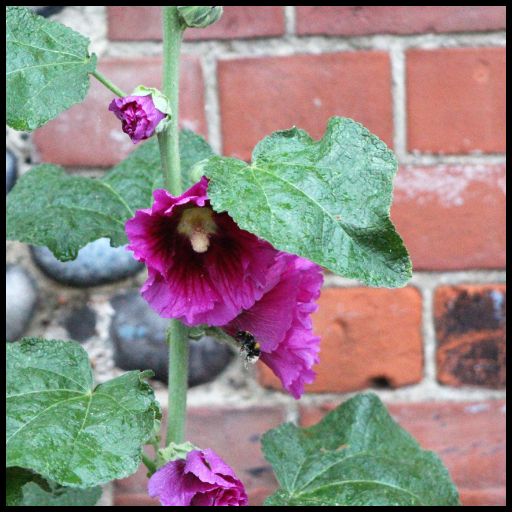
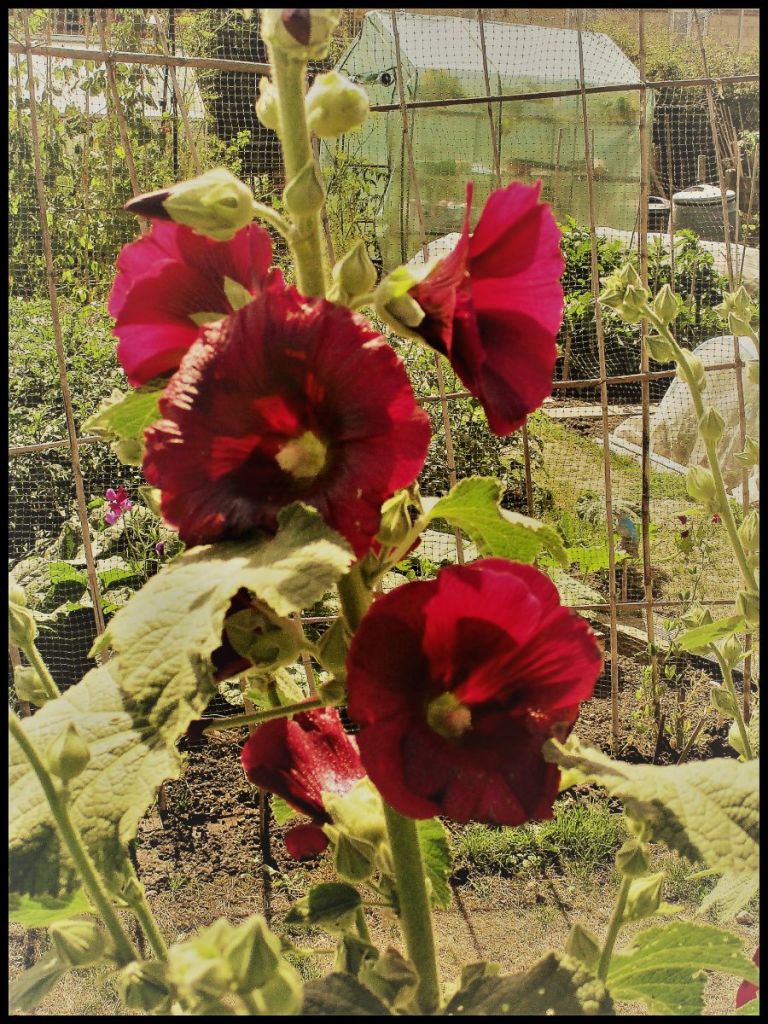
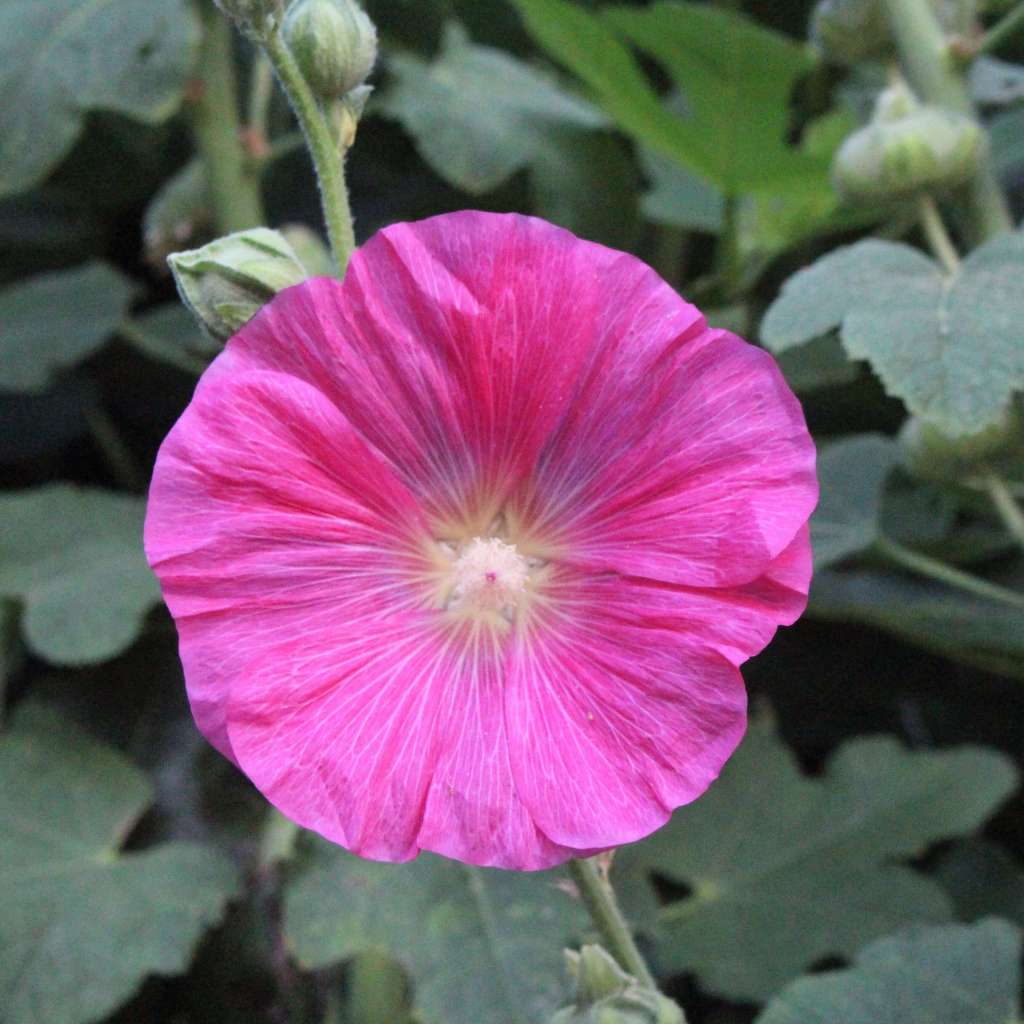
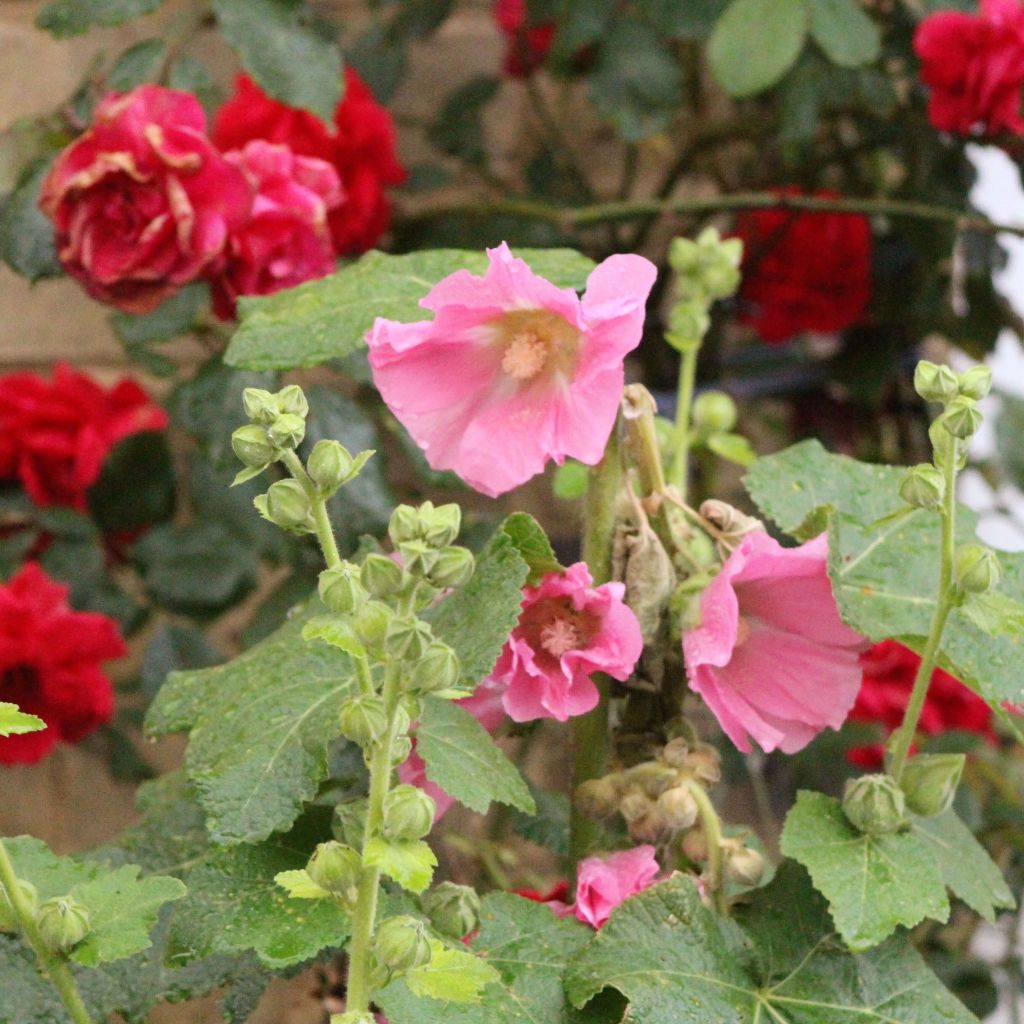
| Hollyhocks are tall, old-fashioned flowering plants that you’ll often see adding charm to British cottage gardens. In the UK, they’re especially loved for their classic, romantic look – think towering spires of blooms in pinks, reds, whites, yellows, and purples swaying next to stone walls or along fences. Their beauty is truly a sight to behold. They thrive in the UK’s mild, temperate climate, doing best in full sun and well-drained soil. They’re usually grown as biennials or short-lived perennials – meaning you plant them one year, and they bloom the next. But here’s the exciting part: they get going; they often self-seed, so they’ll keep popping up year after year if you let them. Hollyhocks can grow impressively tall – sometimes over 6 feet – so they’re perfect for the back of a border. Bees and other pollinators love them, which makes them great for wildlife-friendly gardens. That said, they can be prone to rust (a common fungal disease), especially in damp conditions, but many UK gardeners accept it as part of their wild charm. Hollyhocks are a nostalgic favourite in the UK – a symbol of carefree, country-style gardening that connects to a long tradition of growing beautiful, hardy plants that pretty much look after themselves. Their resilience in the face of rust and other challenges is a testament to their enduring charm. |
| Growing hollyhocks in the UK can be a lovely and rewarding experience – those tall, cottage-garden classics that add drama and colour, especially in early to mid-summer. |
| Growing Hollyhocks in the UK – The Basics Hollyhocks (botanical name Alcea) are tall flowering plants, often reaching 6 to 8 feet (sometimes taller!). They thrive in the temperate UK climate, particularly if they get plenty of sun and a bit of shelter from strong winds. They’re typically biennials—meaning they grow leaves in the first year and flower in the second—but if the conditions are right, they can sometimes behave more like short-lived perennials. Top Tips & Hints for Success Sun-loving: Plant them in full sun. They love basking in it! Well-drained soil: They’ll sulk in soggy ground, so add some grit or compost if your soil is heavy. Sow seeds in summer: Direct sow in June/July or start indoors—transplant in autumn or spring. Give them support: Because they grow tall, they often need staking or planting against a wall or fence. Watch for rust: Rusty orange spots on the leaves are a common issue. Keep good airflow around the plants and remove infected leaves promptly. Deadhead spent flowers to encourage more blooms. Self-seeding: Let them go to seed, and they’ll likely pop up the following year in unexpected spots (which can be charming!). |
| Fun Facts About Hollyhocks Medieval charm: Hollyhocks were grown in English cottage gardens as early as the 15th century. Not just pretty: In traditional herbal medicine, they were used for soothing sore throats and skin. Bee magnets: Bumblebees adore them – watching bees disappear into the flowers is oddly entertaining! Symbolism: Hollyhocks represent ambition and fertility in the language of flowers. Versatile colours come in a rainbow of shades – from creamy whites to deep purples and even almost-black varieties. |
 Earthly Comforts
Beautiful. Thanks for sharing.
LikeLiked by 1 person
So gorgeous and useful, as well.
LikeLiked by 1 person