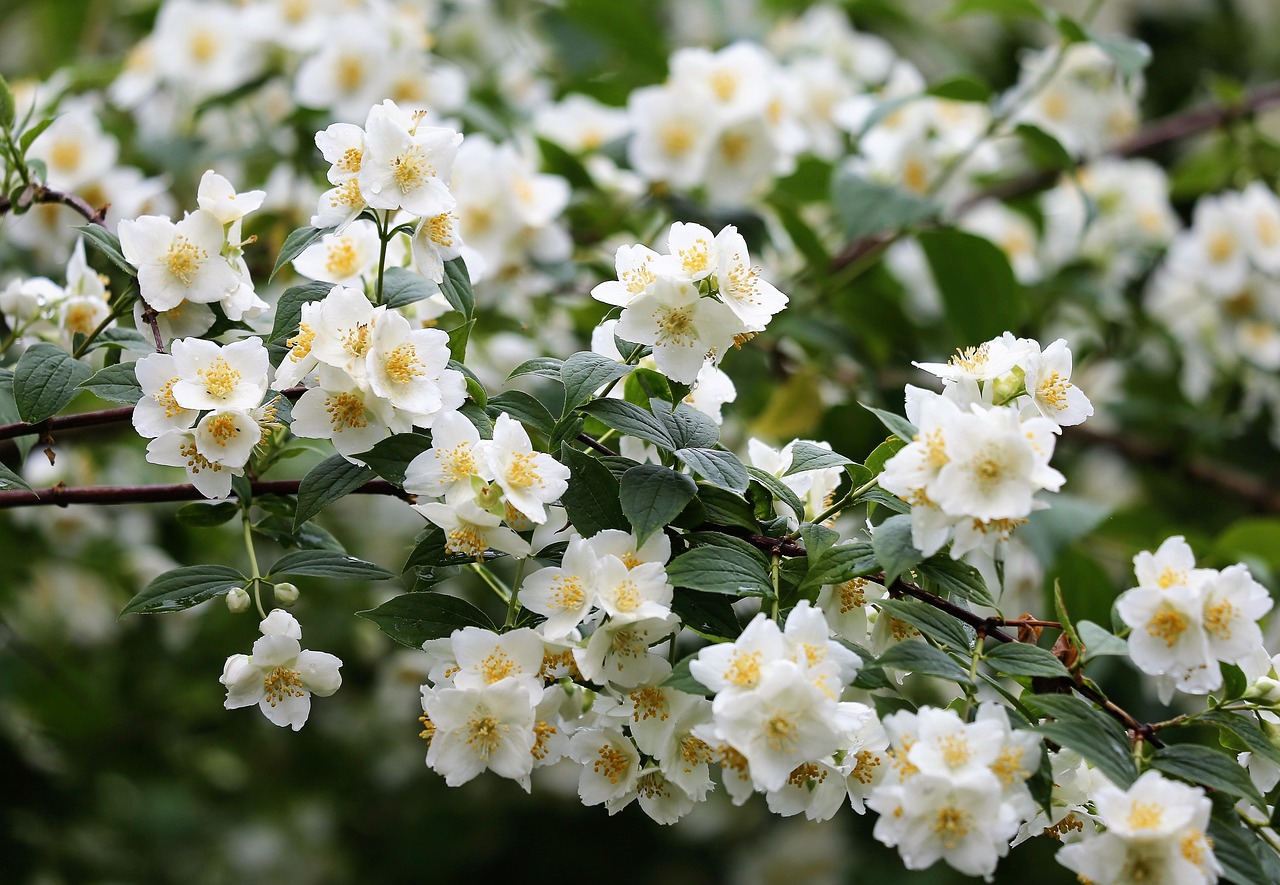
| Jasmine Jasminum |

Star Jasmine
| I love working with many climbers, such as Wisteria, trumpet creeper, climbing hydrangea, honeysuckle, and clematis, but one I truly love is Jasmine! |

| Jasmine, belonging to the Jasminum genus, includes about 200 species of flowering shrubs and vines in the olive family. These plants originate from warmer parts of Eurasia, Africa, and Oceania. Jasmines are best known for their enchanting, star-shaped flowers. These blooms, usually white or yellow, though some may be pink, are a sight to behold, adding a touch of magic to any garden. Jasmines are incredibly versatile in their growth patterns. They can be upright, spreading, or climbing, offering a range of possibilities for your garden design. They can shed their leaves or stay green year-round, and their leaves come in different forms, including simple, three-parted, or feather-like arrangements, adding a unique touch to your green space. The flowers are small, about 2.5 cm wide, but stand out due to their strong scent. They may grow in clusters or appear independently, usually with four to nine petals. |
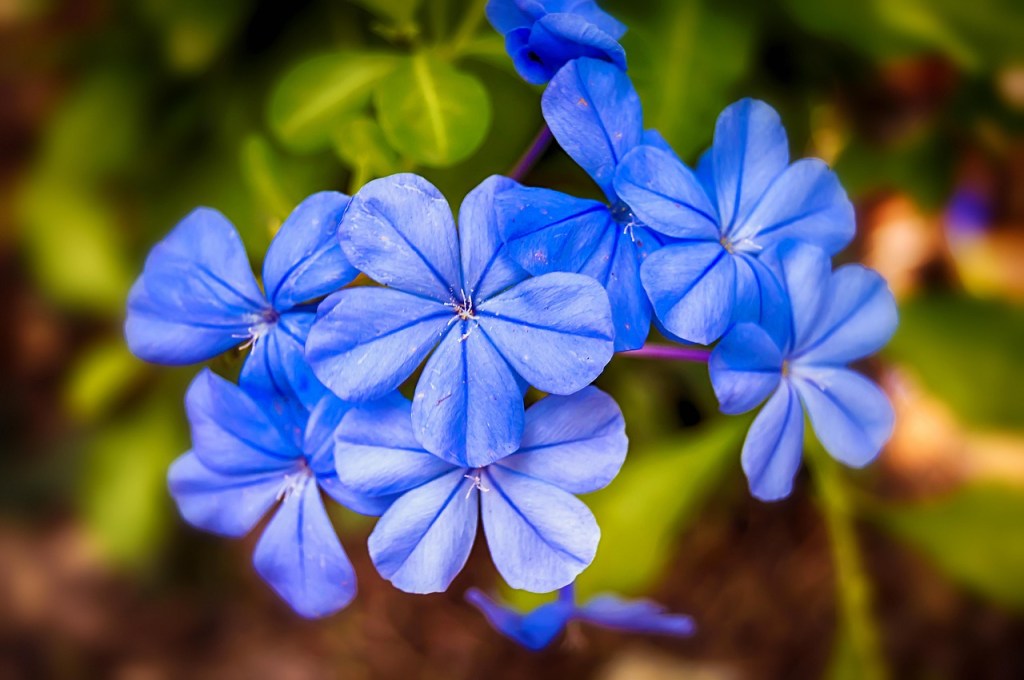
| There are several notable species: Common Jasmine (Jasminum officinale) has aromatic white flowers and is a garden favourite. Winter Jasmine (Jasminum nudiflorum) blooms with bright yellow flowers in the colder months, though it doesn’t have a scent. Arabian Jasmine (Jasminum sambac) produces strongly scented white flowers. It is essential in places like the Philippines, where it is the national flower and is often used in tea and perfume. |
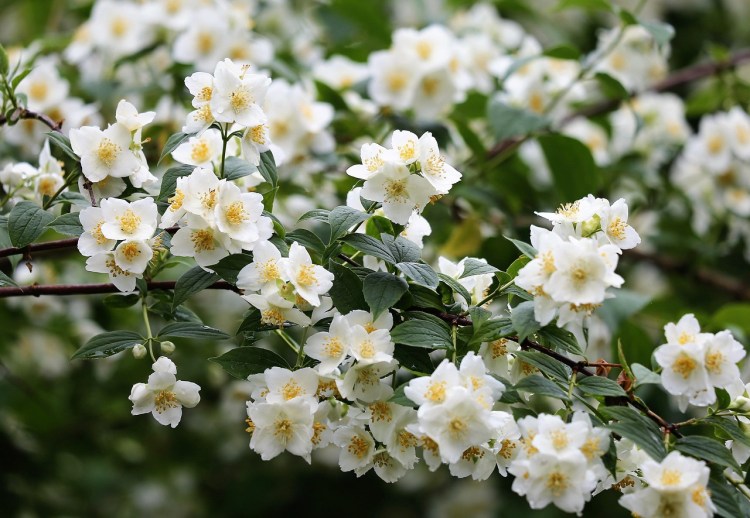
| Jasmines do well in sunny spots with well-drained soil and benefit from occasional pruning to stay healthy and neat. While many prefer warm climates, some types can handle the cold better. Culturally, jasmine is more than just a pretty plant. It holds significant symbolism in places like Syria and Indonesia, often tied to traditions and ceremonies. This rich cultural history adds a layer of intrigue and respect to the plant’s beauty. Overall, jasmine is loved globally for its scent, beauty, and cultural meaning, making it a treasured addition to gardens and rituals alike. |

| Symbol of Love and Purity: In many cultures, jasmine symbolizes love, purity, and beauty. It’s often used in weddings and religious ceremonies, especially in South and Southeast Asia. National Flower: Jasmine is the national flower of several countries, including the Philippines (Jasminum sambac) and Indonesia, where it plays a central role in cultural traditions. Not All Jasmines Are Fragrant: While most people associate jasmine with a sweet, strong fragrance, some species like Jasminum nudiflorum (Winter Jasmine) have no scent at all. Used in Perfumes and Teas: Jasmine’s powerful scent is a favorite in the perfume industry. It’s also infused into teas, particularly green and white tea blends, to add a floral aroma. Night Bloomer: Many jasmine varieties bloom in the evening or at night, when their scent is strongest—this helps attract nighttime pollinators like moths. Medicinal Uses: In traditional medicine, jasmine has been used for stress relief, as an aphrodisiac, and even to help with skin conditions and digestion. Adaptable Growth Habits: Jasmine plants can grow as vines, shrubs, or ground cover, making them versatile for different garden designs. Historical Importance: The city of Damascus, Syria, is often called the “City of Jasmine” because of how widely the plant is grown and appreciated there. Inspiring Poets and Artists: Jasmine has long been a source of inspiration in poetry, music, and visual art, thanks to its beauty and symbolism. Pollinator-Friendly: Jasmine flowers are excellent for attracting bees, butterflies, and other beneficial pollinators to your garden. |
 Earthly Comforts
Such beautiful plants, and with a lovely scent.
LikeLiked by 1 person
Yes they are Eugenia, they have an absolute divine scent 🙂
LikeLiked by 1 person