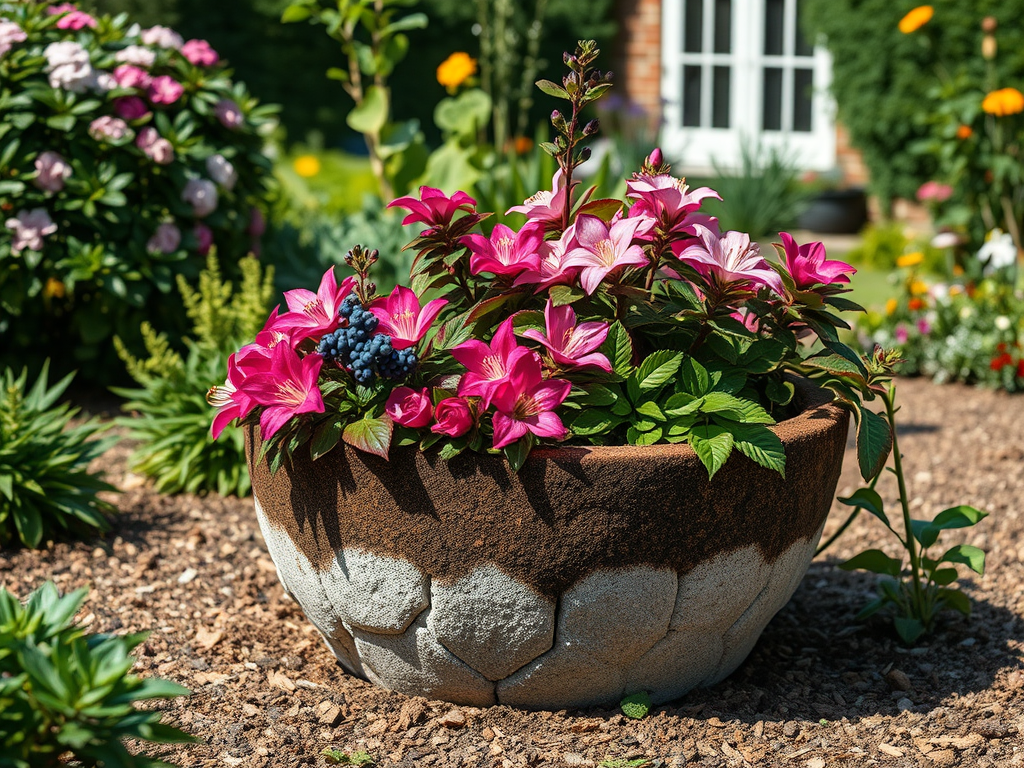
| Rooted in the Right Place: How Bottomless Pots and Ericaceous Compost Help Acid-Loving Plants Thrive in Alkaline Soil |
| Thriving in Alkaline Ground: Ericaceous Compost Vessels (With a Twist) For gardeners working with alkaline soil—like much of what we have here in Kent—it can be frustrating trying to grow acid-loving plants like rhododendrons, camellias, heathers, and blueberries. These plants need acidic conditions to absorb nutrients properly, and they’ll quickly suffer in chalky, clay or lime-rich ground. The solution? Ericaceous compost combined with a clever planting trick that gives your acid-lovers the best of both worlds: vessels with the bottoms cut out. Let’s explore how and why this works. First, What Is Ericaceous Compost? Ericaceous compost is a low-pH growing medium specially formulated for plants that prefer acidic soil. It’s typically used in pots or containers to isolate these sensitive plants from alkaline garden soils. But there’s a way to use it in the ground without completely shutting off root growth. The Vessel Method: Why and How Traditionally, ericaceous plants are grown in pots, tubs, or raised beds to keep them from alkaline soil. However, this can sometimes restrict root development if the plant becomes pot-bound. That’s where the bottomless pot trick comes in. Why Cut the Bottoms Off? Cutting the base out of a pot or container gives the plant access to deeper soil layers, encouraging natural root growth, while the sides of the pot continue to protect the root zone from alkaline contamination. Here’s how it helps: Encourages downward root development – The roots can grow deeper, helping anchor the plant better and access more moisture. Limits alkaline contact – The compost-filled sides of the pot keep lateral root growth within an acidic environment, buffering against the surrounding alkaline soil. Improves drainage – Especially useful in heavier soils, this setup prevents waterlogging and mimics a more natural growing condition. Supports larger, healthier plants – Over time, the plant can develop a more stable and self-sufficient root system without being “trapped” in a pot. How to Do It Choose a large plastic or terracotta pot—20L or bigger is ideal. Use a sharp knife or saw to remove the base (leave a 1–2 inch lip if desired for stability). Dig a hole in your garden slightly wider than the pot. Sink the pot into the ground so the rim sits just above soil level. Fill with ericaceous compost and plant your acid-loving specimen. Mulch with pine needles, bark, or leaf mould to help retain acidity. Bonus Tips Use rainwater to water these plants—tap water can be too alkaline, especially in hard-water regions. Add a slow-release ericaceous fertiliser in spring to support growth. Watch for root escape: if roots spread too far into the alkaline soil, consider refreshing the vessel or trimming around the perimeter. Final Thought If you’ve avoided acid-loving plants because of your alkaline soil, don’t write them off yet. With a bit of savvy planting—like using bottomless pots filled with ericaceous compost—you can create mini microclimates that allow these beautiful plants to thrive. This method strikes a balance: acidity where it counts, freedom where it helps. |
 Earthly Comforts