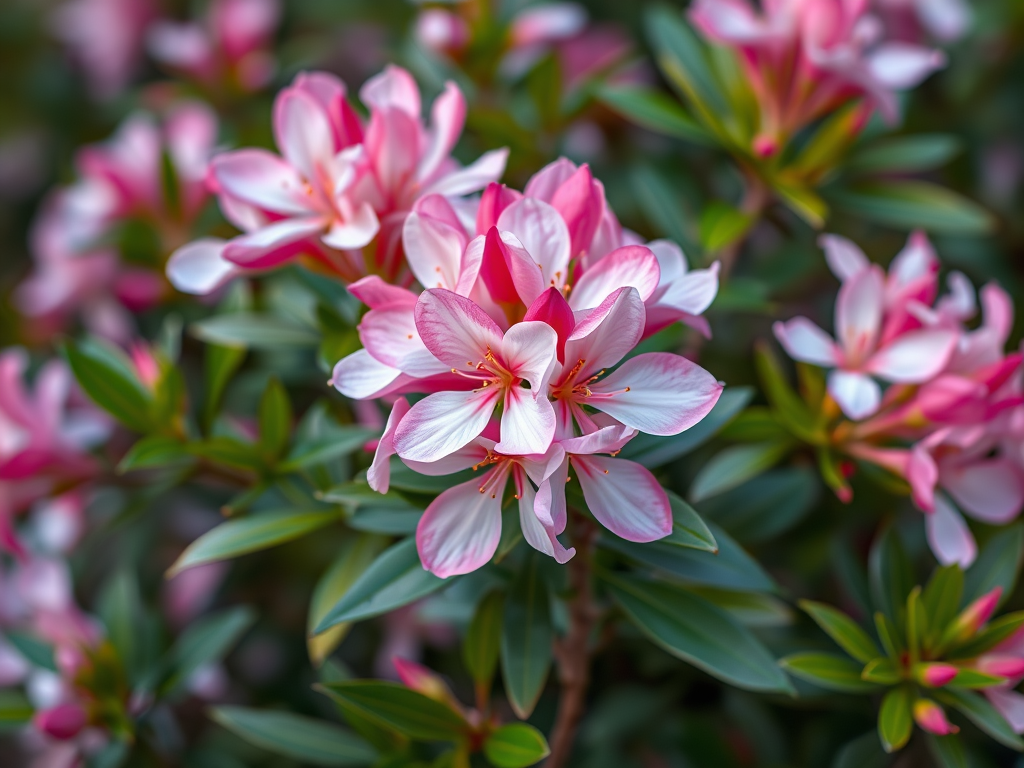

Oleander in full blossom
| Oleanders in the UK Garden I care for several oleanders in my clients’ gardens. While I find them attractive, they aren’t the most suitable choice for wildlife, offering limited ecological value for insects or birds. Oleanders also carry a high level of toxicity, which makes their placement particularly important—especially when planted in front gardens or areas accessible to the public. I often advise clients that these plants are better suited to more private spaces, such as back gardens, where the risk is reduced. Sometimes, this advice is taken on board; sometimes, it is not. |
| Nerium oleander is a striking evergreen shrub admired for its long flowering season and its ability to thrive in hot, dry climates. Native to the Mediterranean and Middle East, it has found a niche in UK gardens, particularly along the south coast and in sheltered urban areas. While not fully hardy in much of Britain, it makes an excellent container plant for patios, conservatories, and sunrooms. |
| Growing Oleanders in the UK Light Requirements Thrives in full sun – choose the warmest, sunniest spot you have. It will tolerate some light shade, but flowering will be reduced. Hardiness Not frost-hardy in most of the UK. Rated RHS H3–H4: may tolerate light frosts (down to around –5°C) with protection, but not prolonged cold. They are best grown in large containers so they can be moved into the shelter (like a conservatory, greenhouse, or porch) over winter. Soil & Compost Prefers free-draining compost – use a mix of John Innes No. 2 with added grit or perlite. When planting outdoors in coastal or southern gardens, ensure the site is well-sheltered with gravelly, well-drained soil. Watering During the growing season (spring to early autumn), water regularly, allowing the top layer to dry between waterings. In winter, water sparingly, just enough to keep the plant ticking over. Do not allow the roots to sit in wet compost – especially dangerous in cold conditions. Pruning & Upkeep When: Main pruning: late winter to early spring (March). Light trims and deadheading can be done throughout summer to encourage more blooms. How: Remove any frost-damaged or leggy growth. Thin out congested stems to improve air circulation. Cut back up to one-third of older stems to promote bushier growth. Use gloves – the sap is toxic and can irritate skin. Advanced Care Tips Feeding: Apply a high-potash liquid feed (like tomato feed) every 2–3 weeks from late spring through summer. Repotting: Every 2–3 years, refresh compost and upgrade pot size if needed. Pests to Watch for include red spider mites (especially indoors), scale insects, and mealybugs. Toxicity Warning All parts of the oleander plant are highly poisonous if ingested – this includes leaves, flowers, and sap. It can cause serious illness or death to humans, dogs, cats, and livestock. Never burn prunings – toxic fumes are released. Handle with gloves and keep out of the reach of children and pets. Where to Grow in the UK Ideal for containers on a sunny patio or balcony. It can be used as a temporary bedding plant in borders for summer, then lifted and overwintered under glass. It grows well in coastal areas such as Cornwall, Devon, and the Isle of Wight, where winters are generally milder. It can be trained as a standard or small tree with patience. |
| Folklore, History & Traditional Use Cultural Notes: In Mediterranean folklore, oleander symbolises beauty, danger, and endurance. In ancient Rome and Greece, it featured in garden design and mythic storytelling, often associated with mourning and protection. The Victorian “language of flowers” saw it as a symbol of caution or warning due to its beauty masking a deadly nature. Folk & Apothecary Lore: Historically used in folk medicine, but its use has always been risky and controversial. Oleander tea and extracts were sometimes used as heart remedies – now considered dangerous and obsolete. Its potent alkaloids have attracted significant interest from modern pharmaceuticals, particularly in experimental cancer research. |
| Fun Facts It can bloom from May to October in the UK, provided there is sufficient sunlight. Known as Laurier rose in French – literally “rose laurel”. Highly valued in Mediterranean landscaping for its toughness and low watering needs. Featured in literature and film as a symbol of deceptive beauty, most famously in White Oleander. |
Summary for UK Gardeners
| Feature | Detail |
|---|---|
| Position | Full sun, sheltered spot |
| Container growing | Strongly recommended |
| Winter care | Bring under cover (greenhouse, porch, conservatory) |
| Soil | Free-draining, gritty compost |
| Watering | Regular in summer, sparing in winter |
| Pruning | Late winter or early spring |
| Feeding | Tomato feed every 2–3 weeks in growing season |
| Toxicity | Very toxic – handle with care |
 Earthly Comforts