
| My undergardener asked me a question the other day that l thought would make for a good topic – where do all the fruits we have in gardens and allotments hail from? |
| Where Do Our Favourite Fruits Come From? A Journey Through the Origins of the UK’s Fruiting Trees and Shrubs When you bite into a crisp apple or pluck a juicy raspberry from the garden, you’re enjoying the fruits of a global history. Many of the trees, bushes, and shrubs we now consider staples in UK gardens come from far-flung corners of the world. Thanks to centuries of trade, plant breeding, and a bit of gardening ingenuity, we now grow an incredible variety of fruit right here on British soil. Let’s take a closer look at where these plants originally came from—and why some require specific growing conditions, such as acidic soil or sheltered microclimates. |
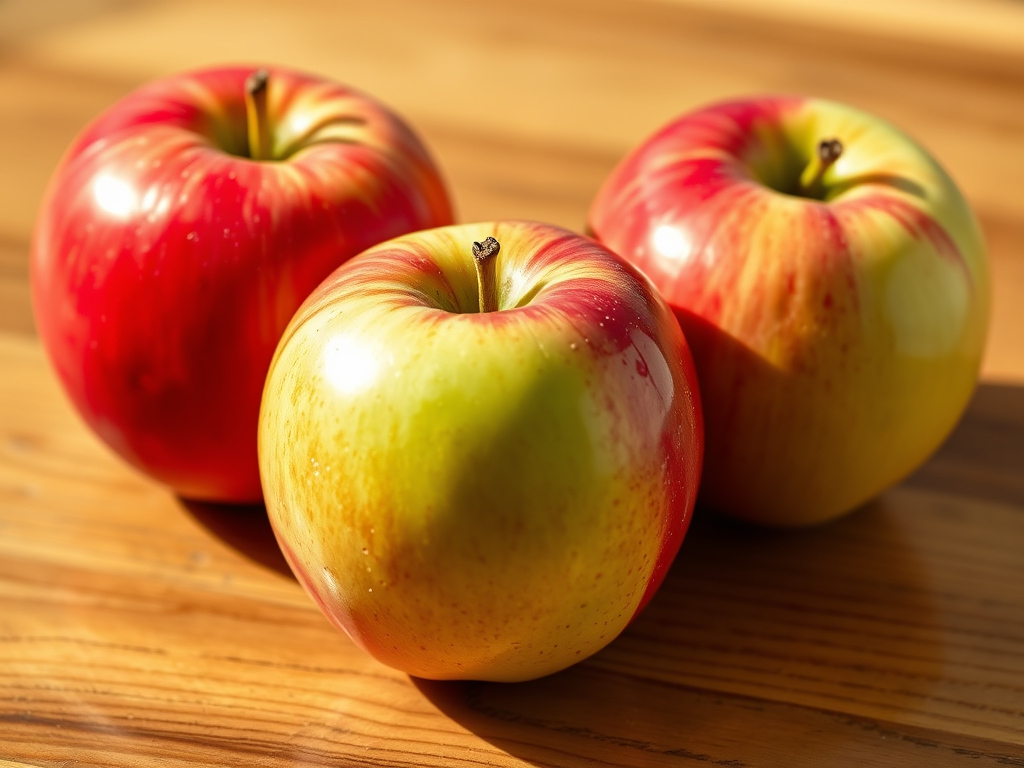
| Fruit with Ancient Roots Apples Apples trace their origins back to Central Asia, around modern-day Kazakhstan. The Romans introduced them to Britain, and since then, countless varieties have been bred here for flavour, storage, and disease resistance. Pears Like apples, pears arrived with the Romans. Native to Europe and western Asia, they flourish in the UK’s mild climate—especially in warmer microclimates. Plums & Cherries Plums have origins in Europe, Asia, and North America, while cherries (both sweet and sour types) originate from Europe and Western Asia. Today, they’re garden favourites throughout the UK. |
| Fruits That Feel Right at Home Gooseberries & Blackcurrants These are true northern European natives, perfectly adapted to the UK’s cooler, damper conditions. Gooseberries, in particular, can handle shade and colder spots. Raspberries Though native to Europe and Asia, many modern raspberries are hybrids with North American species to boost their vigour and disease resistance. Blueberries: Why Acidic Soil Matters Blueberries originated in North America and thrive in acidic soil (pH 4.5–5.5). That’s because they evolved in woodland environments with naturally low pH levels. Acidic soil helps them absorb iron and other nutrients—without it, their leaves turn yellow and growth stalls. In the UK, they’re often grown in containers filled with ericaceous compost to keep them healthy and happy. |
| Mediterranean and Exotic Guests Figs Native to the Middle East and Mediterranean, figs do surprisingly well in the UK if grown against a sunny, sheltered wall. Restricting their roots encourages more fruit. Pomegranates Originally from Iran and India, pomegranates prefer warm, dry summers. While full ripening is challenging in most parts of the UK, they can be grown ornamentally or in greenhouses. Persimmons (Kaki fruit) These sweet fruits come from East Asia. Hardy varieties, such as Diospyros kaki, can survive in milder parts of the UK. They ripen late in the year and must be soft before eating. Muscadines A type of grape native to the southeastern US, muscadines prefer heat and humidity. They’re less common in the UK but can be grown in greenhouses. They’re packed with antioxidants and have thick, chewy skins. |
| The Story of the Strawberry The wild strawberry (Fragaria vesca) is native to the UK. But the strawberries we enjoy today—the big, juicy ones—are a hybrid created in 18th-century France by crossing two species from North and South America. This hybridisation gave us the perfect balance of flavour and size. British-Bred Berries Tayberries Created in Scotland in 1979 and named after the River Tay, tayberries are a cross between a blackberry and a raspberry. They’re sweet, aromatic, and larger than a raspberry. Loganberries An accidental American hybrid from the 1880s, loganberries are a cross between a North American blackberry and a European raspberry. They’re vigorous growers with a sharp, tangy bite—ideal for jams and pies. |
| Historical Fruits with a Story Quinces From the Middle East and the Caucasus, quinces were a medieval favourite in the UK. Their hard, aromatic fruit is perfect for jelly and preserves. Mulberries Brought from China with hopes of starting a British silk industry (which didn’t take off), mulberries now grow in many historic gardens and old orchards. Medlars Introduced by the Romans, medlars must be “bletted” (softened by frost or storage) before they’re edible. They have a rich, spiced flavour, somewhere between apple purée and dates. Growing Tips & Curiosities Acidic soil is crucial for blueberries and other ericaceous plants to absorb essential nutrients, such as iron and manganese. Pollination partners: Many fruit trees (like apples and pears) need a compatible nearby variety to produce good fruit. Climate tricks: Sunny walls, sheltered spots, and containers can make it possible to grow even exotic fruits in the UK. Hybrid magic: Breeding between species (and even continents!) has helped improve taste, size, disease resistance, and yield. |
| Final Thoughts UK gardens today are a living museum of botanical travel and innovation. Whether you’re growing ancient medlars or modern blueberries, understanding a fruit’s origins helps you meet its needs—and adds a layer of wonder to every harvest. So the next time you enjoy homegrown fruit, remember: you’re tasting history. |
 Earthly Comforts