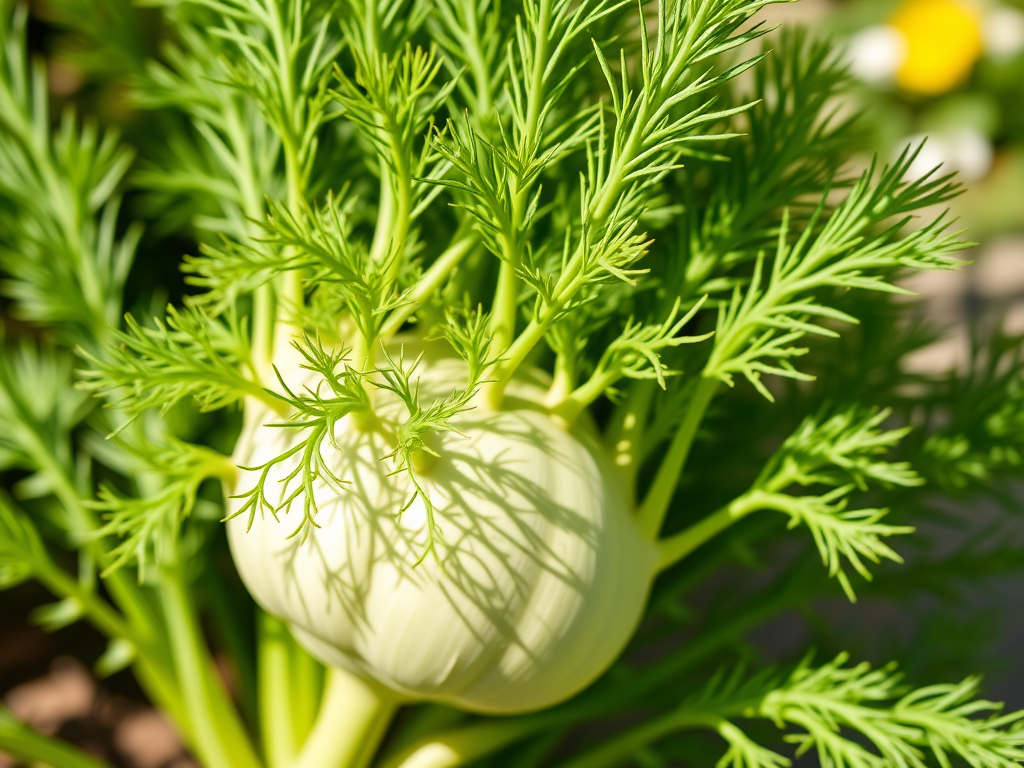


| Growing Fennel in the UK: Tips & Insights Fennel is a wonderfully aromatic plant that adds a touch of flair to both the garden and the kitchen. In the UK’s temperate climate, Florence fennel (for bulbs) and herb fennel (for fronds and seeds) can both do well—if you treat them right. |
| Right Plant, Right Place Fennel loves: Full sun – it needs plenty of light to bulk up. Free-draining soil – waterlogged roots are a no-go. A bit of space – especially Florence fennel, which needs elbow room to form its bulbs. Choose a sheltered spot, especially in windier or exposed gardens. The tall fronds can get battered by gales and tend to flop if not well-supported. |
| Sowing Time – The British Way In the UK, Florence fennel is best sown after the last frosts (late May or early June in most areas). This reduces the risk of bolting from cold shock. Sow directly where it’s to grow – fennel doesn’t transplant well. Keep rows 30cm apart and thin seedlings to 25cm spacing. Water the well during dry spells, especially in July and August, when bulbs are forming. You can also sow a second batch in July for a later autumn harvest—these often do better as the cooler nights reduce the risk of bolting. |
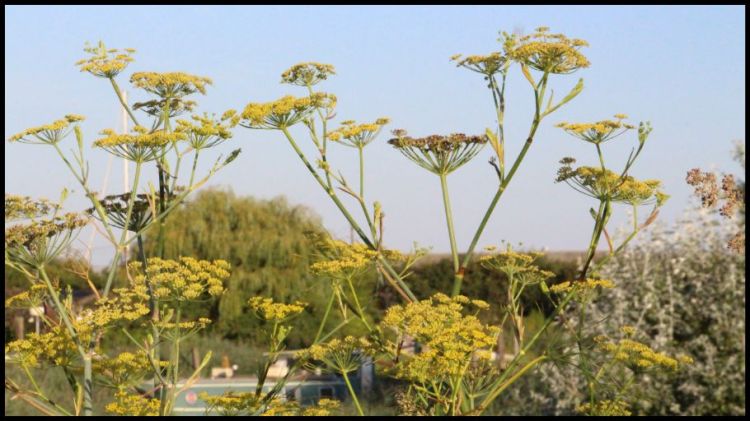
| Florence vs. Herb Fennel Florence fennel = the fat white bulb you cook with (like aniseed celery). Herb fennel = tall, airy, feathery, great for soft fronds and seeds. It grows more like a self-seeding perennial and doesn’t form bulbs. In a mixed or cottage garden, herb fennel is easier and more forgiving. It will happily self-seed if you let it, and the bronze variety looks stunning in borders. |
| Bolting: What to Watch Out For One of the main challenges with Florence fennel is bolting – sending up flowers too soon, which stops the bulb from developing. To avoid this: Don’t sow too early in spring. Keep soil moist but not soggy. Avoid root disturbance when thinning. Harvest before flower stalks appear. If it does bolt, don’t panic—leave it to flower, and you’ll attract hoverflies, bees, and other pollinators. Plus, the seeds are delicious in bread, curries, or tea. |
| Fun Facts & Folklore Roman soldiers consumed fennel to enhance their strength and mental clarity. The seeds aid digestion—chew a few after meals. Fennel is one of the few UK-hardy plants with an authentic Mediterranean vibe, making it perfect for relaxed, dry-style planting schemes. It’s allelopathic – meaning it can suppress the growth of neighbouring plants. Please keep it away from coriander, beans, or dill. The tall, ferny fronds make a brilliant natural screen in summer – or a gentle accent plant in wildlife-friendly planting. |
| My Observations (and a tip or two): In Kent’s relatively mild climate, you might get away with earlier sowings if sheltered. Fennel attracts ladybirds and lacewings – it’s a great companion plant for pest control if kept at a polite distance from other edibles. If your bulbs stay small, treat them like baby vegetables—slice them thin and roast them, or eat them raw in salads. |
 Earthly Comforts
Mmm – love finocchio – it doesn’t sound like a ‘market’ vegetable, maybe that’s why it’s so expensive in stores…
LikeLiked by 1 person
Yes, very much so Grace, it is expensive here, it’s not difficult to grow, but unlike other vegetables, it’s not simple either.
LikeLiked by 1 person