
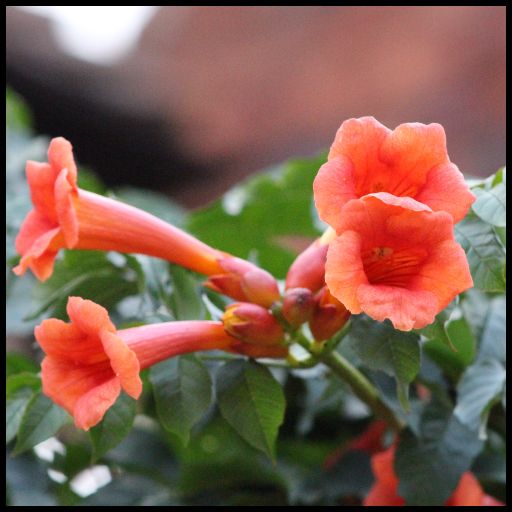


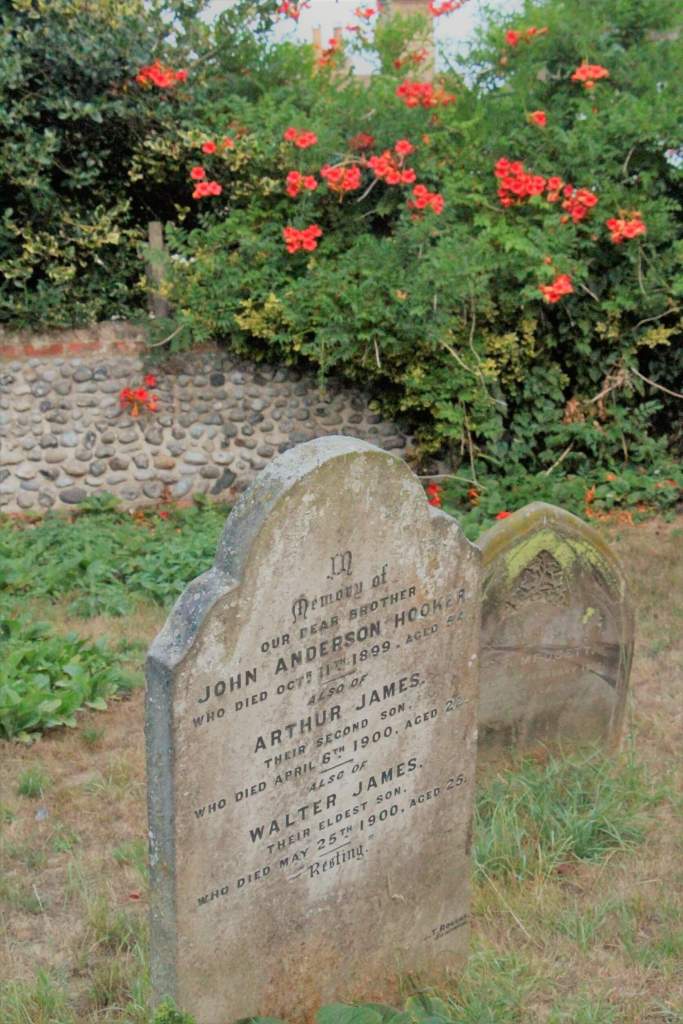

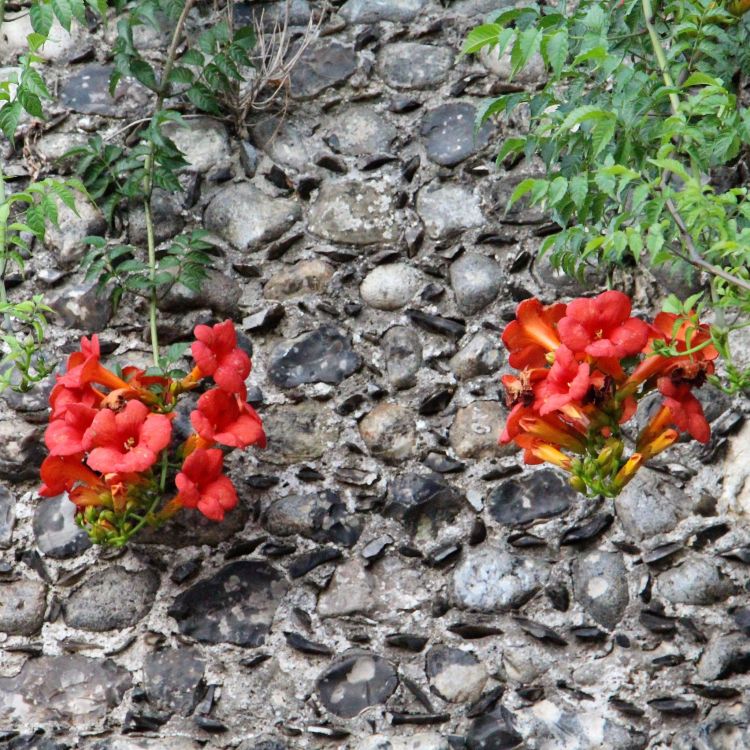
| Trumpet Creeper in the UK Garden: Exotic Blooms, Bold Growth Looking to add a burst of tropical drama to your British garden? Meet Trumpet Creeper (Campsis radicans)—a climber with personality. Native to the southeastern United States, this vigorous, deciduous vine is gaining popularity in the UK for its fiery blooms, wildlife appeal, and fast coverage of vertical spaces. But be warned: this is not your average climber. Trumpet Creeper has a wild streak that demands attention—and good pruning shears are essential! What Makes Trumpet Creeper Stand Out? From mid-summer through early autumn, Trumpet Creeper bursts into clusters of orange-red trumpet-shaped flowers, each up to 10 cm long. The blooms are a magnet for pollinators, especially bees, butterflies, and even the occasional hummingbird hawk-moth. The lush, pinnate foliage and bold blooms lend a tropical feel, ideal for jazzing up sun-drenched courtyards, brick walls, or garden structures. Where It Thrives in the UK Trumpet Creeper is best suited to southern and coastal regions or anywhere with a warm, sunny aspect. A south- or west-facing wall provides the heat and shelter it craves to flower well. It’s hardy down to around -15°C, but in cooler parts of the UK, it may grow more slowly or flowerless reliably. Planting and Care Tips Soil: Prefers well-drained soil; tolerates a range of soil types, including clay, loam, and sand. Sunlight: Needs full sun for flowering. Support: Provide strong structures, such as a trellis, arch, or pergola—avoid letting it cling to old renderings or fences. Watering: Keep the soil moist during the first season; drought-tolerant once mature. Pruning: Cut back hard in late winter or early spring to control size and encourage blooms. Necessary: Manage Its Growth Trumpet Creeper can spread via suckering roots and self-seed if not kept in check. In warmer southern gardens, it may throw up shoots several feet from the original planting spot. Contain its roots with barriers or raised beds, and check for rogue shoots throughout the season. Best Companions Pair it with: Echinacea or Rudbeckia for hot-colour harmony. Verbena bonariensis, also known as lavender, to boost pollinator traffic. Clematis viticella for a more delicate flowering partner. These combos create a balanced, wildlife-rich display with long-lasting seasonal appeal. Should You Grow It? Yes—if you want: Fast coverage of vertical space. Late summer blooms when other plants fade. Pollinator-friendly planting. A dramatic feature for a sunny wall or pergola. Avoid if you have a small or tightly packed garden where containment may be a struggle. In summary, Trumpet Creeper is a garden showstopper that offers bold colour and plenty of wildlife value. With the right spot and regular pruning, it can become a standout feature in UK gardens—just be prepared to keep it under control. |
Trumpet Creeper in the UK Garden: Exotic Blooms, Bold Growth

 Earthly Comforts