

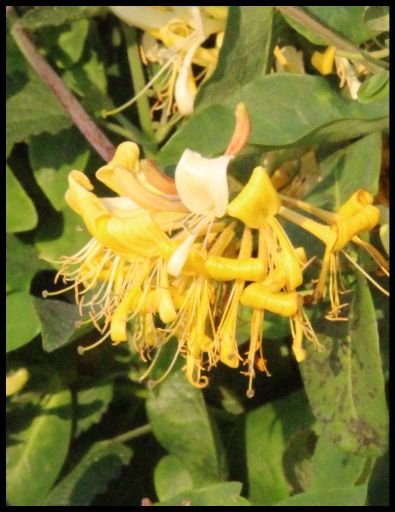

| Honeysuckle is a fascinating plant with a lot going on, from its sweet scent to its climbing nature and its use in traditional remedies. Here’s a detailed rundown in my own words: What is Honeysuckle? Honeysuckle is the common name for a group of plants in the Lonicera genus, comprising approximately 180 different species. These plants are known for their beautiful, fragrant flowers and vining or shrub-like growth habits. They often wind up fences and trellises or spill over garden walls. Appearance and Growth Most honeysuckle varieties are either climbing vines or sprawling shrubs. Depending on the species, the vines can proliferate and reach lengths up to 20 feet or more. They have long, thin stems that twine around other structures or plants for support. Leaves: Typically oval-shaped and arranged in pairs opposite each other on the stem. Some species have smooth leaves, while others have slightly fuzzy leaves. Flowers: Their flowers are the stars of the show. They usually come in pairs, often tubular or trumpet-shaped, and can be found in various colours, including white, yellow, pink, red, and orange. The blooms are not just pretty—they’re highly fragrant, especially in the evening, and attract pollinators like bees, butterflies, and hummingbirds. Fruit: After flowering, honeysuckles produce small berries that can be red, blue, or black. Some are edible, but others are mildly toxic to humans. Fragrance and Nectar The name “honeysuckle” comes from the sweet nectar in the flowers. As kids, some people like to pick the flowers, pull off the base, and suck out the drop of nectar. It’s a little burst of sweetness, like nature’s candy. Where It Grows Honeysuckle is native to many parts of the world, including North America, Europe, and Asia. It tends to grow best in temperate climates and likes a mix of sun and shade. It’s adaptable and can grow in various soil types, which is part of why some species have become invasive in certain regions. Invasive Varieties Not all honeysuckle is garden-friendly. Some non-native species, such as Japanese honeysuckle (Lonicera japonica), can be invasive, particularly in the southeastern United States. They grow aggressively, spread quickly, and can choke out native plants by blocking sunlight and taking up space. Uses and Benefits Ornamental: Honeysuckle is extremely popular in gardens for its attractive appearance and fragrance. It’s used in landscaping to cover trellises, fences, and arbours. Wildlife Habitat: It supports pollinators and provides food for birds and small animals. Traditional Medicine: In herbal medicine, especially in Chinese tradition, honeysuckle flowers have been used to make teas or tinctures to treat colds, infections, inflammation, and fevers. The most commonly used medicinal variety is Lonicera japonica. Aromatherapy and Skincare: Its scent is used in perfumes, lotions, and soaps, and honeysuckle extracts are sometimes added to skin products for their supposed anti-inflammatory or antimicrobial properties. Fun Facts Some species bloom in late spring to early summer, while others bloom intermittently for months. Due to its sweet scent and nectar, honeysuckle is often associated with love and affection in folklore and poetry. There are evergreen and deciduous species, so depending on the type, they may retain their leaves throughout the year or shed them in the fall. |
The Fascinating World of Honeysuckle

 Earthly Comforts
Such a beautiful plant, I love the fragrance.
LikeLiked by 1 person
Very much so Eugenia, especially the yellow dawn and dusk variety 🙂
LikeLiked by 1 person