
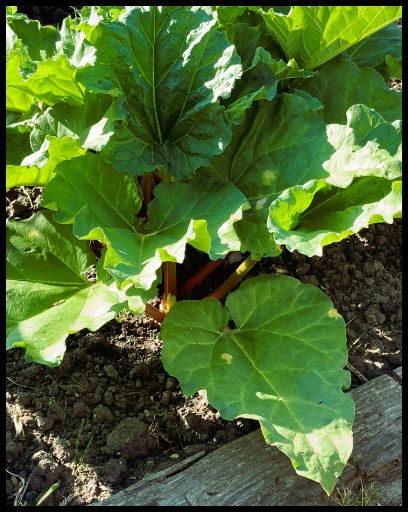
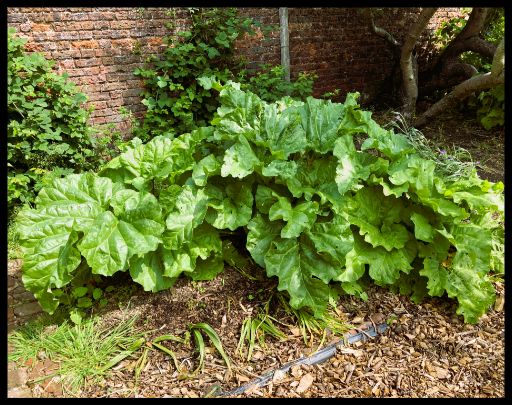

| Rhubarb in the UK: A Gardener’s Guide Rhubarb is a classic in British gardens—bold, architectural, and reliably tart in flavour. Though it’s technically a vegetable, it’s used like a fruit in crumbles, jams, and stews. Once settled, rhubarb is a generous, long-lived perennial—but getting it established takes care and patience. |
| Why Rhubarb Can Be Tricky to Grow Rhubarb isn’t tricky in the long run, but it is particular. Here’s why it can be hard: It needs patience Rhubarb takes a couple of years to establish before you can harvest much. Harvesting too soon weakens the Plant. It’s fussy about soil Rhubarb loves deep, fertile, well-drained soil rich in organic matter. It struggles in waterlogged or compacted ground. It doesn’t like being disturbed Once it’s planted, rhubarb prefers not to be moved. Frequent transplanting sets it back. It dislikes hot, dry weather While UK summers are usually mild, extended dry spells can cause stress to rhubarb. Consistent moisture is key. |
| The Easiest Way to Grow Rhubarb in the UK Follow these simple steps for success: Pick a good spot – Choose a sunny or lightly shaded area with excellent drainage. Prepare the soil – Dig in compost or well-rotted manure before planting. Start with a crown – Plant dormant rhubarb crowns (not seeds) in late autumn or early spring. Leave it alone in year one – Don’t harvest anything the first year to allow root establishment. Mulch and water – Apply mulch annually and keep well-watered during dry spells. Divide every 4–5 years – Lift and divide the crown to prevent overcrowding and boost vigour. |

| Rhubarb Troubleshooting Guide Even well-tended rhubarb can hit a few bumps. Here’s a guide to common problems and what to do: |
| Problem | Possible Cause | Solution |
|---|---|---|
| Stalks are thin and spindly | Plant is too young or overcrowded | Don’t harvest until year 2; divide crown every 4–5 years |
| Yellowing or wilting leaves | Water stress or poor drainage | Improve watering routine; lift and replant in better soil |
| Stalks are mushy or rotting | Crown rot due to waterlogged soil | Improve drainage; avoid overwatering |
| Flower stalks appearing (bolting) | Stress or age | Cut flower stalks off promptly; consider dividing the plant |
| Leaves have holes or damage | Slugs, snails, or vine weevils | Use organic slug controls; check for pests at night |
| Little growth in spring | Cold damage or exhausted crown | Wait for warmer weather; feed with compost or seaweed tonic |
| Red veins or distorted leaves | Virus infection (rare) | Remove and destroy affected plants; buy certified crowns |
| Important: Rhubarb leaves are toxic due to oxalic acid—don’t eat them, and compost with care. |
| Long-Term Reward Once it finds its feet, rhubarb can thrive with little fuss for over a decade. Its bold leaves and red stalks make it a striking addition to the garden, and its flavour is a cherished seasonal delight. Invest a bit of time and attention early on, and rhubarb will repay you for years to come. Would you like this adapted into a printable fact sheet, blog post, or included in your seasonal gardening newsletter? Let me know how you’d like to use it. |
 Earthly Comforts