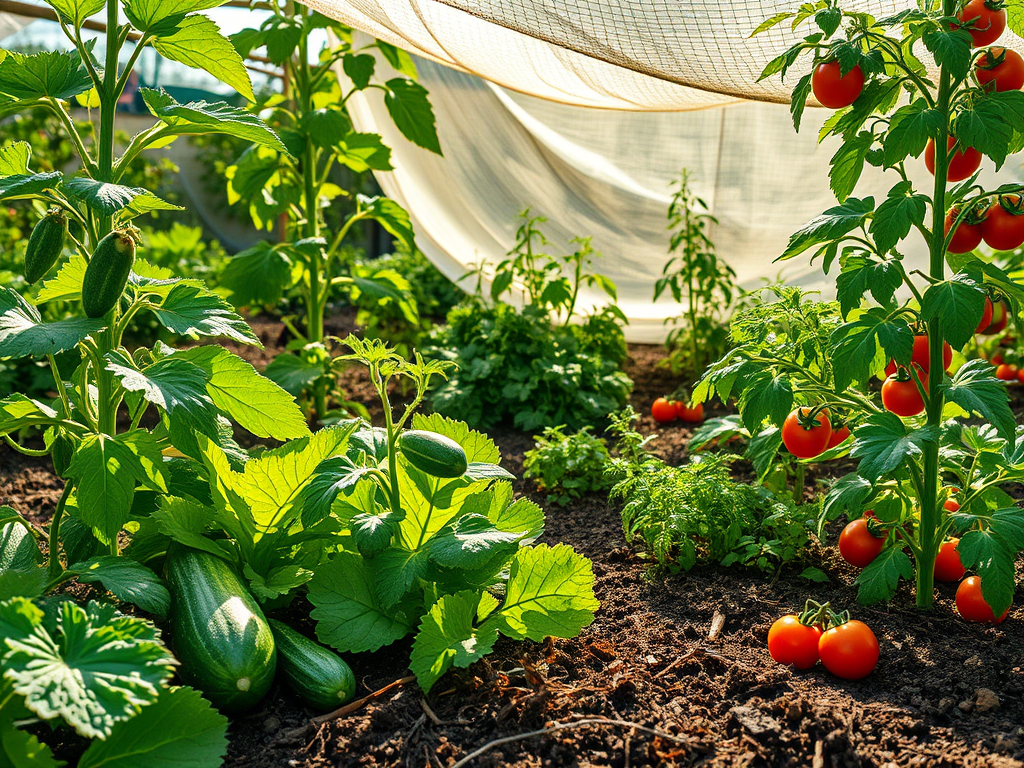
| Suze has been holding down the Plot 17 Allotment Fort. I was there very briefly last Sunday, early morning, before we started on a gardening clear-up—I did a few bits whilst Suze watered. She has done a cracking job with the allotment this year, which is just as well because I cannot assist her in any way during the spring to autumn season. Someone recently asked how challenging it was to grow vegetables on an allotment in the UK, given the changing climate and the continuing heatwaves we have experienced this year. Is it easy? No. I will write about some of my musings from that Sunday later; however, here are some Do’s and Don’ts for growing vegetables. Growing vegetables on a UK allotment during a heatwave can be challenging, but with the right approach, you can protect your crops and keep things thriving. Here’s a practical guide based on common-sense gardening and UK conditions: |
| ✅ DO’s 1. Water wisely (and early): If possible, water in the early morning. This reduces evaporation and helps plants absorb moisture before the heat peaks. Deep, infrequent watering is better than a daily sprinkle. Focus on the roots, not the leaves. 2. Mulch generously: Mulching with compost, straw, grass clippings, or bark helps retain soil moisture and cool roots. It also suppresses weeds, which compete for water. 3. Prioritise thirsty crops: Leafy greens (like lettuce and spinach), courgettes, cucumbers, and beans are especially vulnerable to heat stress. Prioritise these for your best watering efforts. 4. Use shade where needed: Temporary shade structures (netting, fleece, even old sheets) can protect tender crops like salad leaves or young seedlings from scorching sun. 5. Check pots and raised beds often: They dry out faster than open ground. Water containers twice daily if needed, and move them to partial shade if possible. 6. Harvest regularly: Pick produce like courgettes, beans, and tomatoes frequently to reduce stress on the plant and encourage continued cropping. 7. Look after your soil: Soil health is key in drought. Adding organic matter improves its ability to hold moisture, so feed it long-term with compost or well-rotted manure. 8. Use water butts and save water: Capture rain when you can, and recycle “greywater” (like washing-up water) on non-edible plants or paths—provided it’s eco-friendly. |
| ❌ DON’Ts 1. Don’t water in the heat of the day: It’s wasteful—most of it evaporates, and water droplets on leaves can magnify sunlight and scorch plants. 2. Don’t plant new crops at midday: Transplant or sow in the cooler hours (early morning or evening) to avoid shocking young seedlings. 3. Don’t over-fertilise: During a heatwave, plants under stress don’t need a growth spurt, and too much nitrogen can make things worse. 4. Don’t leave bare soil exposed: Unmulched soil loses moisture fast and can develop a hard crust. Always aim to cover the soil with plants or mulch. 5. Don’t assume all plants need the same care: Mediterranean crops like tomatoes and peppers cope well with heat but need consistent watering to prevent problems like blossom-end rot. 6. Don’t panic over a bit of wilting: Some plants wilt temporarily in the heat to reduce water loss, but bounce back in the evening. Only water if they’re still limp by morning. |
| Bonus Tips: Keep yourself safe: wear a hat, take water, and avoid working during the hottest part of the day (typically 12–3 p.m., although in recent times, the heat has started much earlier and continued for much longer). Watch for pests—heat can bring out aphids, red spider mites, and other unwelcome visitors. |
 Earthly Comforts