

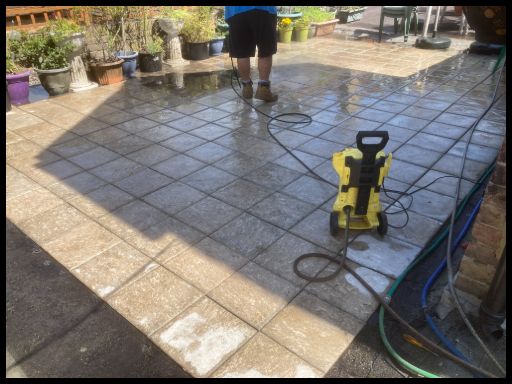
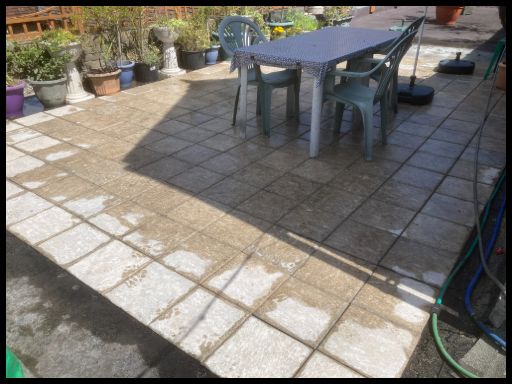
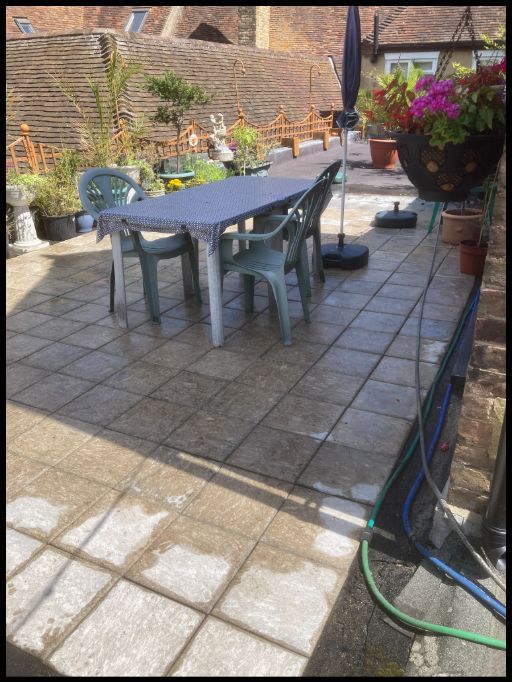
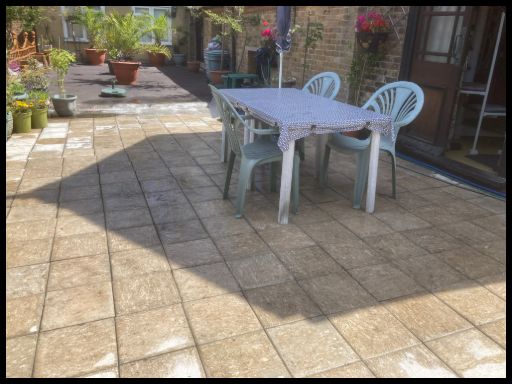

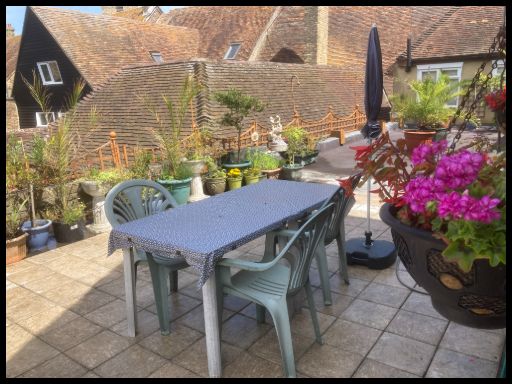
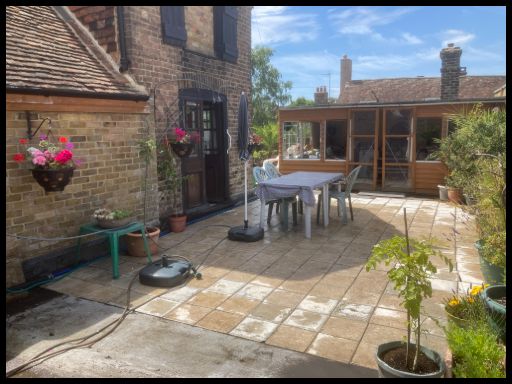
| The patio above is one that we did in July on a rooftop garden here in Sandwich. You can see the difference between washed and unwashed is significant. |
| This season, I have been power washing more driveways and patios for my clients. However, is it worth it? Are there advantages or disadvantages? I think l am a very careful washer as l am especially conscious of wildlife and alsways ask all of my clients if it is a power washing they need or just a hose over. |
| Power washing a driveway or patio can significantly improve the appearance and Longevity of outdoor hard surfaces. However, for an organic or eco-conscious gardener like yourself, it’s essential to understand both the how and why — including the benefits and drawbacks — especially from a sustainable, environmentally responsible angle. |
| The Benefits of Power Washing a Driveway or Patio 1. Restores Appearance Removes dirt, moss, algae, lichen, and staining caused by weather, pollution, and foot/vehicle traffic. Brightens paving, bringing out its original colour and texture. Instant visual uplift for kerb appeal and garden presentation. 2. Improves Safety Clears slippery surfaces, especially mossy or algae-covered slabs, reducing the risk of slips and falls — especially helpful in damp climates. 3. Extends Lifespan Prevents moss and weeds from breaking down joints or encouraging cracks in mortar or blocks. Removes organic buildup that holds moisture and causes frost damage in winter. 4. Prepares Surfaces for Other Treatments Provides a clean slate for sealing, repainting, staining, or even wildlife-friendly treatments like sand infill with crushed oyster shells or natural jointing sand. |
| The Downsides (and Organic Considerations) 1. Disturbance to Ecosystems High-pressure jets can displace beneficial insects, mosses, and lichens, which play essential roles in garden ecology. Soil and seed displacement near patios can disrupt borders or encourage erosion. 2. Water Use Pressure washing can use 8–15 litres per minute. Without a water butt or greywater system, that’s a significant environmental cost. Not ideal during hosepipe bans or water-scarce months. 3. Risk to Surface Integrity Incorrect technique or too much pressure can etch softer stones, damage mortar or grout, or drive water underneath slabs, leading to frost heave or subsidence. Can lift jointing sand from block paving, leaving gaps for weeds to return. 4. Noise and Disruption Power washers are noisy, disturbing neighbours, pets, and wildlife. Early morning or evening use is not recommended. |
| How to Power Wash Organically and Responsibly 1. Prep Thoughtfully Sweep loose debris first to reduce clogging and increase efficiency. Remove weeds manually from joints beforehand, or use a manual wire brush. 2. Use a Low-Toxicity Method Avoid chemical cleaners and moss killers. These often contain biocides harmful to aquatic life and soil biodiversity. Instead, use hot water pressure washers if available. Heat breaks down algae and grime more effectively without detergent. Optional Natural Cleaners: A vinegar and water solution (if the runoff won’t reach plants). A mild castile soap (biodegradable and plant-safe) diluted sufficiently in water. 3. Work with the Right Tools Use a fan tip or rotary patio cleaner head to reduce damage and splash. Keep the lance at a consistent angle (30–45°) and distance (20–30cm) from the surface. Avoid directly jetting into cracks, plants, or edges. 4. Collect Runoff Where Possible Sweep up dislodged debris promptly. Use barriers to direct dirty water away from flowerbeds or storm drains. 5. Re-sand and Restore Once dry, repoint or brush in fresh jointing sand to protect paving from weed regrowth and water damage. Consider eco-friendly jointing compounds or materials like clay fines or crushed limestone sand. |
| Eco-Friendly Aftercare Tips Apply a natural moss deterrent, such as potassium bicarbonate spray, or allow nature to recolonise gently. Encourage low-growing moss or thyme between paving if a bit of green is welcome — it adds charm and ecological value. Sweep regularly to prevent grime buildup and reduce the need for power washing in the future. Mulch edges with bark or compost to suppress weed regrowth around paved areas. |
Summary: Is It Worth It?
| Aspect | Organic-Friendly? | Notes |
|---|---|---|
| Visual Refresh | ✅ | Great for spring spruce-ups or selling a property. |
| Eco Impact | ⚠️ | Use minimally and mind runoff/water use. |
| Safety & Longevity | ✅ | Helps prevent slips and extends patio life. |
| Wildlife Friendly? | ❌ unless careful | Avoid jetting in spring when insects are active. Sweep gently beforehand. |
 Earthly Comforts
Good advice, Rory. Thank you for sharing.
LikeLiked by 1 person