
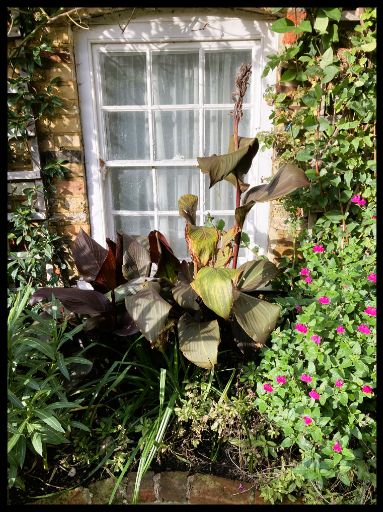
| Canna Lilies (Canna spp.) Bring the Tropics Home with Canna Lilies Canna lilies are a vibrant favourite among gardeners looking to add striking colour, lush structure, and a dash of the exotic to their outdoor spaces. Though not true lilies, these dramatic bloomers hail from the tropical and subtropical regions of the Americas and belong to the Cannaceae family. Celebrated for their bold presence and dependable performance, canna lilies thrive just as beautifully in garden beds and borders as in containers or beside water features. |
| At a Glance Botanical Family: Cannaceae Type: Rhizomatous perennial (grown as annual in colder climates) Origin: Central and South America, West Indies Bloom Time: Mid-summer through to the first frosts Lifespan: Perennial in warm climates; rhizomes can be stored and replanted annually elsewhere Key Features Blooms: Large, flamboyant flowers appear in vibrant shades of red, orange, yellow, pink, and coral. Some varieties display unique bi-coloured or ruffled petals, adding extra drama. Foliage: Banana-like leaves create a lush, tropical backdrop. Colours range from classic green to dramatic purples, bronzes, and striped variegated patterns. Growth Habit & Size: Plants typically reach 2–6 feet, though dwarf varieties stay under 3 feet and tall cultivars can top 8 feet. |
| Growing Conditions Light Full sun is essential—at least 6 hours daily. In partial shade, flowering may be reduced. Soil Prefers rich, humus-laden, well-draining soil. Amend poor soils with compost or well-rotted manure. pH range: slightly acidic to neutral (6.0–7.0). Watering Moisture-loving but not tolerant of soggy roots. Ideal for rain gardens, low-lying areas, or beside water features. In containers, water daily during summer heat. Temperature Thrives in temperatures above 50°F (10°C). Frost-sensitive: In the UK, they are best treated as tender perennials. Fertilisation Feed monthly with a balanced liquid fertiliser or apply slow-release granules in spring. Potassium-rich feeds enhance flowering. |
| Planting & Care Planting Rhizomes Plant in spring after the last frost, 4–6 inches deep with eyes facing up. Space 12–24 inches apart, depending on variety. Water thoroughly after planting and mulch to retain moisture and suppress weeds. Ongoing Care Deadhead faded blooms to encourage continuous flowering. Cut back flower stalks to the base when spent. Stake tall varieties in exposed sites. Overwintering in Cool Climates In zones below USDA 7 (or UK climates), dig up rhizomes after the first frost:Cut back top growth to 4–6 inches. Gently lift the rhizomes, shake off the soil, and dry them in a cool, airy spot for a few days. Store in sand, peat, or dry compost in a frost-free shed or garage (ideally 5–10°C). Replant in spring or start indoors in pots for a head start. Propagation Division: The easiest and most common method. Divide rhizomes in spring, ensuring each piece has at least one healthy “eye.” Seeds: Can be started indoors, but germination is slow. Seeds must be scarified (nicked or soaked) before sowing. Pests & Diseases Generally robust, but watch for:Aphids – Can distort new growth; treat with insecticidal soap. Spider mites – Thrive in dry conditions; mist plants regularly or use neem oil. Japanese beetles – Can skeletonise foliage; hand-pick or use traps. Rust or fungal leaf spot – Improve air circulation and avoid overhead watering. Garden Design & Uses Canna lilies are popular in formal and tropical-themed gardens due to their vertical form and flamboyant presence. Landscaping Ideas Borders & Beds: Plant in clusters or drifts for maximum visual impact. Tropical or Jungle Gardens: Pair with colocasia (elephant ears), bananas (Musa spp.), castor bean, or hibiscus. Containers: Use dwarf or medium-sized varieties. Choose large, sturdy pots with good drainage. Water Features: Canna ‘Australia’ and other moisture-tolerant varieties thrive near ponds or in boggy areas. Wildlife Gardens: Their nectar-rich flowers attract hummingbirds, bees, and butterflies. Companion Planting Canna lilies pair well with: Salvias – for spikes of purple or blue Grasses – for texture contrast Zinnias, cosmos, or dahlias – for bold colour combinations Sweet potato vine (Ipomoea batatas) – as a trailing companion in pots |
| Cultural and Historical Notes In South America and Asia, canna rhizomes produce a starch similar to arrowroot, Canna starch. The plant has been cultivated for centuries for ornamental and practical purposes, including weaving material from fibrous stems. In some cultures, Canna leaves were historically used to wrap food or even as plates. Quick Tips for Success Start indoors in pots in early spring for faster blooms. Keep well-fed and watered for best performance. Don’t overcrowd—good airflow prevents fungal issues. Use mulch generously in summer and lift rhizomes in autumn unless growing in frost-free areas. |
 Earthly Comforts