
| For most of 2025, I’ve been largely absent from Plot 17. Suze and I share the allotment work, but running and expanding my gardening business—Earthly Comforts—has kept my energy elsewhere. With so much time devoted to development, recruitment, marketing, research, and the relentless physical work, we decided that whenever I took time off, it would truly be a break. I could rest, even if only minimally, while Suze managed the plot. We also agreed that while I wouldn’t be around during the main growing season, I would return in winter to assist with repairs and utility work. Thanks to Suze’s dedication, the plot has continued to thrive. Despite a wildly unpredictable year—heatwaves, high humidity, torrential rain, flooding, tropical storms, and heavy frosts—she’s pulled off a remarkable season. It’s been no small feat. Although I haven’t worked the allotment directly, gardening elsewhere through the same harsh weather has kept me aware of the challenges. Over the past five weeks alone, Suze has brought home trug-loads of produce: a range of summer vegetables, berries, and leafy greens. And we’re not done yet—still to come are even more late-season crops. We approached the plot differently this year compared to when we began in September 2022. We prepared for our first official growing season in 2023. The layout shifted again in 2024, and in 2025, we made more significant changes. What we’ve learned this season means 2026 will look very different. We reduced the number of crops this year, but it still wasn’t enough. Next year, we’ll space things out further. Instead of squeezing two plants into a small bed, we’ll grow one. Larger beds will host four to six plants, not eight to ten. Yields may dip slightly, but each plant will have better airflow, more water, and the space it needs. Unfortunately, we were unable to properly establish our perennial crops this year—we simply couldn’t obtain enough stock to make it viable. But we’re holding out hope that next season will allow us to make headway there. You can see from the gallery below that 17 is looking sharp and full of energetic life! This season has been unusual. We experienced many significant and challenging weather events. It has made me think about what the future of allotment gardening might hold for British allotmenteers. |
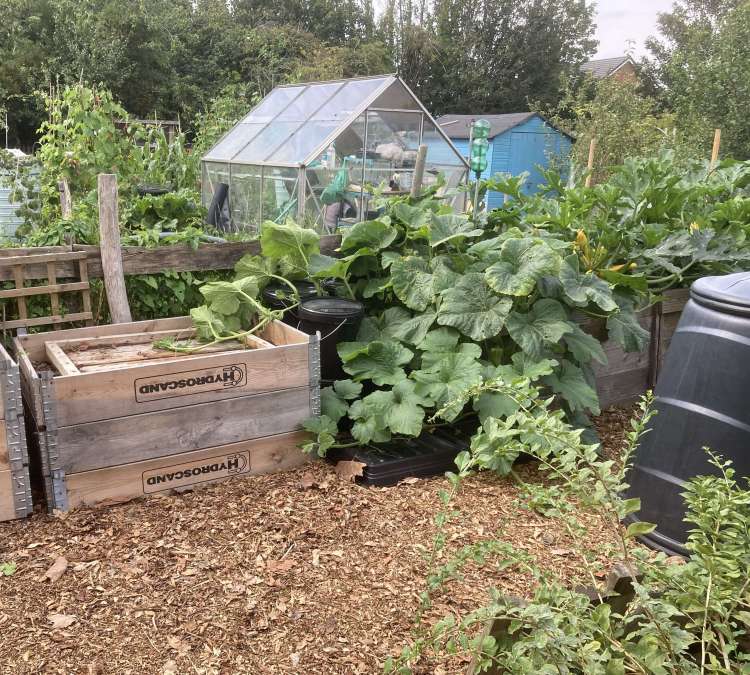
Overgrown and wild Courgettes 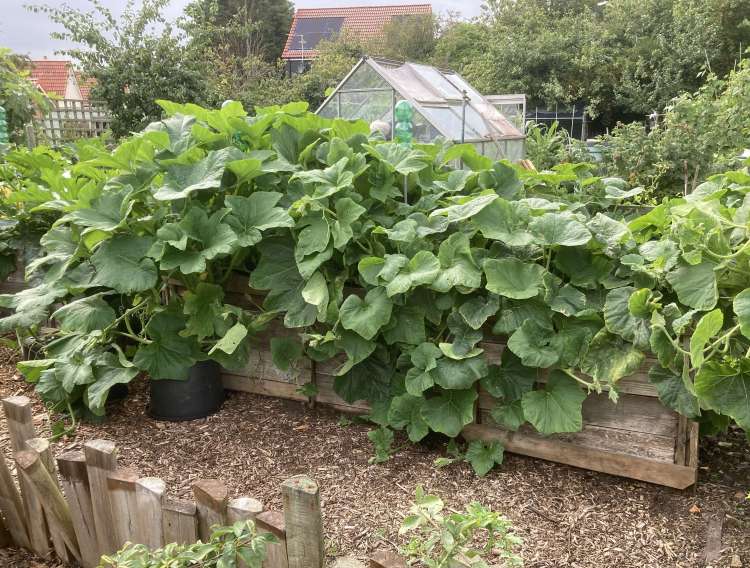
Overgrown and wild Courgettes 
Overgrown and wild Courgettes – yellow and green 
Butternut Squash 
Cucumbers 
Basil 
Peppers, Tomatoes and Lemon Grass 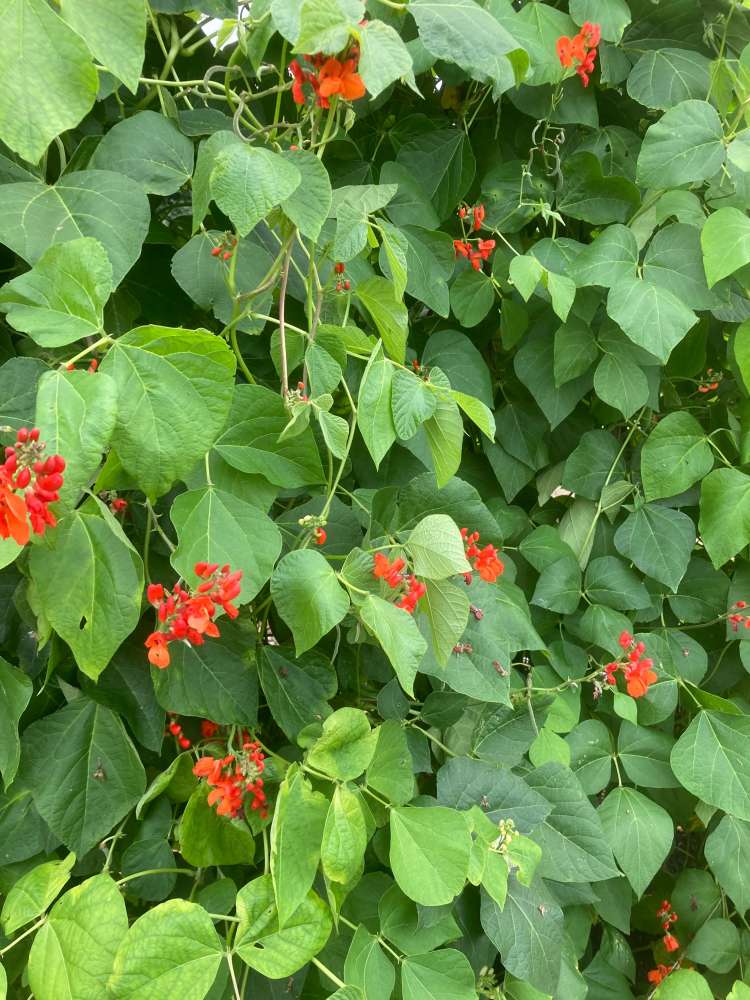
Runner Beans 
Green Beans 
Five empty beds ready for 2026 
Thornless Blackberry 
Mammoth Rhubarb bush and Tree Spinach 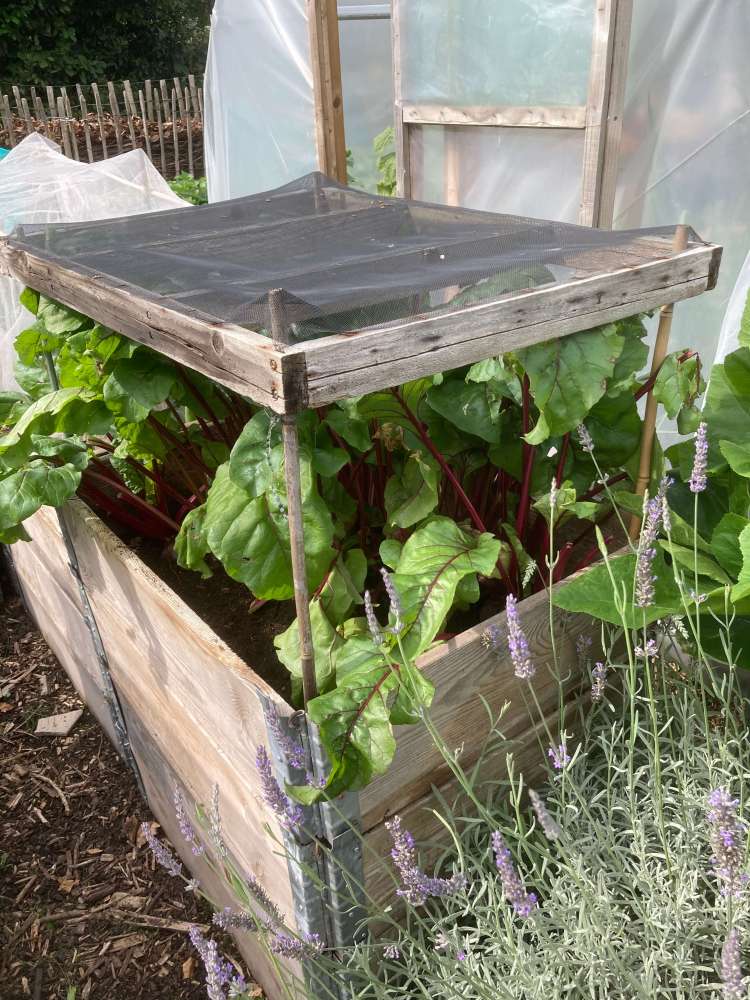
Beetroot 
Red Cabbage 
Runner Beans 
Asparagus and Strawberry 
Green Beans 
Lavender and Kale 
Sweet Potatoes 
Sweet Potatoes 
Peppers
| Changing Weather Patterns in East Kent (Jan–Jul 2025) East Kent has seen significant shifts in weather so far this year: Wet start to the year (Jan–Feb): Soils were well saturated due to above-average rainfall. Exceptionally dry spring (Mar–May): One of the driest on record, with higher-than-usual temperatures (+1.4°C) and sunshine levels (+43%). Record-breaking June heat: England experienced its hottest June on record, with frequent highs exceeding 30°C. Falling reservoir levels: Water stocks dropped to around 75%, raising the likelihood of hosepipe bans. These patterns indicate a shift toward a Mediterranean-style climate in East Kent, characterized by damp winters and increasingly hot, dry summers. |
| What This Means for Growers Plants with shallow roots or tender young growth are more vulnerable to drought. Sudden temperature spikes and erratic rainfall make it more challenging to adhere to traditional sowing and harvesting times. Warmer weather encourages pests like aphids, increases fungal problems, and exacerbates sun damage. Reliable access to water is becoming essential—gardens and plots need to be planned with resilience in mind. |
| Crops Suited to a Hotter, Drier East Kent Heat- and Drought-Friendly Vegetables Tomatoes (especially bush types): They love the warmth and require less watering support than cordon varieties. Peppers and Chillies: They adapt well once established and are ideal for pots or warm borders. Aubergines: Heat-lovers that benefit from regular feeding. Courgettes: Fast growers—keep them mulched to retain moisture. French and Runner Beans: Deep-rooted and productive, especially when mulched. Sweetcorn: Thrives in hot spells; generally low risk of disease. Pumpkins and Squash: Spreading growth helps shade the soil, reducing moisture loss. |
| Leafy Greens That Can Handle Heat Chard: Continues to crop well in both hot and cold conditions. Kale (e.g., Nero di Toscana): A reliable staple that tolerates extremes. Perpetual Spinach: Slower to bolt than true spinach, ideal for hotter months. Lettuce (Little Gem, Lollo Rosso): Choose bolt-resistant varieties; partial shade helps prevent stress. |
| Root Crops That Cope Well Carrots (like Nantes): Deep roots help access moisture; mulch is key. Beetroot: Good in heat and suitable for successive sowing. Turnips: Quick to mature; can fill in gaps between other crops. Parsnips: Enjoy damp spring weather and mature well as autumn rains return. |
| Drought-Resistant Perennials Worth Growing Asparagus: Once established, it’s surprisingly drought-tolerant. Its early harvest avoids summer extremes. Globe Artichokes: Mediterranean natives that need minimal water. Jerusalem Artichokes: Incredibly hardy and dependable. Rhubarb: Grows well in both heat and cold, cropping early in the season. Perennial Kale: Great for year-round greens without much fuss. Sorrel: Early starter and tolerant of partial shade. |
| Fruit That Can Cope with Hotter Summers Traditional Favourites That Still Perform Strawberries: Early fruiters; mulch and netting help maintain quality. Autumn Raspberries: Often less affected by midsummer drought. Apples (early and mid-season types): Varieties like Discovery and Egremont Russet crop before the worst of the summer heat. Pears: Generally more drought-tolerant than apples—Conference and Concorde do well locally. Plums: Benefit from warm weather for sweetening—Victoria and Opal are good choices. |
| New and Mediterranean Options Gaining Ground Figs: Thrive in dry, sunny spots and can be grown in pots. Grapes: Outdoor varieties are now a realistic option. Peaches/Nectarines: Prefer a south-facing wall and need some frost protection. Quince: Robust and low-maintenance, even in poor soils. Medlar: Traditional and undemanding; suitable for challenging sites. Mulberries: Long-lived, drought-tolerant, and attractive to wildlife. |
| Practical Growing Strategies for a Changing Climate Mulch thickly to help keep soil moist. Switch to drip irrigation or use watering spikes to reduce water waste. Stagger planting dates to avoid losing entire crops to sudden heatwaves. Collect rainwater wherever possible—install butts, tanks, or reuse greywater. Use fleece, netting, or simple shade tunnels to protect delicate crops. Enrich the soil regularly with compost to improve its water-holding capacity. Train fruit trees (e.g., as fans or espaliers) to maximize the use of sunlight and airflow. |
| 10 Crops to Prioritise Bush Tomatoes Courgettes Chard French Beans Beetroot Sweetcorn Perpetual Spinach Carrots Peppers Butternut Squash |
| Conclusion: Adapting for the Future Gardeners and allotmenteers in East Kent are facing a new reality of hotter summers and wetter winters. But with thoughtful planning, there’s still every reason to grow successfully. Focus on: Heat- and drought-tolerant vegetables Deep-rooted, resilient perennials Fruit suited to lower water needs Efficient watering and protective techniques With these changes in mind, East Kent growers can continue to enjoy bountiful harvests, whatever the weather brings. |
 Earthly Comforts
Lush plants and plentiful crops.
LikeLiked by 1 person
Thanks Sadje, it’s all down to Suze 🙂
LikeLiked by 1 person
Best of luck
LikeLiked by 1 person
All looks healthy and lush, Rory! We have to shift our plants around because of the intense heat. Our balcony has an SW exposure, and in the afternoons, the temps are over 100 F.
LikeLiked by 1 person
Weather extremes like that are never good Eugenia, even for some plants especially if not the norm. This last year’s worth of weather has floored me.
LikeLiked by 1 person