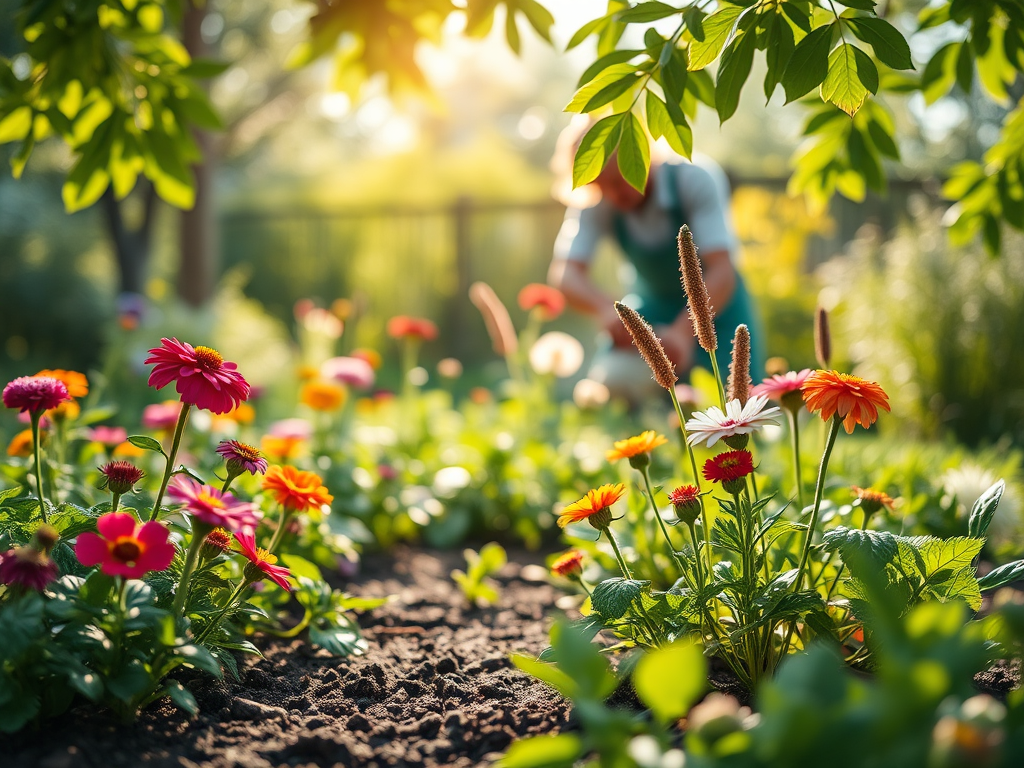
| When you picture a beautiful garden, you most likely see colourful flowers, lush lawns, and neat borders and flower beds. Yet thriving gardens also depend on a routine of overlooked tasks that make all the difference. These hidden tasks are the backbone of a healthy, welcoming garden. Whether you garden alone or get help, such as: |
| Regular Deadheading Deadheading is a simple, powerful habit that transforms your garden. It means removing faded flowers—one of the best ways to keep things blooming. After a flower finishes, the plant shifts to seed production—great for reproduction, but not if you want lasting color. By removing spent blooms, you prompt the plant to produce more flowers instead of seeds. Deadheading also encourages bushier growth and keeps the garden tidy. It benefits bedding plants, roses, dahlias, salvias, cosmos, and many herbs. A few minutes of deadheading can instantly revive a border. Some tips: Use clean, sharp snips or just your fingers for soft-stemmed plants. Cut just above healthy leaves or side shoots. Check your plants a couple of times a week in peak growing season for best results. It may not be glamorous, but regular deadheading revives a tired garden, one snip at a time. |
| Soil Health Checks You might not see it, but your plants are constantly interacting with the soil, and they’ll let you know when something’s not quite right. Healthy soil is more than just dirt; it’s a living, breathing ecosystem full of life: worms aerate it, microbes break down organic matter, and a balanced mix of nutrients feeds your plants from the roots up. If the soil isn’t in good shape, plants struggle — no matter how much sun or water they get. That’s why experienced gardeners regularly check in with the soil. Is it dry and dusty? Is it soggy and compacted? Has it gone stale from overuse? Each of these signs provides clues about what the garden needs next — whether it’s time to add organic mulch, mix in some compost, gently fork it over to loosen it up, or even just give the earth a season to rest. Healthy soil should be crumbly and slightly moist, with a rich, earthy smell. Digging a little test hole here and there can reveal a lot: How deep are the roots going? Are there worms wriggling around? Does water drain freely or pool up? Simple practices like: Adding compost or well-rotted manure Mulching in spring or autumn Avoid walking or working on wet soil (which compacts it) Growing green manures or cover crops in empty beds helps improve structure, boost fertility, and encourage the helpful organisms that plants rely on. Soil might not steal the show, but it’s the quiet powerhouse that makes everything else possible. Pay attention to it, and your garden will thank you. |
| Edge Trimming Mowing the lawn keeps the grass neat, but edging is what gives your garden that polished, purposeful look. It’s the quiet detail that makes everything else look better, even if you haven’t done much else that week. When you trim the edges where the grass meets paths, beds, or borders, you create clean lines that visually define the space. It frames the lawn like a picture frame around a painting — suddenly everything looks sharper, tidier, and more intentional. Over time, lawns naturally creep outward and blur into surrounding areas. Without regular trimming, borders start to look shaggy, and it’s easy for weeds to sneak in around the edges. Taking the time to neaten up once a week or even once a fortnight helps keep that under control — and it’s surprisingly satisfying. Tools like half-moon edgers, long-handled edging shears, or even a spade can be used, depending on your preference. The key is consistency and a steady hand. Some quick benefits of edge trimming: Prevents grass from invading flower beds and paths Reduces the risk of mower wheels flattening the lawn edge Makes the whole garden look better cared-for It’s a small task with a big visual impact — like tidying your hairline after a haircut. No one always notices it’s been done… but they definitely notice when it hasn’t. |
| Weeding the Cracks Small Task, Big Difference [Really important part of my job = 80%] It’s amazing how quickly weeds sneak into the tiniest spaces — especially between paving stones, gravel paths, patios, and driveway edges. At first, it’s just a sprig of something green… and before you know it, there’s a whole mini-jungle creeping across your hard surfaces. While it might seem like a small job, regularly weeding these cracks makes a huge difference to how your garden looks and functions. It keeps your paths and paved areas neat, stops weeds from setting seed and spreading further, and helps prevent mossy build-up that can become dangerously slippery in wet or icy weather. Many of these weeds are tough little things — dandelions, clover, chickweed, and bittercress are common offenders. They thrive in tight spaces where there’s little competition. Once established, their roots can start to loosen joints and even damage paving over time. Some helpful ways to manage them: Use a patio knife, a loop hoe, or even an old kitchen tool to scrape them out Sweep regularly — it dislodges seedlings before they take hold Pour hot water (carefully!) over persistent weeds as a chemical-free treatment Avoid pressure-washing too often, as it can damage grout and create gaps where weeds return faster It’s one of those quiet, yet essential, upkeep jobs that doesn’t get much attention, but makes a big difference. A few minutes here and there can prevent it from becoming a big chore later, and your garden will instantly look fresher, cleaner, and more cared for. |
| Cleaning and Caring for Tools A Little Love Goes a Long Way Sharp, clean tools don’t just make gardening easier — they make it better. Whether you’re snipping back soft growth with secateurs or digging into heavy soil with a spade, well-maintained tools save time, reduce strain, and help protect your plants. When blades are dull or joints are stiff, you end up working harder for less precise results. Worse still, dirty tools can carry fungal spores, bacteria, or pests from one plant to another — turning a quick tidy-up into an accidental outbreak. That’s why regular cleaning and maintenance matters. I personally have all of my tools cleaned, repaired, and sharpened once a month. It’s part of my routine, and it pays off. My tools last longer, perform better, and are always ready to go when I am. Here’s what that care usually involves: Wiping down tools after use to remove sap, soil, or rust-prone moisture Sharpening blades on secateurs, shears, and hoes so they cut cleanly (blunt blades tear instead of slice) Oiling hinges and metal parts to keep moving parts smooth and prevent rust Checking handles for splinters or cracks — and sanding or replacing when needed Storing tools properly in a dry, sheltered spot to avoid weather damage It might sound like a chore, but it only takes a little time and makes a world of difference. Your plants will thank you for the clean cuts and your body will appreciate tools that glide through their jobs instead of fighting them. Think of tool care like brushing your teeth — do it regularly, and everything lasts longer, feels better, and stays healthier. |
| Keeping Watering Sensible: It’s Not Just What You Water — It’s How and When Watering might seem straightforward — hose, can, sprinkle, done — but doing it well takes a little strategy. The right timing and method can make the difference between healthy, deep-rooted plants and ones that are constantly stressed and struggling. In the warmer months, the best times are early morning or late evening. Watering during the heat of the day not only wastes water through evaporation, but can also scorch tender leaves if droplets act like little magnifying glasses under the sun. Watering when it’s cooler allows the moisture to soak in properly and reach the roots where it’s needed most. And when it comes to how often, less is more — if you do it right. Deep watering once or twice a week is far better than a light sprinkle every day. Shallow watering only moistens the surface, which encourages roots to stay close to the top, making them more vulnerable to heat and drought. Deep watering, on the other hand, encourages roots to grow down and become more resilient. A few smart watering habits include: Watering at the base of plants rather than over the foliage Using a watering can with a rose for delicate plants or seedlings Mulching around plants to retain moisture and reduce evaporation Collecting rainwater in barrels or butts to reduce reliance on tap water Grouping thirsty plants together to water more efficiently And remember — not every plant needs the same amount. Mediterranean herbs, such as rosemary and thyme, prefer drier conditions, while vegetable beds and potted plants usually require more attention. Thoughtful watering not only conserves water and saves you time, but it also leads to stronger, healthier plants with far less stress. It’s one of those behind-the-scenes garden habits that really pays off. |
| Supporting the Wildlife Helpers: Small Gestures, Big Impact Your garden is more than a human space—it’s part of a vital web of life. Every time you refill a birdbath, refresh a bug hotel, or leave a quiet log pile in a shady corner, you’re doing more than just ticking a task off the list — you’re inviting nature to thrive. These simple actions might seem small, but they create essential micro-habitats for the creatures that help keep your garden balanced. Birds, bees, butterflies, frogs, beetles, ladybirds, and even spiders all play a role in pollinating plants, controlling pests, and enriching the soil. Refilling a birdbath during a hot spell gives local birds and insects vital access to clean drinking water. Updating or repositioning a bug hotel can offer safe shelter for solitary bees, lacewings, or ladybirds over winter. A pile of logs, sticks, or fallen leaves in a quiet corner becomes a sanctuary for toads, hedgehogs, and ground beetles — all natural slug and pest controllers. Some easy ways to help: Keep shallow dishes or birdbaths topped up with fresh water — clean them weekly to avoid algae Leave seed heads standing into winter to provide food for birds and insects Avoid harsh chemicals that harm the very creatures your garden depends on Plant with pollinators in mind — choose single-flowered varieties and mix flowering times Allow a few ‘wild’ corners to grow freely, where nature can settle undisturbed By supporting wildlife, you’re not just being kind — you’re building a stronger, more resilient garden. Take action today: choose one small thing to do for wildlife in your space, and see the difference it makes. The more diverse an ecosystem is, the more stable and self-sustaining it becomes. Nature has always helped nature. As gardeners, we’re just here to give it a little encouragement. |
| Clearing Green Waste: Out with the Old, In with the Growth It’s easy to overlook green waste — a pile of pruned branches here, a few heaps of leaves there — but over time, those cuttings and clippings can start to take over. Regularly clearing them away isn’t just about keeping your garden tidy; it’s about giving plants the space, light, and airflow they need to grow well. Old plant debris left sitting on beds, lawns, or in corners can quickly smother new shoots, attract pests, or harbour fungal diseases. And let’s be honest — a cluttered garden just feels a bit off, even when everything else is thriving. By staying on top of green waste — especially after pruning, mowing, or seasonal clean-ups — you’re helping your garden breathe. New growth gets the room it needs, light reaches low-growing plants, and your whole space looks more cared-for and welcoming. Depending on your garden setup, waste can be: Added to a compost bin or heap to break down into rich, nutritious compost Collected for green waste recycling, either through your local council or a private collection service Shredded and reused as mulch for beds and borders (a great way to return nutrients to the soil) Because even the healthiest gardens need a good clear-out from time to time. A clean slate gives new growth the chance to shine. |
| Why These Jobs Matter These small tasks nurture growth, make gardening easier, and keep your space vibrant. They inspired me to create the Little Things Gardening Service—because little things truly matter. The next time you admire a well-kept garden, remember the quiet work that goes into it—and consider what you can do today to help nature thrive. Beauty isn’t just planted—it’s maintained, and your involvement truly matters. |
 Earthly Comforts