
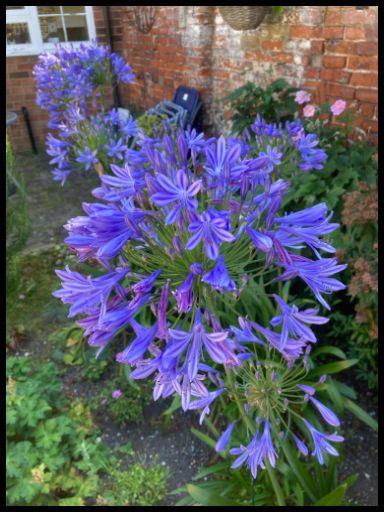
| Quick Care Reminders for Agapanthus: Sunshine: Full sun for at least six hours a day. Watering: Keep evenly moist in summer, but never waterlogged. Feeding: Use a high-potash feed every 2–3 weeks from May to August. Pot-bound plants: Divide or repot every 4–5 years to maintain strong flowering. Winter: Mulch borders; move pots to a frost-free corner. No flowers? Check sunlight, feed balance, or root space. |
| There’s something about agapanthus that draws attention—those striking blue or white globes rising above strappy green leaves bring a touch of the Mediterranean to British gardens. Often called the African lily, agapanthus has earned its place as one of the most graceful, eye-catching summer bloomers available. If you’ve admired those tall blooms lining a path or glowing in a border, you know their appeal. Bold but never overbearing, architectural yet easy to live with, they reward you year after year with very little fuss once you know what makes them happy. |
| Agapanthus comes from South Africa, growing naturally in grasslands and rocky slopes. This background offers all the clues for thriving plants: they love sun, warmth, and good drainage. The name comes from the Greek “agape” (love) and “anthos” (flower), so literally “the flower of love.” Once you’ve grown a few, you’ll understand their charm. There are two main types: Evergreen agapanthus, which hold their leaves year-round but are a little more tender, best in pots or protected corners. Deciduous agapanthus, which die back over winter and reappear in spring—hardier and great for planting directly in borders. |

| If you’re planting directly into the soil, choose a sunny, sheltered spot—ideally south or west facing—with good drainage. Agapanthus hate soggy roots. If your soil is heavy clay, improve it with grit or organic matter first. They also thrive in containers, which often encourages better flowering. Agapanthus like their roots slightly restricted, so avoid pots that are too roomy. A snug terracotta pot with gritty, free-draining compost suits them perfectly. When planting, space clumps around 30–40 cm apart, add a little compost or bone meal, and water them in well. If you’re growing in pots, top-dress with gravel to retain moisture and keep weeds down. |
| During the growing season (spring to late summer), agapanthus appreciate consistent moisture. Water when the top inch of soil feels dry, especially for potted plants. Avoid letting them sit in water, though—they’ll sulk if their roots are waterlogged. Feed every two to three weeks through the flowering season with a high-potash feed such as tomato fertiliser. (High-potash means it has more potassium, which promotes blooms.) This encourages strong flower development instead of leafy growth. Stop feeding around August so the plants can naturally slow down before autumn. |
| Evergreen types need some protection once frost arrives. If they’re in pots, move them into a frost-free greenhouse, conservatory, or bright porch. If they’re in the ground, cover the crown (the place where the stems meet the roots) with a thick mulch of straw or compost and wrap the plant in fleece (garden fabric) during hard frosts. Deciduous types are a bit hardier. When their leaves die back, simply cut them down to just above soil level and apply a protective mulch (a layer of material like straw or compost that insulates and protects the soil) over winter. |
| Agapanthus like to be snug—but there’s a limit. After several years, even the most content plants can become too pot-bound, which can lead to reduced flowering or plants that dry out too quickly. Here’s a quick tip for dealing with a stubbornly pot-bound agapanthus: If you can’t lift it out of the pot, tip the container and tap it with a rubber mallet or your hand. If it’s really wedged, cut the pot away or slide a knife around the inside edge to loosen the roots. Once free, divide the clump with a sharp knife or spade—each piece needs a good root system and at least one growing shoot. Replant into fresh compost, water well, and wait a few weeks before feeding to let them settle. They may take a season to recover, but will return with renewed vigour. |
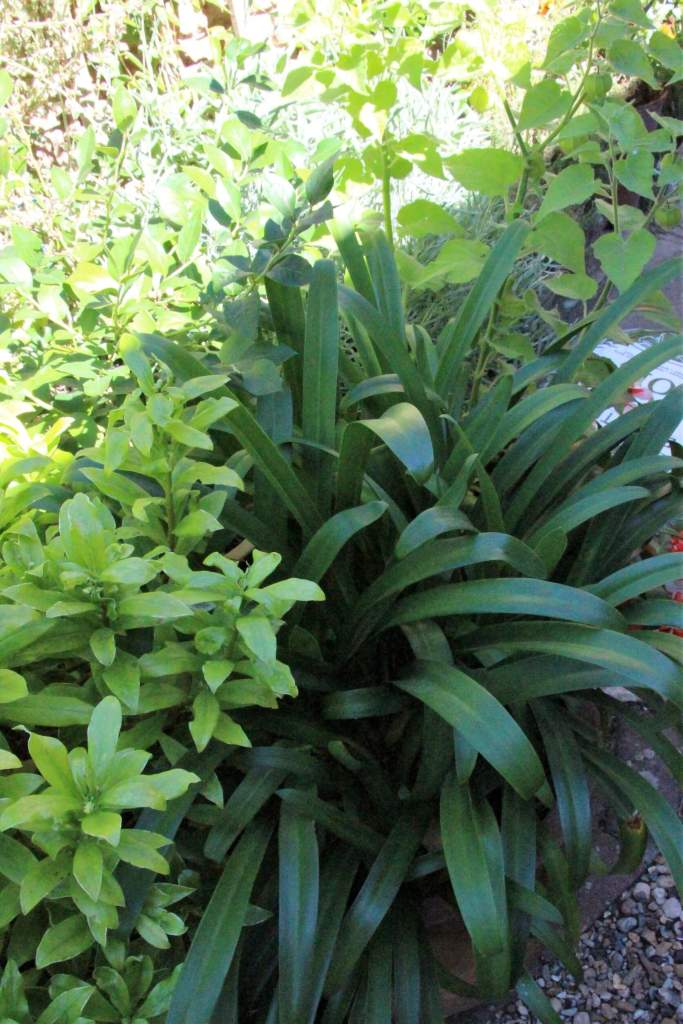
| Sometimes, agapanthus take a break from blooming. It can be frustrating, but is usually fixable. If your plant stops flowering altogether, it’s often due to one (or more) of these reasons: Too much room – Agapanthus need their roots slightly crowded to feel secure enough to flower. A freshly divided or over-potted plant might take a year or two to bloom again. Too much nitrogen – Rich compost or fertiliser can push lush leaf growth at the expense of flowers. Switch to a high-potash feed instead. Lack of sun – These are sun-worshippers; shady spots can drastically reduce blooms. Cold damage – Late frost can knock back new shoots, especially in evergreen types. Old, congested clumps – Ironically, plants that are too crowded can also stop flowering. In that case, divide and refresh them as above. If your agapanthus hasn’t bloomed for years, lifting, splitting, and replanting usually revives it. |
| Agapanthus are fairly tough, but they can show a few warning signs now and then. Here’s how to decode them: Yellowing leaves: Usually due to overwatering or poor drainage. Lift the pot slightly off the ground to help water escape, or repot with a grittier mix. Mushy roots: Root rot. Cut the damaged roots, repot in dry compost, and reduce watering. Slugs and snails: They’ll nibble new shoots in spring, but rarely cause lasting harm. A few organic pellets or a copper band around the pot works wonders. No buds forming: Check your sunlight and feeding routine—most often, it’s either not enough sun or too much nitrogen. Scorch marks on leaves: Often caused by reflected heat from walls or patios. A light mulch can cool roots and reduce stress. If leaves look limp or wrinkled in midsummer, they’re likely too dry—give a deep soak to perk them up. |
| Agapanthus fit beautifully into both contemporary and traditional settings. In coastal-style gardens, they pair perfectly with gravel, ornamental grasses, and silver-leaved plants like lavender or artemisia. In cottage gardens, they pop against lush greens and ferns. In pots, combine agapanthus with trailing verbena or pelargoniums for color, or use a single statement pot on the patio. White-flowered agapanthus by an entrance adds instant elegance. |
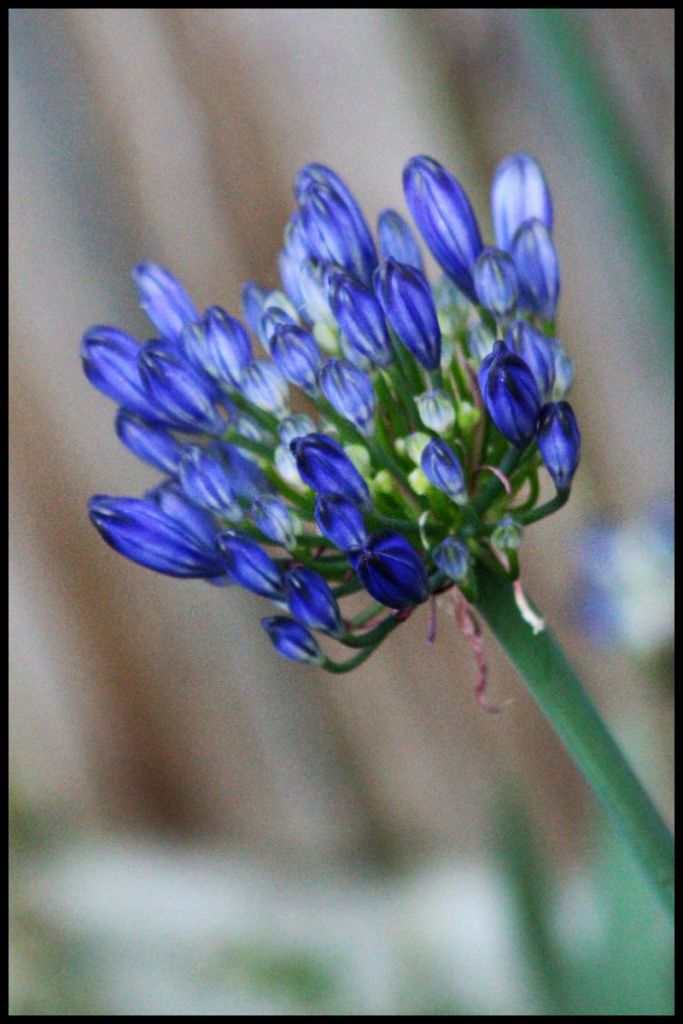
| A Final Thought Agapanthus looks exotic but remains reliable. It’s a true summer showpiece—sturdy, graceful, and generous once settled. With sunshine, drainage, and the occasional tidy-up, you’ll enjoy those globe-shaped flowers each year. So, if one ever stops performing, don’t despair—take action! Give its roots a check, tweak your feed, or move it to a sunnier spot. Try these simple steps and watch your agapanthus thrive. Embrace the rhythm of gardening; when you give agapanthus a little attention, they’ll reward you, dancing through summer like few others can. |
 Earthly Comforts
Another positive of agapanthas is hummingbirds love the flowers.
LikeLiked by 1 person
Hey Angie, yes, that is so very true, they do 🙂 How are you keeping? I emailed you some time ago and isn’t it time for another update from you for your blog? 🙂
LikeLike