| Part 2 A Six-Week Voyage |
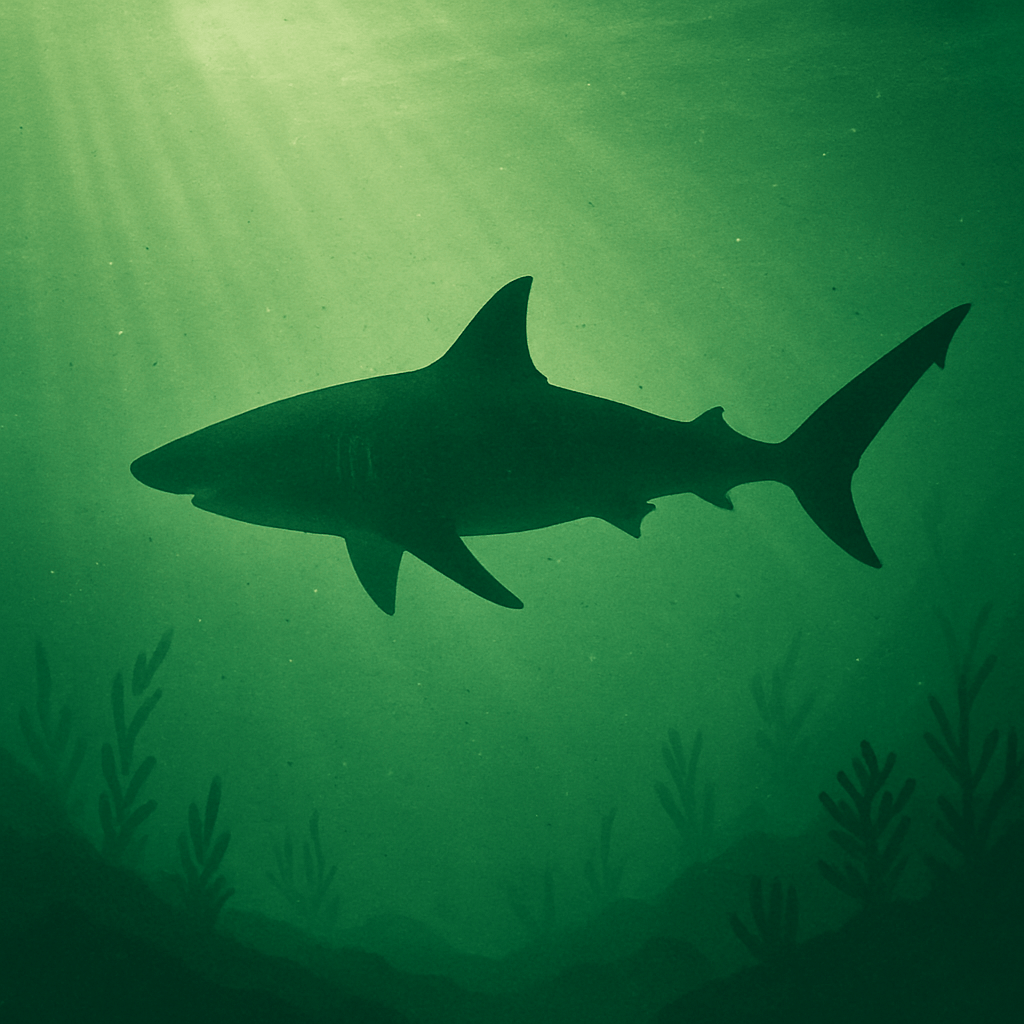
| By the time I finally watched the film adaptation of Peter Benchley’s Jaws, my fascination with sharks was already well-formed. I had grown up around them in Australia, read the book long before seeing the film, and had my own encounters in the water. So when I eventually saw Spielberg’s shark flicker across a screen for the first time, it wasn’t in a cinema. It was at sea, during a journey that held more emotional weight than I realised at the time. Our story with ships began long before that 1977 voyage. We had left England by liner in 1965, when I was just two and a half. I remembered nothing of the country we left behind. For me, England wasn’t home — it was simply a birthplace. A technicality. A place I had no memories of and no sense of belonging to. Between 1965 and 1977, our lives moved across two very different landscapes: 1965–1967: We lived in Australia, the first chapter of what would become my true home. 1968–1971: We lived in Malaysia, where my father — an NCO in the Military Police — was based in Butterworth while I attended school in Penang. Those early Malaysian years shaped me deeply. The heat, the wildlife, the tropical environment, and the sense of mobility added layers to my childhood that most never experience. In 1971, we returned to Australia for what we believed was the long term. And from then to 1977, Australia became the place where my identity truly formed — the beaches, the wildlife, the community, the sun-drenched normality of coastal life. But it wasn’t always easy growing up there. As a Brit — a “pommy” — you weren’t automatically accepted in the Australia of the 1970s. It took time. You had to prove yourself, especially as a child trying to fit into a culture that prized toughness, directness, and resilience. For years, I felt like an outsider. Then, around 1975, everything shifted. I finally began to be accepted. I’d earned my place. I belonged. And that was precisely when life decided to turn upside down. My father didn’t want to return to the UK. My sister — born in Sydney, Australia, to her core — didn’t want to return. I certainly didn’t want to return. But my mother missed England deeply — her home, her culture, her roots — and her longing eventually made the decision for the entire family. The rest of us went along with it, but not without reluctance. So in February 1977, we boarded a liner in Melbourne and set off on a six-week voyage to Southampton. We had arrived in Australia by ship. Now we were leaving it the same way. The symmetry was undeniable — and painful. The ship became a floating world between worlds, a space suspended between the life we understood and the life we were sailing toward. A life none of us — except my mother — wanted. It was during the symbolic passage crossing from the Pacific into the Atlantic—that Jaws was shown onboard. I remember sitting behind a woman whose towering hairstyle could have been classified as a small architectural structure. During the film’s infamous “jump scare” — Hooper reaching into a damaged hull to retrieve a tooth before a floating head bursts into view — she shot upright and blocked the screen entirely. I didn’t see a thing. Just the back of her hair. It wasn’t until years later, watching it again on land, that I finally saw the scene properly. Even then, it didn’t frighten me. Sharks had never been monsters in my world. I’d lived near them, swam near them, seen them glide below me. To me, Jaws was fiction — fascinating, yes, but fiction nonetheless. What stayed with me from that night wasn’t fear, but atmosphere: the hum of the engines, the roll of the ship, the knowledge that beneath the steel hull lay thousands of feet of real ocean — the very environment sharks had ruled long before humans appeared. While millions left the film terrified of the sea, I walked out onto the deck thinking not of danger, but of connection. The ocean felt familiar. Sharks felt familiar. England, the country we were sailing toward, did not. As the ship pushed on across the dark water, the truth settled in: I felt more at home surrounded by the sea than by the idea of the place we were returning to. And the sharks, unseen beneath the waves, remained a reminder of where my sense of belonging truly lay. |
 Earthly Comforts
Wow! Seeing Jaws through your young eyes, I admit that I’ve changed my view of the sharks.
LikeLiked by 1 person
i suppose in many ways Sadje seeing Jaws at 13 was or rather is an eye opener today, but back then there was very little parental discretion when it came to films.
LikeLiked by 1 person
Oh I fully understand this. Things were different back then
LikeLiked by 1 person
Yes very much so, l remember watching the original Texas Chainsaw massacre film in 1978 on video and we are not talking the remake but the actual original, the one that was banned. In 1978 l was 15, so yes things have most assuredly changed thankfully.
LikeLiked by 1 person
😱
LikeLiked by 1 person
What a beautiful post, Rory. Thank you for sharing more about you.
LikeLiked by 1 person