| Part 3 Sharks in Everyday Australian Life |
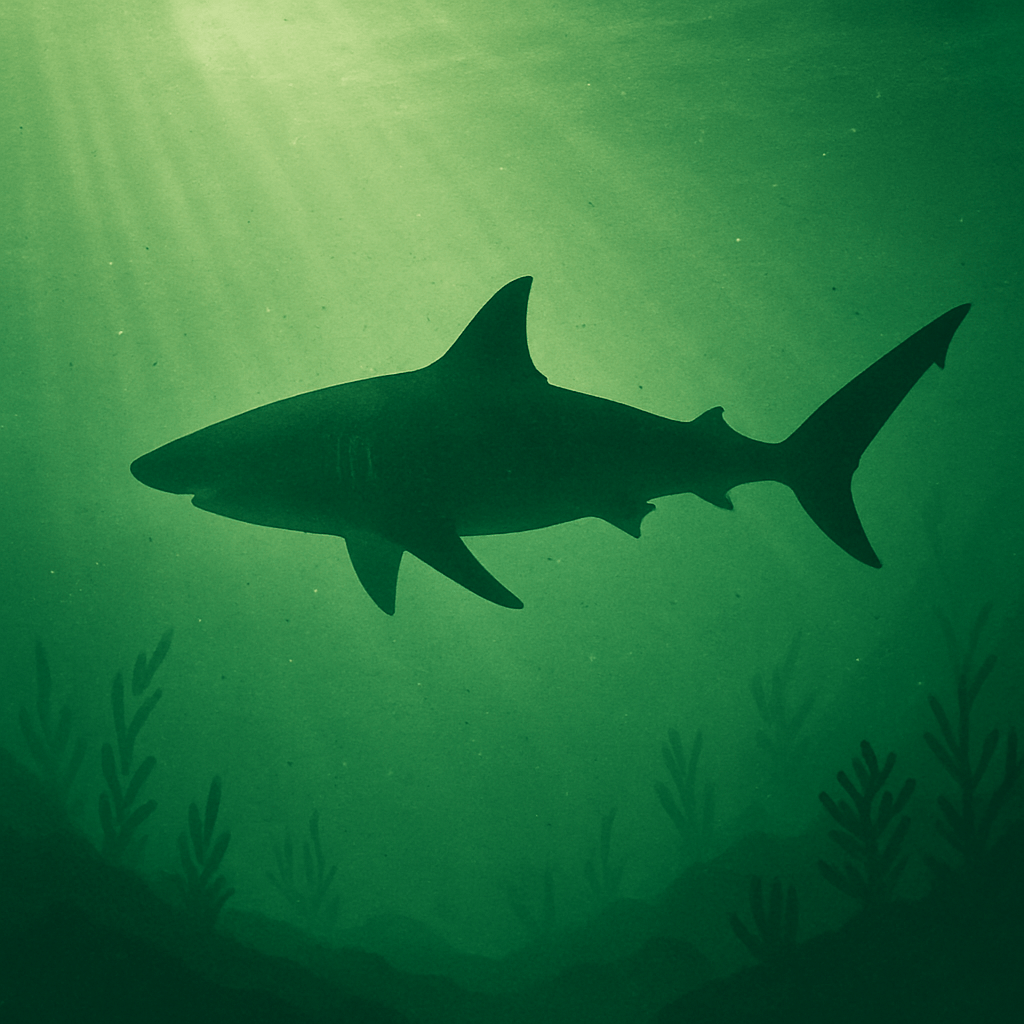
| Sharks were just part of everyday life when I was growing up in Seaford. Nothing dramatic, nothing like the films — they were simply there, part of the scenery. If you spent enough time on the pier or in the water, you’d eventually see one. It wasn’t unusual. It certainly wasn’t frightening. It was just Australia. Seaford Beach was practically my second home. Everyone went there — after school, on weekends, whenever the sun came out. The pier was the hub of everything. You’d hear the creak of the boards, smell bait and saltwater, and watch anglers hauling up whatever was willing to bite that day: flathead, garfish, mackerel. The usual. And when fishermen gutted their catch and tossed the leftovers into the water, well, the sharks came in. Not in any dramatic, fin-slicing-through-the-surf kind of way — just calmly gliding in because they knew where an easy meal was. Many shark species around Australia, especially those in the family Orectolobidae, are opportunistic scavengers. They home in on fish scraps, offal, and anything edible drifting on the tide. So when anglers threw their waste overboard day after day, sharks learned the pattern pretty quickly. Sometimes you’d see the smaller species — banjos, catsharks, topes — cruising beneath the boards. And in Port Phillip Bay, it was completely normal to see Gummy sharks and Port Jackson sharks being caught on lines and hauled up onto the pier. Bronze whalers occasionally turned up, too, especially when schooling fish or carcasses drifted in their direction. They often travelled in groups and had a reputation for turning up wherever the feeding was easy. Again, not frightening — just part of the coastal world. In the 1970s, though, people didn’t release sharks. If you caught a shark, that was it. Sharks were kept, killed, eaten, or discarded. No one talked about conservation, how slowly sharks grow, or how few pups they produce. Most people genuinely believed sharks were endless in number. Back then, the thinking was very simple: fewer sharks meant safer beaches. Public safety was the main concern. Shark fishing wasn’t just a pastime — many believed they were helping protect swimmers. Then Jaws arrived in 1975, pouring fuel onto the fire. Suddenly, every shadow in the water became a potential “man-eater.” More fishing clubs sprang up, more tournaments, more bragging rights around big sharks. And in those tournaments, the rules were clear: if you wanted your shark weighed, it had to be dead. All of this wasn’t done out of cruelty — it was ignorance mixed with fear, tradition, and a complete lack of ecological understanding. That was the mindset of the time. Despite all this, sharks fascinated me. All of it — the reality, the myths, the nonsense, the truth. I read everything I could get my hands on. Books, magazines, newspaper scraps, even lurid tabloid rubbish. If it mentioned sharks, I devoured it. Some of it was useful science, some of it was laughable, but it didn’t matter — it all fed my obsession and made me want to understand these animals properly. While other kids obsessed over sports or music, I was the one sitting on the beach staring into the water, wondering what was swimming beneath me. Among all those years of reading and watching and swimming, one moment stands out: the day a nurse brushed my thigh underwater. I almost always swam below the surface back then, so meeting something unexpected wasn’t rare. Its skin scraped me like sandpaper, taking a layer of skin off. It stung, it bled a bit, and it left a small scar I still have today — about the size of a ten pence piece. But fear never entered my mind. If anything, it made me even more interested. Before the Jaws fear craze took over, people didn’t hate sharks the way they later would. They respected the sea because they understood it belonged to the creatures living in it. If the lifeguards blew their whistles and told everyone to get out of the water, you did — usually with a bit of a moan, but no panic. That’s the Australia I remember: sharks as neighbours, part of the coastline, part of everyday life. Not monsters. Not villains. Just sharks — part of the world I grew up in. |
 Earthly Comforts
That is how it should have been
LikeLiked by 1 person