| Part 5 The Real Monster Was Never the Shark |
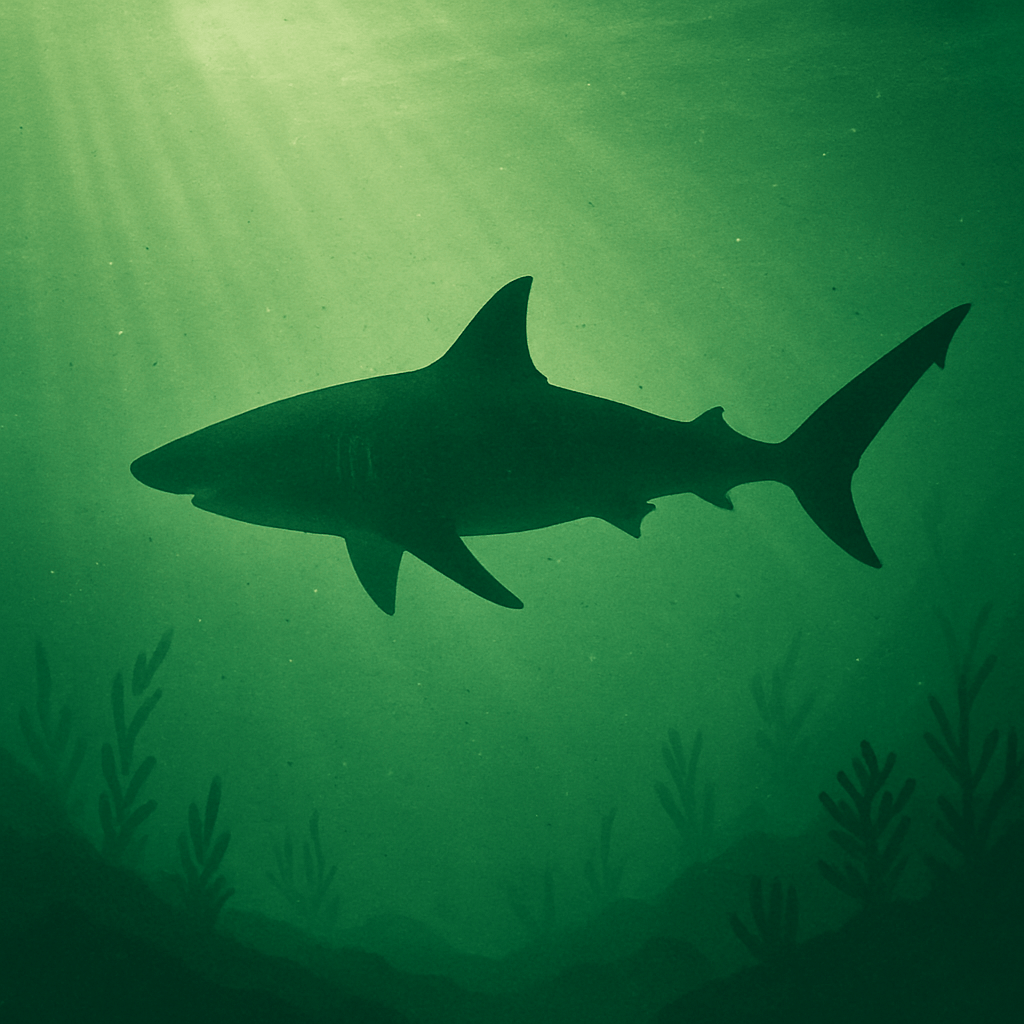
| The older l got and the more I learned about sharks, the more obvious it became that they were never the villains at all. In fact, once you dig into the facts, it’s painfully clear that sharks have far more reason to fear us than we ever had to fear them. It still amazes me how the animal everyone panics about is actually the one being wiped out by human behaviour. Jaws didn’t help, obviously. That film didn’t invent shark fear, but it turbocharged it. Overnight, sharks went from being background wildlife to Hollywood horror monsters. People started looking at the ocean like it was full of murderers with fins. Meanwhile, the sharks just carried on doing what they’d always done — cruising around, scavenging scraps, chasing fish, and generally trying to avoid anything larger than them. Back then, people genuinely believed killing sharks made beaches safer. “One less man-eater” was a common attitude. Never mind the species, the behaviour, or the reality — if it had a fin, it was fair game. And the logic was so deeply rooted that very few questioned it. But here’s the thing that blows the whole fear narrative out of the water: Worldwide, sharks are responsible for around five or six human fatalities a year. Not per country — globally. Across every ocean on the planet. Some years, it’s even fewer. Five. More people die from cows, horses, bees, jellyfish, and even vending machines. And let’s not forget the biggest killer of them all: the mosquito. Millions of deaths every year. Sharks? A tiny handful. Yet sharks got the reputation as the ocean’s deadliest killers. Meanwhile, the real damage was happening quietly on our side. Shark numbers were crashing. Overfishing was wiping them out long before anyone noticed. Shark nets didn’t actually keep sharks out — they just killed everything unlucky enough to get tangled. Bycatch from commercial fishing killed millions more. And sharks, being slow to mature and having very few pups, couldn’t recover. We treated sharks like pests, but they were incredibly fragile. Apex predators aren’t built to handle heavy pressure — their populations collapse fast. And then there’s shark finning, which is still one of the most horrific practices humanity has ever come up with. Slice the fins off, throw the shark back alive, let it sink and suffocate or be eaten. Multiplied by millions, every single year. It’s barbaric, and even now it hasn’t been entirely stamped out. The saddest part is that while humans were running out of the water screaming because a fin popped up somewhere, sharks had every right to be the ones panicking about us. The fear we feel toward them is nothing compared to the damage we cause them — accidentally, intentionally, and often thoughtlessly. And just to show how irrational fear can be: I know people in the UK — in 2025 — who still refuse to swim in the sea because they watched Jaws in the 70s or 80s. Britain! A place where your biggest danger in the water is the temperature, not a great white. But that’s how deep the film burrowed into the public imagination. Thankfully, things eventually shifted. Scientists, divers, conservationists, and even Peter Benchley — the very man who wrote Jaws — started telling the world the truth. Benchley regretted the impact his story had on sharks for the rest of his life and spent decades trying to undo the fear he’d helped create. And that takes guts — admitting your work had consequences, then dedicating your life to repairing the damage. For me, learning all of this wasn’t depressing. It was eye-opening. Sharks taught me something long before gardening, writing, or adulthood did: you can’t respect nature until you understand it, and you can’t protect nature until you realise how easily humans break it without thinking. Sharks weren’t the villains. They were one of the first victims of our fear. |
 Earthly Comforts
I saw, “ Shark tale “ I think it was the name and it was about a vegetarian shark. Very cute, animated movie.
LikeLiked by 1 person
I vaguely remember seeing Shark Tale also
LikeLiked by 1 person
I’ve seen it twice, with my grandson.
LikeLiked by 1 person