| The Wonderful Wren: Britain’s Tiny Garden Songster If you’ve ever been startled by an unexpectedly loud burst of birdsong coming from a hedge, compost heap, or ivy-clad fence, chances are you’ve met the wren. Officially known as the Eurasian wren (Troglodytes troglodytes), this tiny bird is one of the UK’s most familiar garden residents—yet also one of the most remarkable. Despite being small enough to fit in the palm of your hand, the wren has a big personality, a powerful voice, and a long-standing place in British wildlife and folklore. For gardeners, it’s also a welcome ally. |
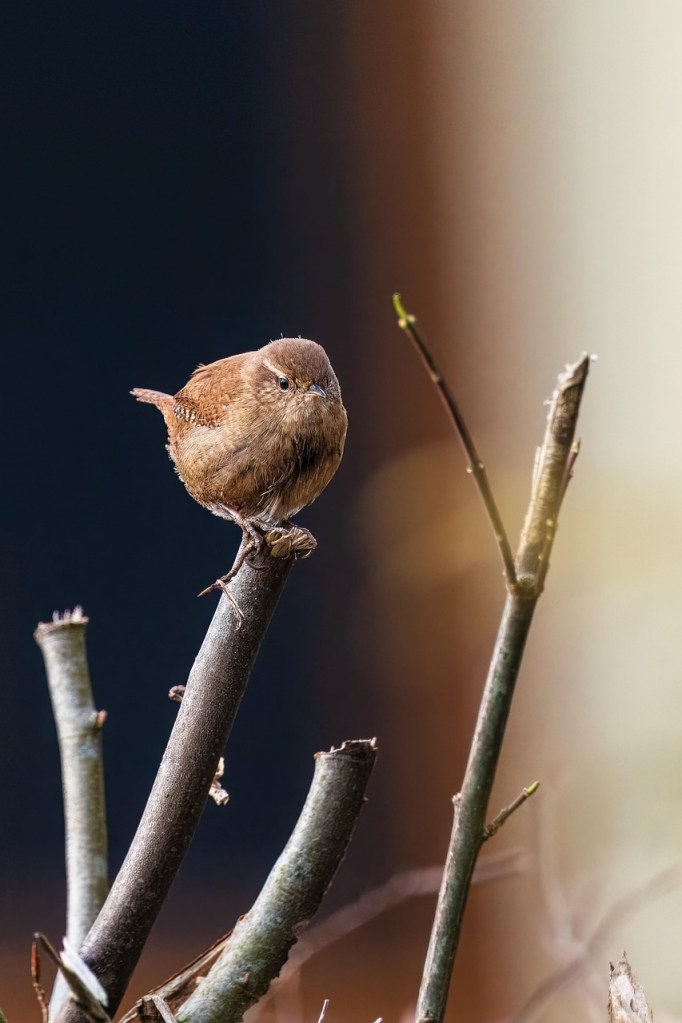
| A Small Bird with a Big Presence Wrens are among the smallest birds in Britain, weighing about the same as a £1 coin. They’re instantly recognisable once you know what to look for: Warm brown plumage with subtle barring A short, cocked tail often held upright. A round, compact shape that seems to bounce rather than fly They’re rarely still for long. Wrens dart low through undergrowth, hop along walls, and squeeze into crevices with astonishing agility. You’ll often notice movement before you clearly see the bird itself. |
| The Loudest Song (Per Ounce) in the Garden One of the wren’s most astonishing features is its song. Relative to its size, it’s one of the loudest birds in the world. The male’s song is a rapid cascade of trills and rattles that can cut through traffic noise, wind, and even other birdsong. Wrens sing year-round, but you’ll hear them most in: Late winter and early spring, when males stake out territories Breeding season, to attract mates and warn rivals On a crisp winter morning, a single wren singing from a bare hedge can make the whole garden feel alive. |
| Nest Builders Extraordinaire Wrens are famously industrious nest builders. The male often constructs several “dummy” nests at the start of the breeding season. The female then chooses her favourite, lining it with moss, feathers, and hair. Typical nest sites include: Dense hedges and shrubs Compost heaps Sheds, log piles, and ivy. Even old boots, watering cans, or hanging baskets This adaptability is one reason wrens thrive in gardens. A slightly messy, wildlife-friendly space is perfect for them. |
| Life in the British Garden Wrens are non-migratory, meaning most stay in the UK all year. Gardens can be a lifeline, especially in winter. What wrens eat Wrens are insectivores, feeding on: Beetles and larvae Spiders Woodlice Small caterpillars They forage low to the ground, making leaf litter, mulch, and log piles incredibly valuable habitats. Winter survival Harsh winters can be challenging. In cold weather, wrens sometimes roost together, huddling in groups to share warmth—an extraordinary behaviour for such territorial birds. |
| Wrens and Gardeners: A Perfect Partnership From a gardening perspective, wrens are a joy to have around: They help control pest populations naturally. They indicate a healthy, biodiverse garden. They thrive in gardens managed with eco-friendly practices. If you garden with wildlife in mind—leaving seed heads, avoiding chemicals, and embracing natural textures—you’re already creating ideal conditions for wrens. |
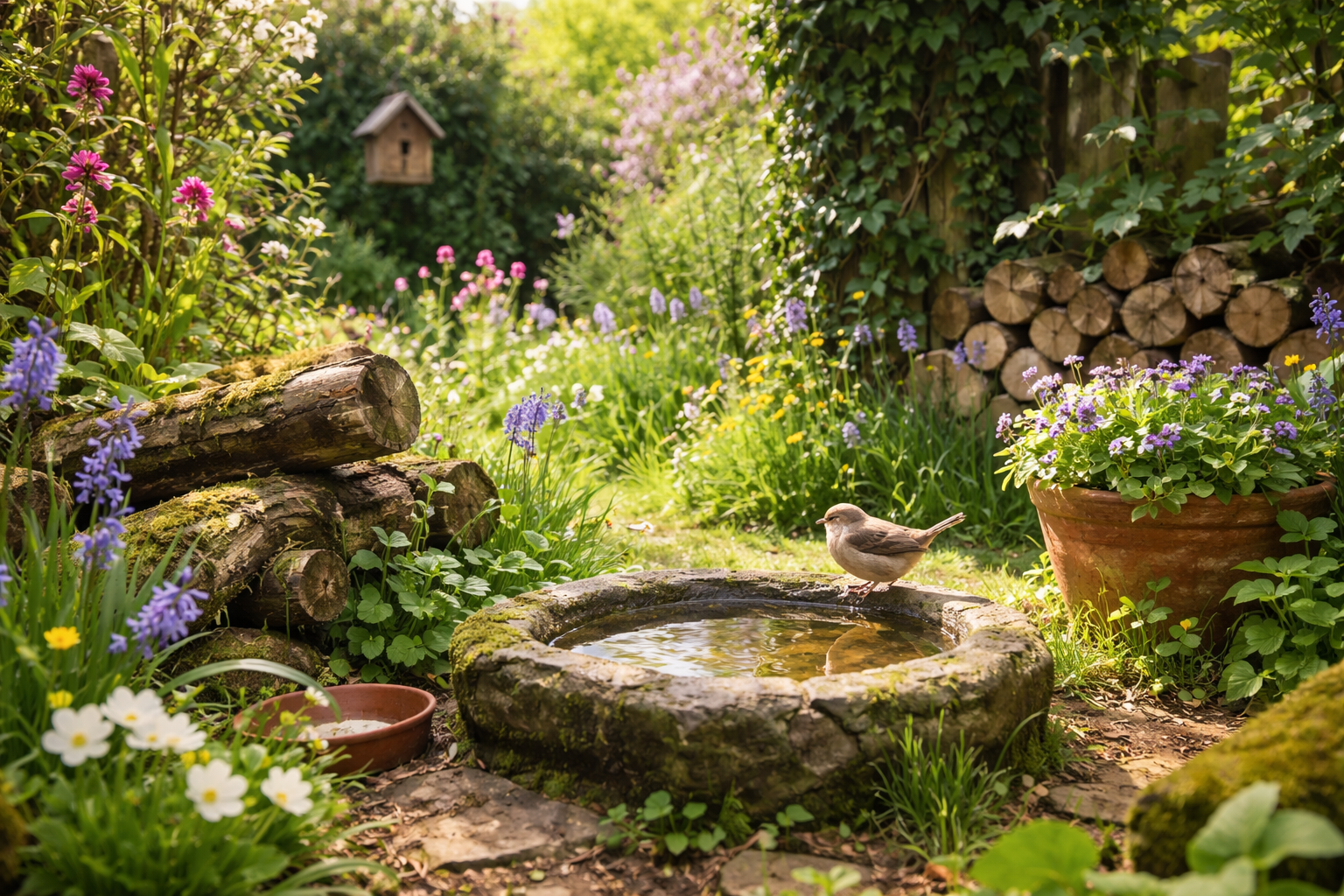
| How to Make Your Garden Wren-Friendly You don’t need a large garden to support wrens. Even small urban spaces can work beautifully. Simple steps that make a big difference: Leave some leaf litter under shrubs. Keep hedges and dense planting rather than bare fencing. Add a log pile or an undisturbed corner. Avoid pesticides and slug pellets. Provide fresh water at ground level. Unlike many birds, wrens rarely use standard bird feeders, but they’ll happily benefit from the insects your garden supports. |
| Wrens in British Folklore and Tradition The wren holds a special place in British and Celtic folklore. Often called the “King of the Birds, it appears in myths where cleverness triumphs over size. In parts of Britain and Ireland, St Stephen’s Day (26 December) was traditionally known as Wren Day, with the bird symbolising both the old year and renewal. Thankfully, modern celebrations are symbolic only, and today the wren is protected and cherished. |
| A Conservation Success Story—With Caveats Wrens are currently one of the UK’s most numerous birds, which is good news. However, populations can crash after severe winters, and climate extremes pose growing challenges. Gardens play an increasingly important role as: Safe breeding sites Winter refuges Insect-rich feeding grounds Every wildlife-friendly garden helps build resilience for species like the wren. |
| A Tiny Reminder of What Gardens Are For The wren is a perfect example of why gardens matter. It doesn’t need pristine lawns or exotic plants—just shelter, insects, and a bit of kindness. In return, it offers song, movement, and a daily connection to nature. Next time you hear that explosive burst of music from a hedge, pause for a moment. Somewhere close by, a tiny brown bird is reminding us that even the smallest spaces can be full of life. |
 Earthly Comforts