| Part 6 Peter Benchley and the Legacy of Jaws |
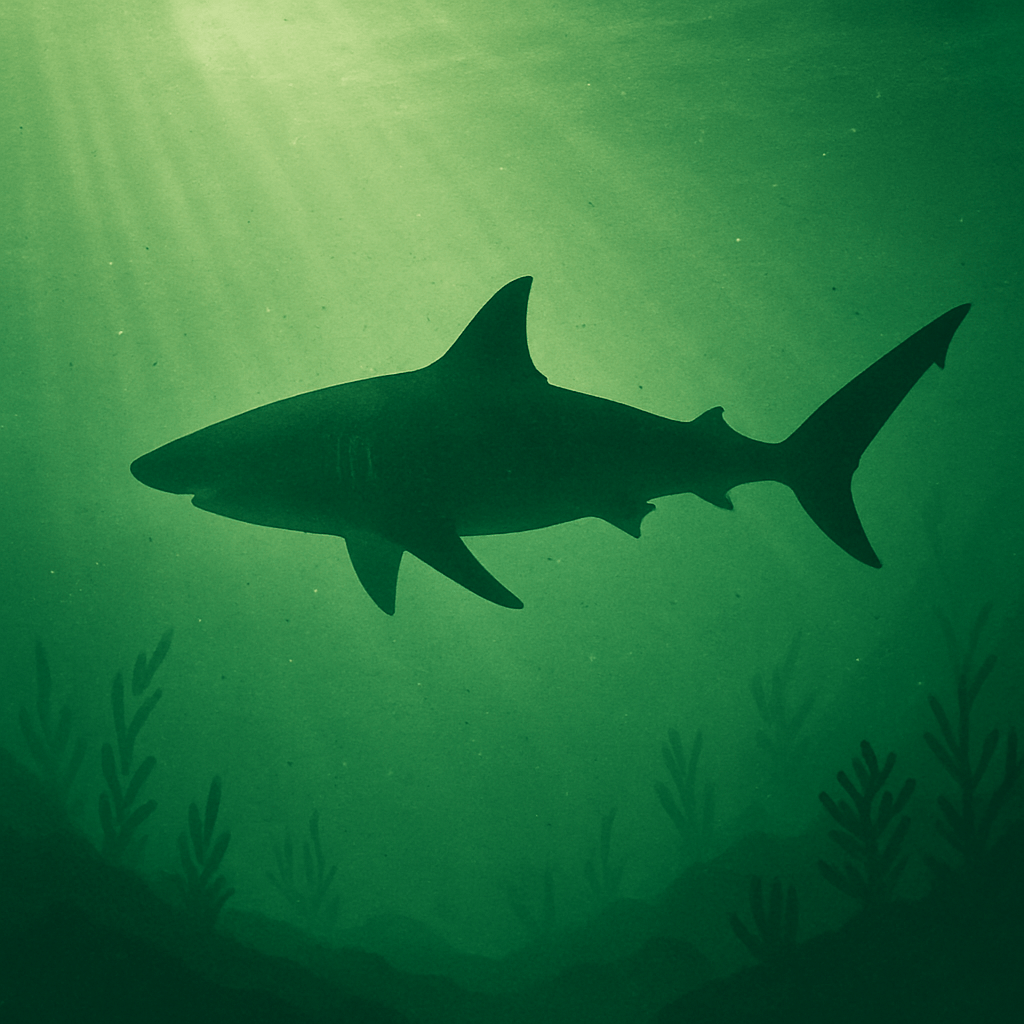
| Jaws was never meant to create a monster. Its author, Peter Benchley, wasn’t out to demonise or destroy sharks, but that’s what happened. Once he saw the impact, he spent the rest of his life trying to undo the damage. Jaws exploded in the mid-70s as more than just a bestseller or blockbuster — it became a cultural earthquake. Suddenly, everyone “knew” sharks were dangerous. Beach tourism changed. Shark hunts soared. The Sharks transformed into public enemy number one. Benchley watched this happen, and instead of basking in the fame, he felt sick about it. He didn’t expect the story to have that kind of effect. He thought he was writing a gripping thriller. Not a blueprint for fear. Not a villain origin story for an entire animal group. And definitely not something that would contribute to sharks being killed in record numbers afterward. Years later, he publicly said something incredibly honest: If he had known what he learned later about shark behaviour and conservation, he never would have written Jaws. That’s a huge thing to admit for a writer whose book shook the world. But Benchley didn’t stop at regret — he acted on it. He threw himself into conservation work. He educated the public, funded research, spoke out for shark protection, and used his influence to correct the myths he helped create. He spent decades trying to balance the scales. And honestly, if anything, that part of his story says more about him than Jaws ever could. His journey made me start rethinking my own. By the time I was 17 and back living in the UK, I found myself diving deeper into conservation, wildlife, and plants. Not just casually reading anymore — properly studying, observing, sketching, painting. I’d always been fascinated by animals; even as a kid in Australia, I was constantly poking around rock pools, lifting logs, studying insects, and creating little “microzoos” in jars. Some of you might remember from my last blog how obsessed I was with Huntsman spiders — but that’s a story for another time. The point is, I’ve always had this pull toward nature. Benchley’s change of heart didn’t create that fascination, but it definitely nudged me to look at the world more critically — to question how humans treat the environment and what responsibility we have to fix what we break. Looking back now, I’m not remotely surprised I ended up doing the job I do today. Gardening, wildlife, ecosystems, conservation — it’s all connected. Sharks were the first big lesson in that connection. They taught me to pay attention, to respect the natural world rather than fear it, and to understand that our actions always ripple outward. |
 Earthly Comforts
I’m glad that the writer recognized the damage his book had done and tried to make amends.
LikeLiked by 1 person
Peter Benchley, yes he did, so many sadly never changed their ways but at least he did try to rectify.
LikeLiked by 1 person
Yes, even now, after so many years, that impression of sharks 🦈 hasn’t changed.
LikeLiked by 1 person
I enjoyed your reflection. Thank you for sharing. I saws Jaws at the drive-in as a child and like you wrote, it shook me – terrified me!
LikeLiked by 1 person
Good Morning Michele thank you 🙂 aaah, drive in jaws must have been both awesome and mindblowing at the same time …
LikeLiked by 1 person
Yes, true. 👍🏻
LikeLiked by 1 person