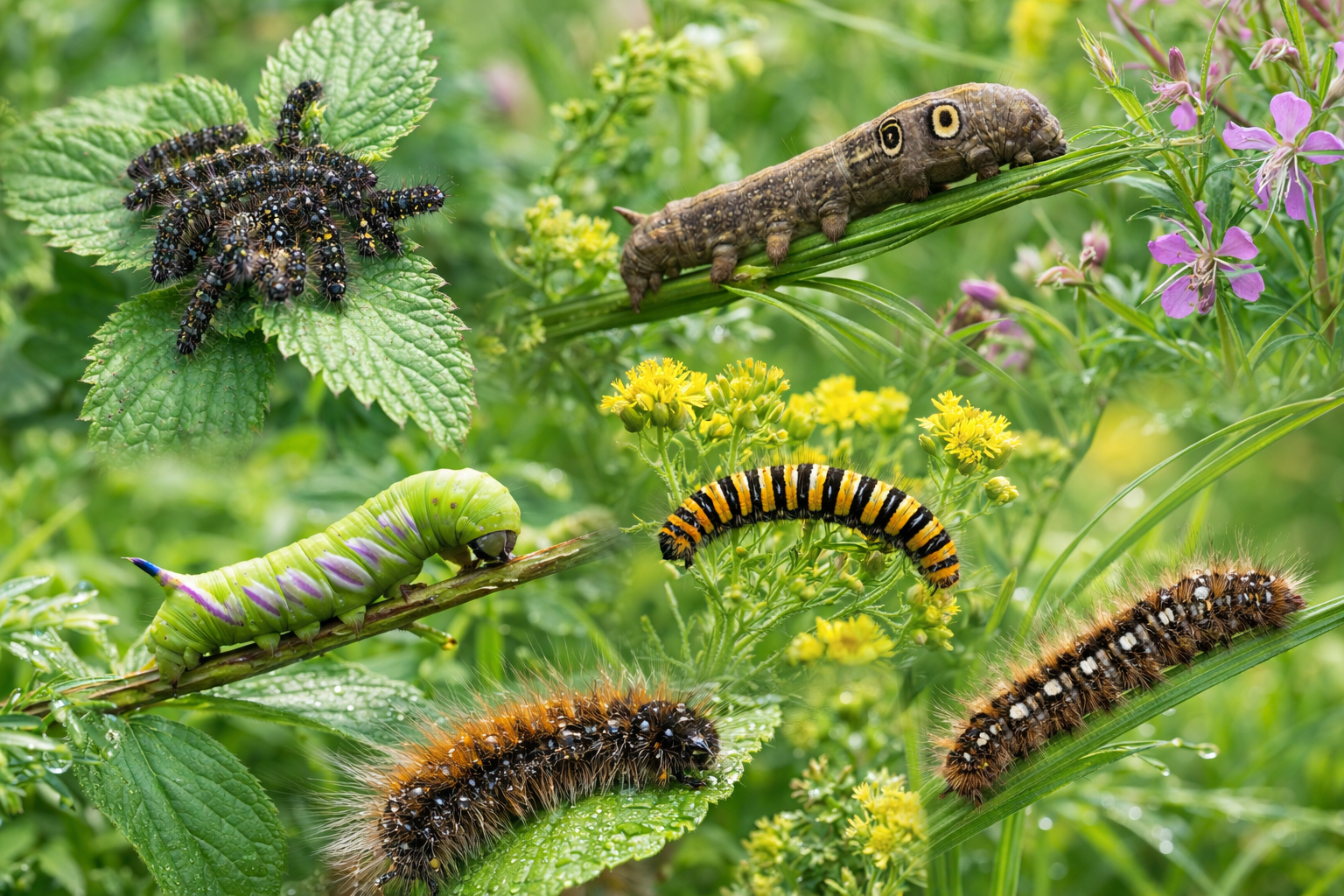
| The Hidden Life of Our Garden Wildlife When most people think about garden wildlife, butterflies usually steal the spotlight. Their colourful wings and gentle movements make them easy to love. Yet before every butterfly ever takes flight, it spends its life much closer to the ground — crawling, munching, and quietly shaping the landscape as a caterpillar. British caterpillars are often overlooked, misunderstood, or even considered pests. But in reality, they are essential players in our ecosystems, especially in gardens, hedgerows, and wild spaces. Understanding them better can completely change how we see “chewed leaves” and untidy corners. This is a closer look at the caterpillars you might find in Britain, why they matter, and how our gardens can support them — without sacrificing beauty or balance. |
| What Exactly Is a Caterpillar? A caterpillar is the larval stage of butterflies and moths. Its job is simple but vital: eat, grow, and store energy for the dramatic transformation into an adult insect. In Britain, we have around: 60 species of butterflies Over 2,500 species of moths Each one begins life as a caterpillar, and many are far more specialised than we realise. Some will eat only one type of plant, while others rely on habitats that have quietly disappeared from our landscapes. Unlike butterflies, many moth caterpillars are active at night or hide during the day, which is why we often don’t notice them — even when they’re all around us. Common British Caterpillars You Might Encounter Small Tortoiseshell Caterpillar One of the most recognisable caterpillars in the UK, these spiky black larvae live communally on nettles. Despite nettles being unpopular with gardeners, they support more British caterpillars than almost any other plant. Without nettles, the Small Tortoiseshell butterfly would all but vanish. Peacock Butterfly Caterpillar Very similar in appearance to the Small Tortoiseshell caterpillar, the Peacock caterpillar also relies heavily on nettles. They often form dense clusters, stripping plants quickly — which can look alarming but rarely causes lasting harm. Large White Caterpillar Often called the “cabbage caterpillar, this species feeds on brassicas such as cabbage, kale, and nasturtiums. While gardeners sometimes see them as troublesome, they are part of a much bigger food web, feeding birds and other insects. Elephant Hawk-moth Caterpillar A firm favourite for its size and dramatic appearance, this caterpillar has large eye-like markings that help deter predators. It feeds on willowherb and bedstraw and eventually transforms into one of Britain’s most striking moths. Why Caterpillars Matter More Than We Think Caterpillars are not just future butterflies and moths — they are a critical food source. Baby birds rely heavily on caterpillars for protein. Hedgehogs, bats, frogs, and beetles all benefit They help regulate plant growth naturally. In fact, a single brood of garden birds can consume thousands of caterpillars during the nesting season. A garden without caterpillars is often a garden struggling to support wider wildlife. When caterpillar numbers fall, everything above them in the food chain feels the impact. Caterpillars and “Messy” Gardens One of the biggest challenges caterpillars face isn’t predators — it’s tidiness. Modern gardens often remove: Nettles Long grass Leaf litter Untidy hedgerows But these “scruffy” areas are exactly where caterpillars thrive. A perfectly manicured garden may look neat, but it can be surprisingly empty of life. Allowing small wild patches — even just a corner — creates shelter, food plants, and safe places for caterpillars to pupate. Many species overwinter in leaf litter or soil, meaning excessive autumn tidying can destroy next year’s butterflies before they even begin. Caterpillars vs Garden Damage: Finding Balance It’s completely natural to worry when leaves start disappearing. The key is balance, not eradication. Helpful approaches include: Tolerating minor leaf damage Growing extra plants specifically for wildlife Relocating caterpillars rather than removing them Avoiding chemical pesticides entirely In most cases, caterpillars cause temporary, cosmetic damage — while pollinators bring long-term benefits to your garden’s health. If you grow food crops, consider planting sacrificial plants like nasturtiums or leaving a few brassicas unprotected. How to Make Your Garden Caterpillar-Friendly You don’t need a wild meadow to help British caterpillars. Small changes make a big difference: Leave a patch of nettles if possible. Let some grass grow longer. Delay autumn clear-ups Plant native species where you can Keep hedges dense and layered. Even container gardens and town courtyards can support caterpillars with the right plants and a lighter touch. A Quiet Transformation Worth Protecting Caterpillars remind us that transformation takes time, patience, and the right conditions. They work quietly, often unseen, yet their presence signals a healthy, living environment. In a changing climate and increasingly managed landscapes, British caterpillars need space, tolerance, and understanding more than ever. Next time you spot a chewed leaf or a small, wriggling visitor in your garden, pause before acting. You may be witnessing the earliest stage of a butterfly’s journey — one that depends entirely on the choices we make as gardeners and land stewards. Sometimes, the most powerful thing we can do for nature is simply to let it be. |
 Earthly Comforts
Thank you for sharing this interesting information. Sad to consider any butterfly disappearing.
LikeLiked by 1 person
Thank you Michele, yes it is upsetting considering how many species go extinct every year as it is. Whilst exact numbers are not known, guestimates arrive at a loss of insects alone per decade of between 1-2% 😦
LikeLiked by 1 person
Sad, I’m noticing less and less butterflies and bees, especially compared to what I saw in my youth, in the Valley of the Sun.
LikeLiked by 1 person
Oh yes, it is very much a problem, globally now.
LikeLiked by 1 person
😢
LikeLiked by 1 person