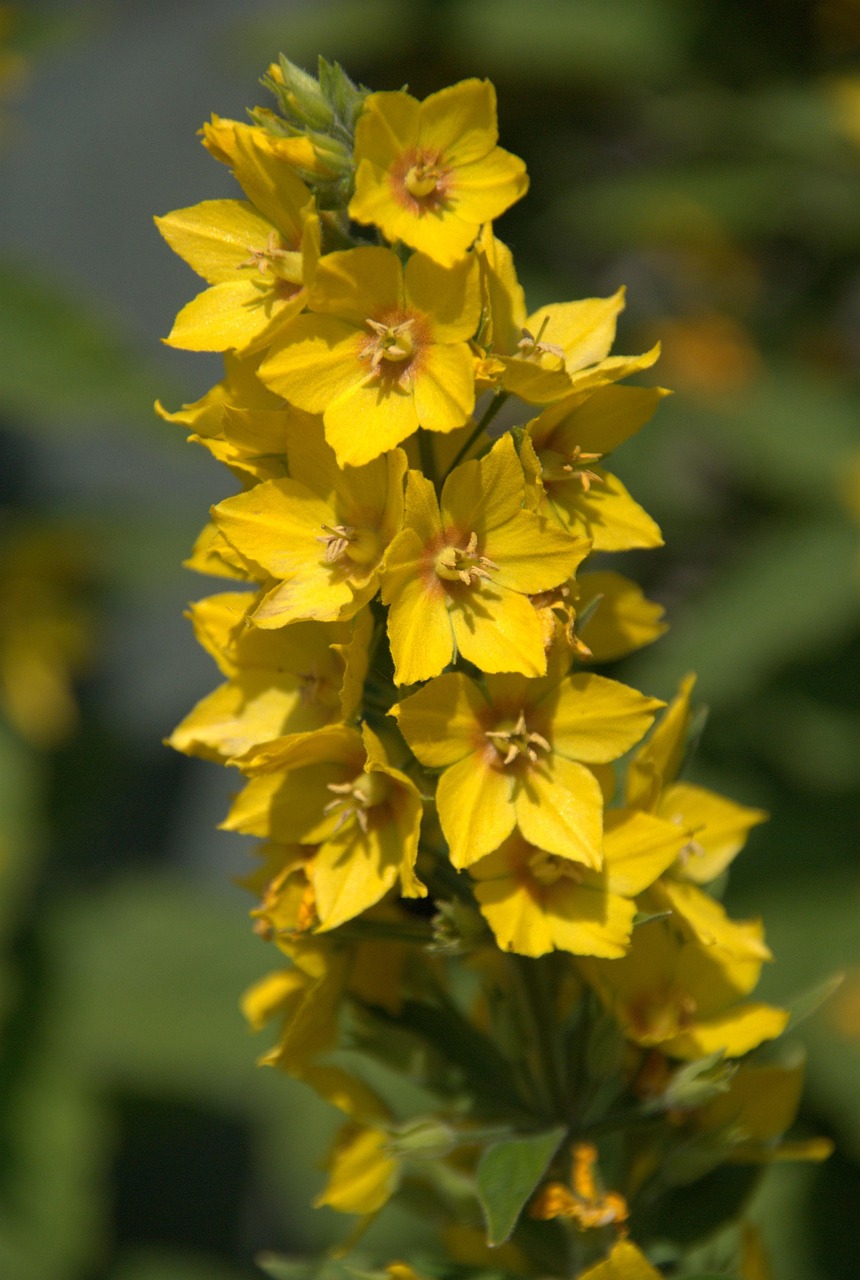
| (Lysimachia punctata) A Bold, Reliable Perennial That Earns Its Place Some plants shout for attention. Others quietly get on with the job year after year, steadily building beauty, structure, and confidence in a garden. Yellow loosestrife (Lysimachia punctata) manages to do both. This is a plant I often describe as dependable sunshine. It arrives every year without fuss, spreads with intention rather than chaos, and brings a luminous yellow presence that lifts borders—especially those awkward spots where soil stays damp, heavy, or unpredictable. If you’ve ever struggled to make a border look cohesive or felt frustrated by plants that sulk when conditions aren’t perfect, yellow loosestrife might just change your mind. Let’s take a proper look at what makes this perennial so special, how it behaves, and why it deserves far more appreciation than it usually gets. |
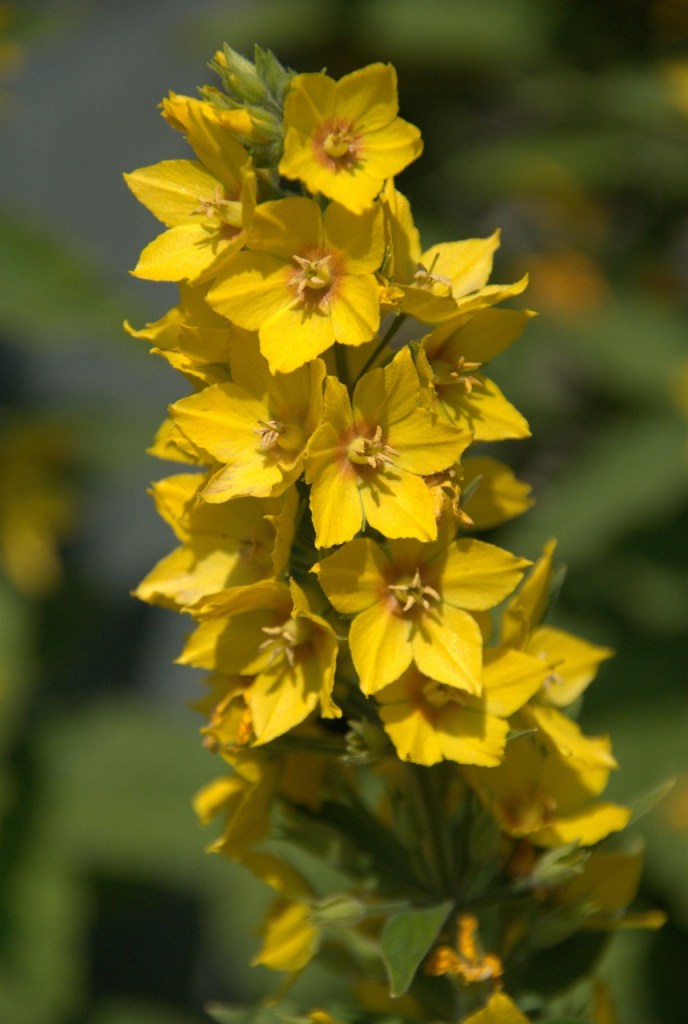
| A First Impression That Lasts Yellow loosestrife is not a fleeting beauty. When it comes into flower, usually in early to mid-summer, it doesn’t rush the moment. Upright stems rise confidently from clumps of fresh green foliage, each one lined with star-shaped yellow flowers arranged in neat, repeating whorls. The effect is structured yet generous—bold blocks of colour rather than scattered dots. This growth habit is one of its greatest strengths. It doesn’t flop or sprawl messily, even after rain. It stands upright, creating rhythm and vertical punctuation in borders where many plants either collapse or disappear into the background. In mixed planting schemes, that sense of order is invaluable. And the colour—true, glowing yellow—is neither acidic nor muddy. It catches the light beautifully, especially on milder days or in partial shade, where paler yellows often struggle to register. A Plant That Understands Damp Soil Many gardeners hear “damp soil” and immediately brace themselves for limitations. Yellow loosestrife turns that idea on its head. This plant likes moisture. Not waterlogged misery, but consistently damp, rich soil where roots don’t dry out between summer showers. It thrives along pond margins, at the bottom of slopes, in clay-heavy borders, and anywhere rain naturally gathers. What makes it particularly valuable is its tolerance. While it prefers moisture, it doesn’t collapse the moment conditions dry slightly. Once established, it copes well with short dry spells, especially if its roots are shaded by neighbouring plants or mulch. In gardens where drainage varies wildly from one end to the other, yellow loosestrife acts as a stabiliser—reliable where fussier perennials fail. Growth Habit: Confident, Not Careless One of the most common questions I hear about yellow loosestrife is whether it spreads. The honest answer is yes—but politely. It forms clumps that gradually expand outward via underground runners. Over time, these clumps knit together into strong colonies, which is exactly why the plant is so effective as a border filler or ground-covering perennial. But it doesn’t leap aggressively into lawns or smother everything in sight. In well-planned planting, this spreading habit is a gift. It suppresses weeds, fills gaps, and reduces the need for constant replanting. If it ever moves further than you’d like, it’s easy to lift and divide. The roots are straightforward to handle, and divisions re-establish quickly elsewhere. This makes yellow loosestrife ideal for gardeners who enjoy guiding a garden rather than constantly battling it. Foliage Matters Too Although it’s best known for its flowers, the foliage of yellow loosestrife deserves attention in its own right. The leaves are soft green, slightly lance-shaped, and arranged opposite each other along the stems. This creates a clean, architectural look even before flowering begins. In spring, the emerging growth is fresh and bright, adding early-season interest long before many perennials wake up. Once flowering finishes, the foliage remains attractive well into late summer. Even without blooms, the plant continues to contribute structure and fullness to the border, a quality many flowering perennials fail to provide. Wildlife Value Without Chaos Yellow loosestrife quietly supports garden wildlife without turning your space into a free-for-all. The open, star-shaped flowers are accessible to a wide range of pollinators, including bees and hoverflies. Because the blooms are produced in large numbers over an extended period, they provide a reliable food source rather than a short-lived feast. At the same time, the plant doesn’t set problematic levels of self-seeded offspring. You won’t find it popping up randomly in paving cracks or gravel paths. That balance—useful to wildlife but manageable for gardeners—is part of its charm. Design Uses: Where It Truly Shines This plant rewards thoughtful placement. Borders and Edges Yellow loosestrife excels in the middle or back of borders, especially where you want to create repeating blocks of colour. Used in drifts, it creates cohesion and visual flow, guiding the eye through the garden. Damp Corners and Low Spots Instead of fighting damp soil, this plant embraces it. It’s perfect for corners where water lingers, near downpipes, or in spots where other plants have repeatedly failed. Naturalistic and Wildlife-Friendly Gardens Its upright habit and generous flowering fit beautifully into meadow-inspired or informal planting schemes. Combined with grasses or softer perennials, it creates a relaxed but intentional look. Traditional and Cottage Gardens Despite its strong presence, yellow loosestrife doesn’t feel modern or stark. It sits comfortably alongside classic cottage plants, adding brightness without overwhelming the scene. Maintenance: Refreshingly Low-Effort If you’re looking for a plant that doesn’t demand constant attention, yellow loosestrife delivers. Watering: Once established, it rarely needs extra watering unless conditions are unusually dry. Feeding: Rich soil is usually enough. A spring mulch supports strong growth. Staking: Not required. The stems are naturally sturdy. Deadheading: Optional. Removing spent flowers tidies the plant, but leaving them does no harm. Cutting back: Cut to ground level in late autumn or early spring, depending on your preference. Every few years, lifting and dividing helps keep clumps vigorous and gives you free plants to use elsewhere. Seasonal Rhythm: A Plant That Keeps Time Well Yellow loosestrife fits neatly into the garden calendar. Spring: Fresh green growth emerges confidently. Early Summer: Flower stems rise, buds forming in neat succession. Mid-Summer: Full flowering—bold, vibrant, and long-lasting. Late Summer: Flowers fade, but foliage remains strong. Autumn/Winter: Cut back or leave stems for structure before resetting next year. This predictability is comforting. You know when it will appear, what it will look like, and how it will behave. Why This Plant Deserves More Love Yellow loosestrife isn’t trendy. It doesn’t arrive with flashy foliage colours or social-media hype. And perhaps that’s why it’s sometimes overlooked. But in real gardens—especially those shaped by weather, soil quirks, and busy lives—it quietly excels. It’s vibrant without being brash. Reliable without being boring. Strong without being aggressive. For gardeners who value resilience, balance, and long-term beauty, this plant ticks many boxes. If you have damp soil you’ve been fighting, a border that needs cohesion, or simply want a perennial you can trust year after year, yellow loosestrife is worth welcoming in. Sometimes the best plants aren’t the loudest—they’re the ones that show up, shine steadily, and make everything around them better. |
 Earthly Comforts