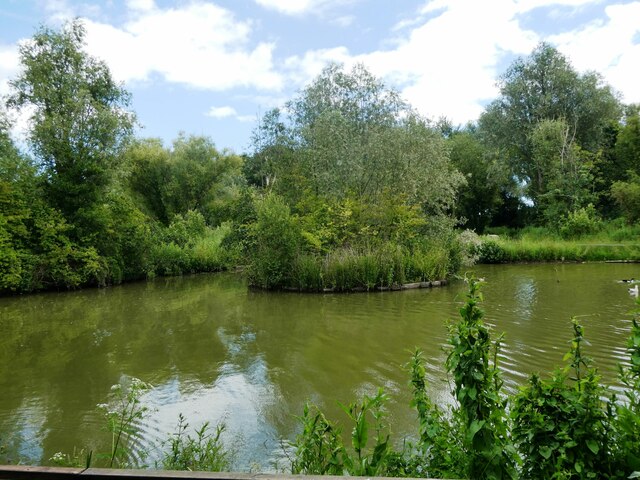
| A place shaped by water, loss, patience, and people If you live in Sandwich, Gazen Salts doesn’t really need explaining. You don’t arrive there expecting spectacle. You slip in quietly and, almost without noticing, the pace of everything drops. The town noise softens. The air changes. You’re suddenly somewhere else. What’s easy to forget is that for a long time, Gazen wasn’t like this at all — and for several years, it wasn’t accessible at all. This is a place shaped as much by absence as by presence. By water as much as by people. And its story is far more fragile, and far more honest, than it first appears. |
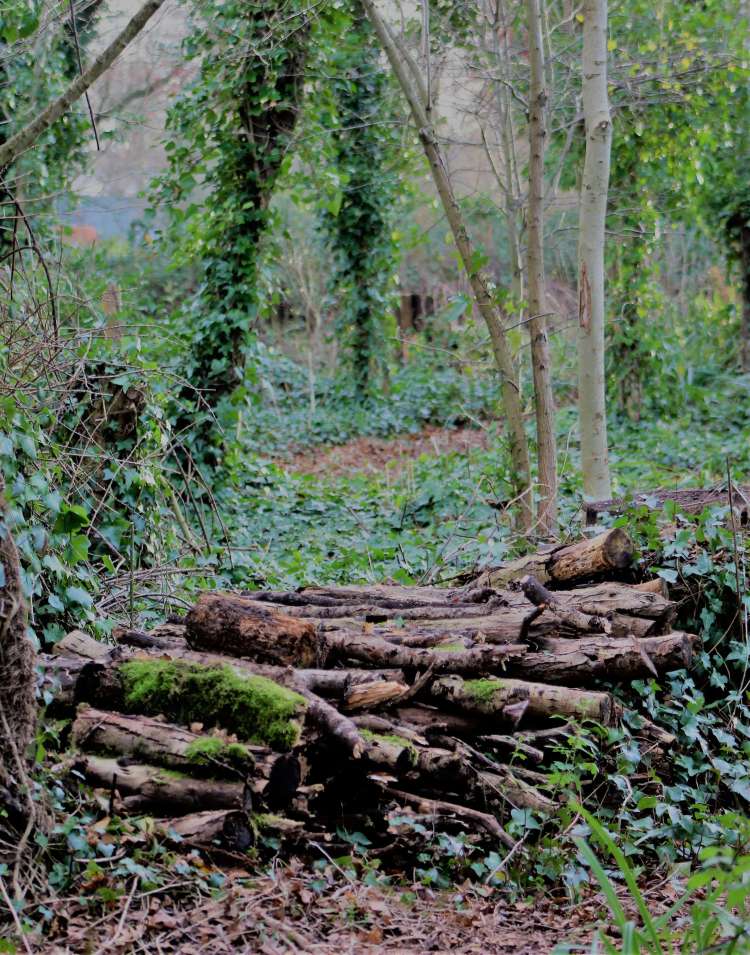
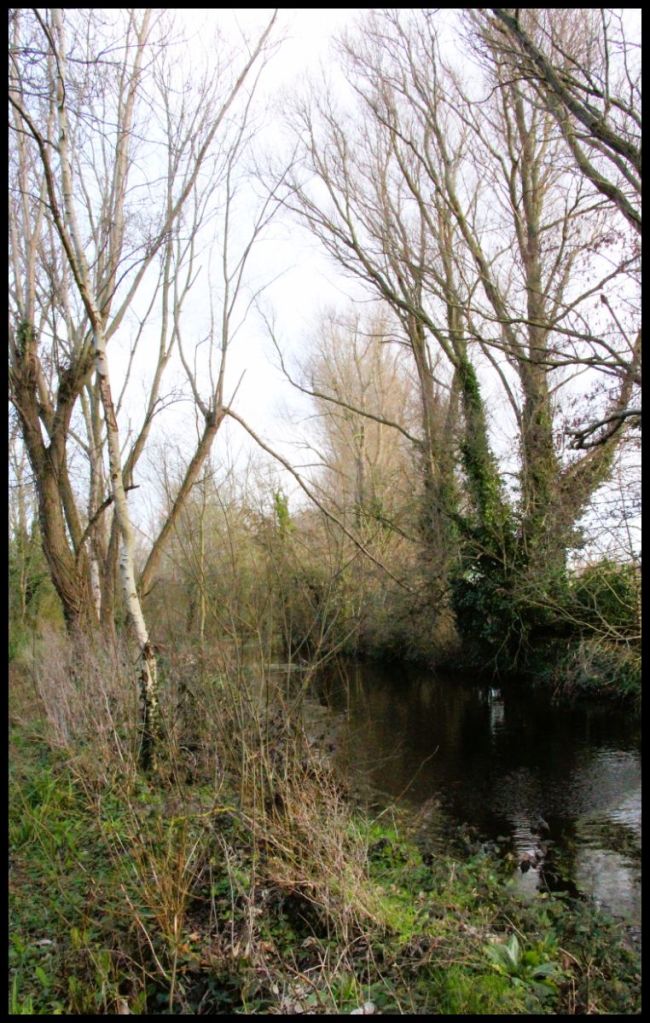
| Where Gazen began The name tells you a lot. “Salts” refers to its history as low-lying land influenced by brackish water and tidal movement. Long before there was a reserve, this area sat within the wider story of the Wantsum Channel — the ancient waterway that once separated the Isle of Thanet from mainland Kent. Water has always been in charge here. The modern reserve began to take shape in the early 1970s, when land beside the River Stour was set aside for conservation. It wasn’t an obvious choice. The site was rough, often described as bleak — grazed land, old allotments, neglected edges. There was very little about it that looked like a nature reserve. The early work was practical rather than pretty: ponds dug, a main lake formed, channels cut, trees planted into heavy clay soil that didn’t give up easily. Growth was slow. Brambles, nettles, and coarse grasses arrived quicker than anything else. But Gazen wasn’t designed to impress — it was built to become something over time. Living with water — until the water took over Because of its position in the landscape, Gazen has always been shaped by water. Seasonal flooding, shifting levels, damp ground underfoot — all part of the deal. That balance broke in December 2013. A major tidal surge pushed up the River Stour and into Sandwich. Gazen Salts was inundated — not gently flooded, but overwhelmed. Channels were altered, banks were scoured, and water sat heavy across the site for far longer than the reserve was used to. This wasn’t a dramatic event followed by a quick tidy-up. The damage went deeper than paths and surfaces. What was lost Before the 2013 surge, water voles were part of what made Gazen special, living along the reserve’s softer banks and calmer margins. After the flood, those margins were hit hard. Species that rely on stable water edges, intact banks, and dense cover — like water voles — would have taken the brunt of that kind of event. Suddenly, fast-moving tidal water strips away exactly the conditions they depend on. What’s clear is that the reserve entered a long period of recovery, and whatever wildlife remained was forced to adapt to a landscape that had fundamentally changed. This wasn’t a short-term disturbance; it altered how Gazen functioned as a habitat. Other parts of the ecosystem were affected, too. Invertebrate communities were disrupted. Nesting areas were altered or erased. Plant communities that had taken years to establish were drowned or washed out. This wasn’t a reset. It was a rupture. The long, quiet years After the flood, Gazen Salts closed to the public — not for months, but for years. Paths disappeared. Water levels became unpredictable. Vegetation grew unchecked. Without regular access or hands-on management, the reserve slipped into a suspended state — not abandoned, but not really living as a shared space either. Nature carried on, but without people working with it, Gazen became harder to reach, harder to read, and harder to care for. For a long time, it simply waited. 2018: a gentle reawakening Around 2018, things began to stir. There was no announcement, no big reopening moment. Just renewed interest, quiet conversations, and the growing sense that Gazen might be able to return — carefully and realistically. The reserve was still wet. Still rough. Still shaped by what had happened. But the long pause was starting to ease. 2021: when people stepped back in The real turning point came in 2021, when volunteers returned to Gazen and began the slow work of bringing it back into use. This wasn’t cosmetic work. It was a practical, physical effort. Paths were cleared and stabilised. Woodchip went down to make the site walkable again. Scrub was managed rather than removed outright. Habitats were tended with restraint — not to tame the place, but to make it accessible while keeping its wild character intact. And this is the part that matters most: Gazen didn’t come back because of money or paperwork. It came back because people turned up. Week after week. In all weathers. Doing the quiet jobs that keep a place like this alive. Gazen today: not completely restored, but resilient Gazen Salts hasn’t returned to what it was before 2013 — and it never will. That version of the reserve is gone. What exists now is something more honest. A place that accepts flooding as part of its future. A reserve that works with water, not against it. A landscape shaped by loss, patience, and care. You can feel that history when you walk it — especially in winter, when the ground softens, and the water sits high. But you can also feel something else: attention. Stewardship. People are watching over it. Why Gazen matters Gazen Salts isn’t a glossy conservation success story — and that’s its strength. It shows how fragile ecosystems really are. How some losses are permanent. And how recovery isn’t about returning to a fixed point in the past, but creating the conditions for life to continue, even if it looks different. It’s proof that small, local places matter — and that they only survive when people stay with them for the long haul. If Gazen feels quietly grounded today, it’s because it is. And that, in itself, is a kind of success. |
| Unless stated, featured images are my own work, created independently or with the assistance of AI. |
 Earthly Comforts
