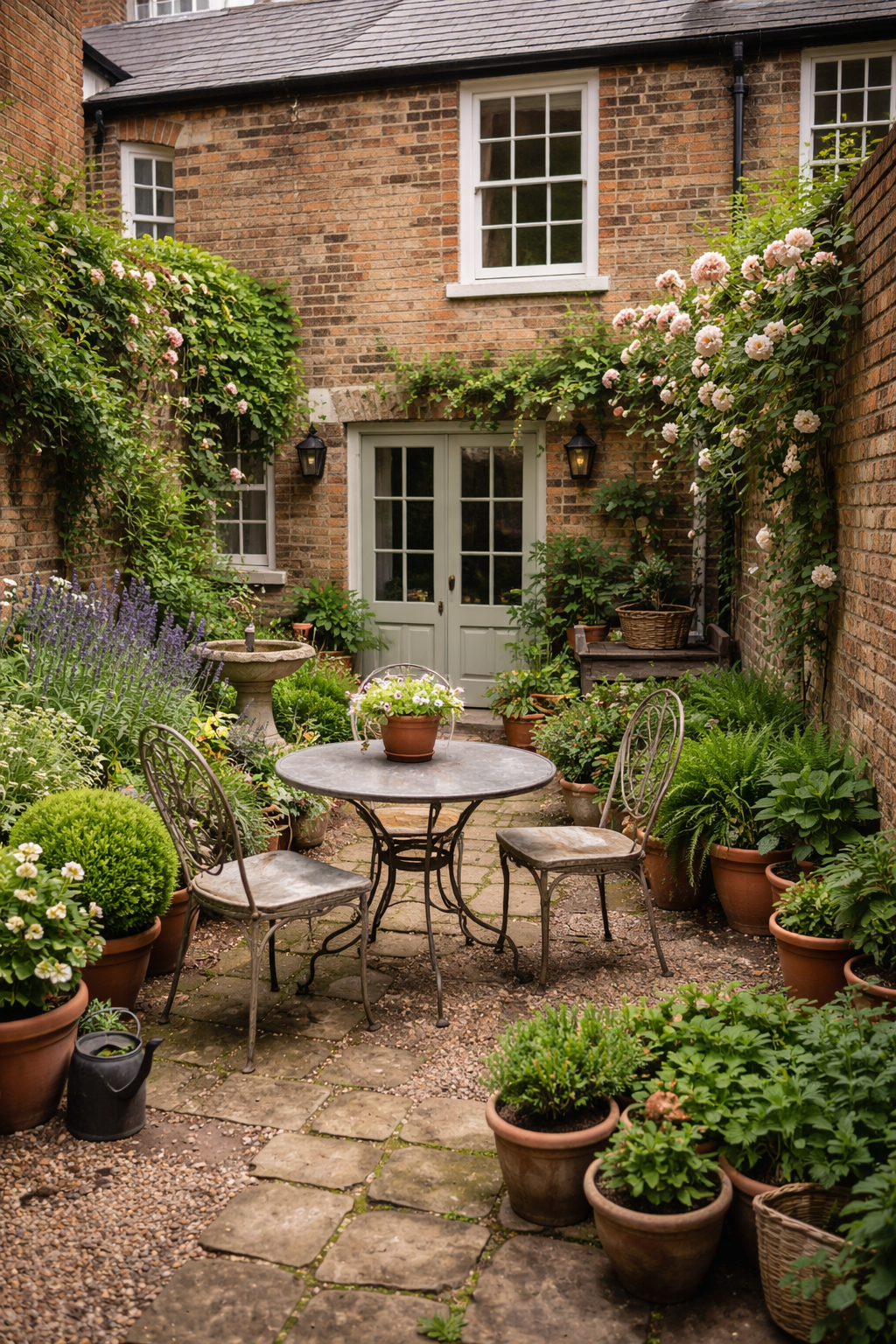
| An Introduction I spend most of my working life in small gardens with the business. Sandwich is a town filled with small courtyard gardens everywhere. Town plots, courtyards, narrow strips behind terraced houses — spaces that are often overlooked, squeezed for effect, or quietly apologised for. They’re frequently treated as if they matter less simply because they’re smaller. I don’t see them that way. In my experience, small gardens ask more of us, not less. They demand thought, restraint, and a willingness to work with limits — of space, time, energy, and budget. When those limits are respected, small gardens can be some of the calmest, most rewarding spaces to care for. This series exists because I’ve seen what happens when small gardens are properly cared for. A small garden can support wildlife without becoming chaotic. It can change with the seasons without becoming overwhelming. And it can be maintained steadily, in short, regular visits, without drama or overhaul. What makes the difference isn’t size. Its intention. Over the coming weeks, The Small Garden, Done Properly explores what I’ve learned from years of maintaining compact gardens in the town: how to choose plants that earn their place, why subtracting matters more than adding, how repetition creates calm, and why consistency always beats big interventions. This isn’t about trends or copying large-garden ideas into small spaces. It’s about understanding how gardens actually live alongside people — especially when space is limited, and life is full. You won’t find quick fixes or before-and-after theatrics here. Everything in this series is grounded in real gardens, real clients, and the quiet, ongoing work that keeps small spaces functioning well. Because a small garden done properly doesn’t shout for attention. It simply works — season after season. |
The Small Garden
 Earthly Comforts