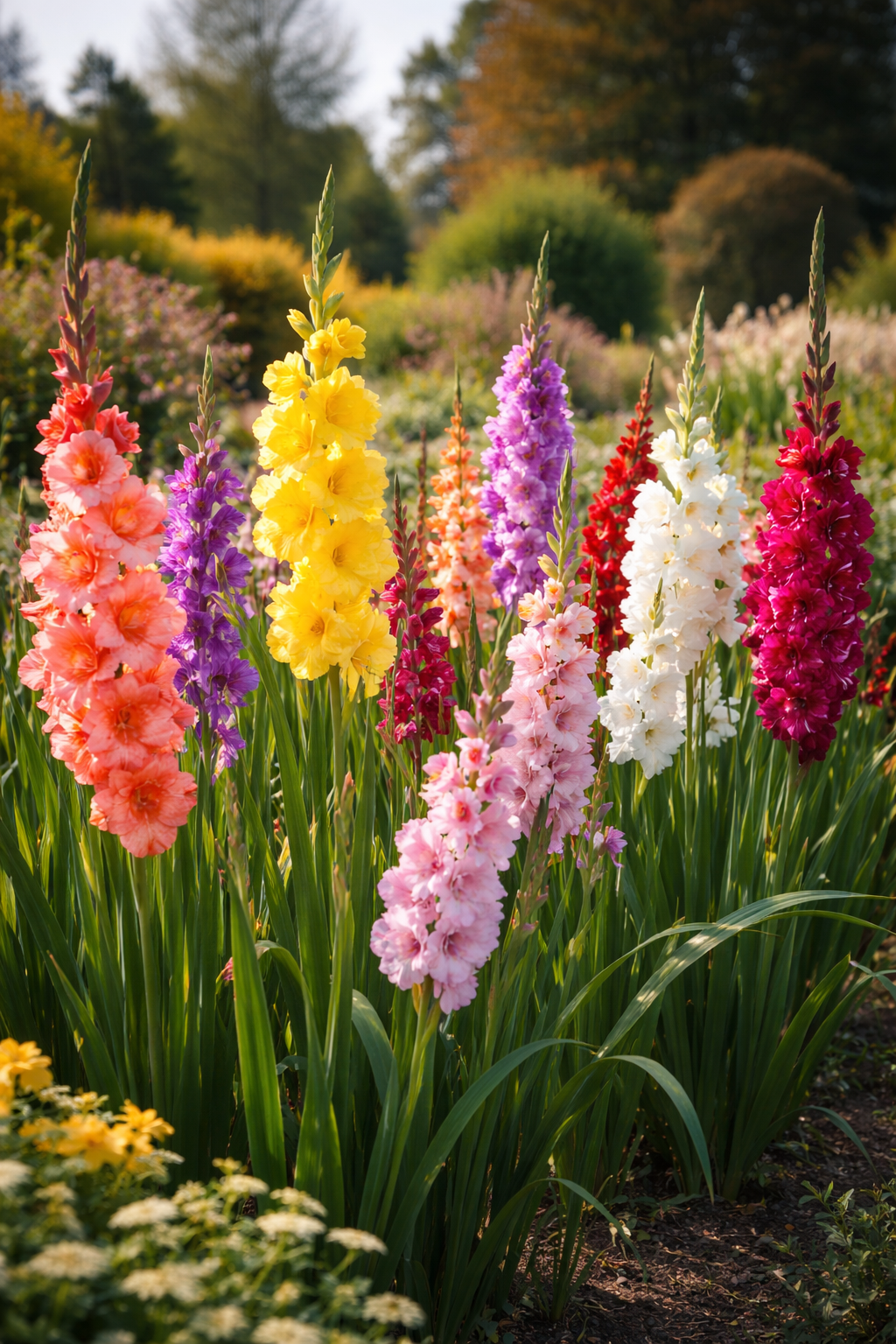
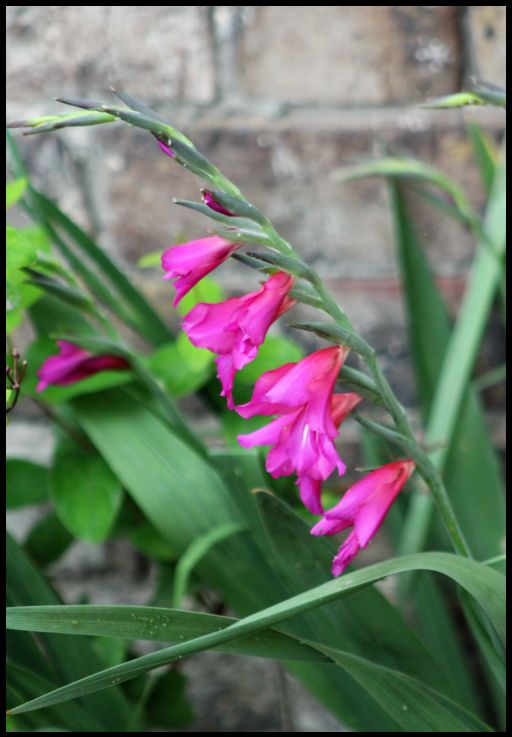
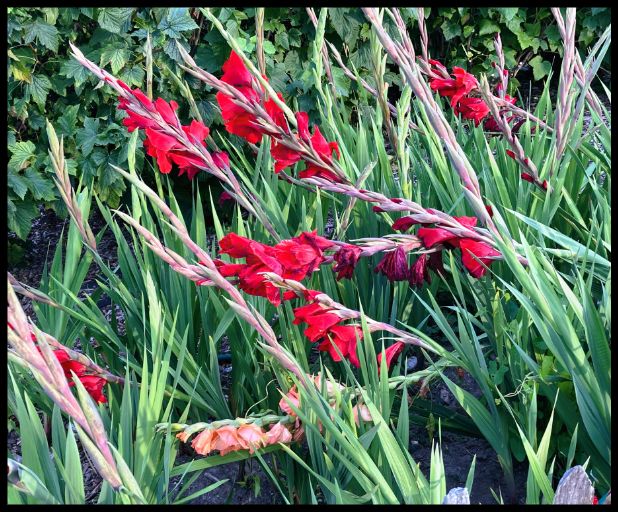
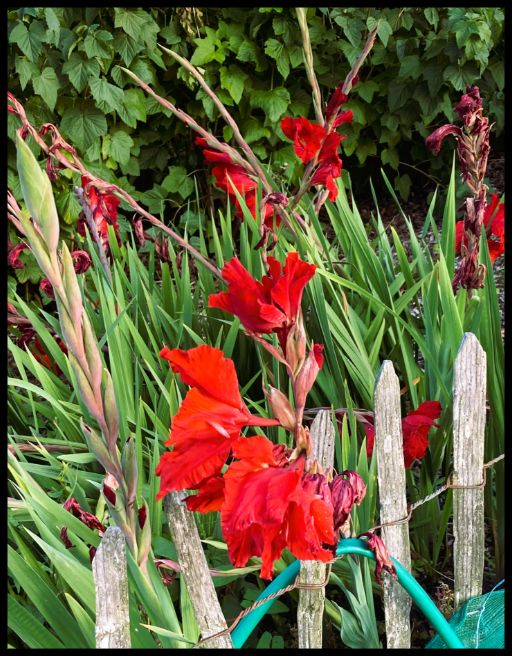
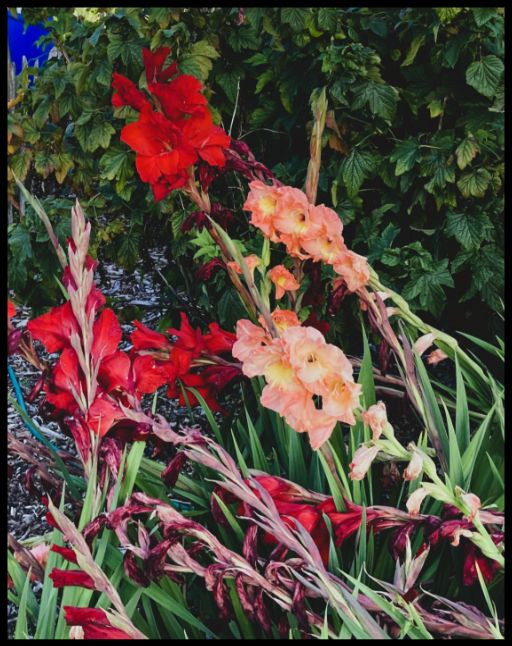
| When to Cut Back, Lift, and Let Them Be Quite often, I end up having the same conversation with different people, in different gardens, at different times of year — and it nearly always starts in winter, standing in front of a patch of gladioli that no longer looks like much at all. Should they stay in the ground? Do they need mulching? Should they come out now, or later? Can they be stored in a shed, a garage, or wrapped in newspaper like potatoes? None of these is a bad question. They’re sensible ones, asked by people who care about their gardens but don’t want to overcomplicate things. The difficulty is that gladioli don’t respond particularly well to fixed answers. They respond to timing, context, and whether we’re prepared to let them finish what they’re doing before we tidy them away. Suze and I grow gladioli ourselves down on Plot 17, so we’ve had the luxury of learning what works — and what doesn’t — without the pressure of getting it right for someone else’s garden. We’ve left them in when we shouldn’t have, lifted them too early, stored them badly, and watched perfectly healthy-looking corms quietly disappear over winter. We’ve also seen them return stronger than expected when we resisted the urge to interfere. Between client gardens and the allotment, the plants have been fairly consistent teachers. Over time, they make it clear that growing gladioli well isn’t about instruction. It’s about attention. This isn’t a rulebook. It’s a growing guide shaped by observation: how gladioli grow, when they actually need us to step in, and why listening usually works better than rushing. Understanding what gladioli actually are Gladioli grow from corms, not bulbs, and that distinction matters more than people realise. Each year, the plant replaces itself. The old corm shrivels away as a new one forms above it, built almost entirely from energy gathered after flowering. That means the visible part of the plant — the tall stem and sword-like leaves — isn’t just there to hold flowers upright. It’s a working surface. Once flowering finishes, the plant isn’t winding down. It’s reallocating. This is where many problems begin, because it looks like the show is over when, in fact, the important work has only just started. Planting well sets the tone. Gladioli want light, free-draining soil and as much sun as you can reasonably give them. Shelter matters too. A tall flower spike battered by the wind never quite recovers its confidence. Corms are planted in spring once frost risk has passed. They don’t need fussing, but they do need space. Crowding at the base leads to weak stems, poor airflow, and trouble later in the season. If there’s a general principle worth keeping in mind from the start, it’s this: gladioli reward restraint. They respond better to being left alone than to constant adjustment. Flowering is not the end of the season. When gladioli flower, they’re unapologetic about it. Tall, upright, and theatrical, they divide opinion precisely because they don’t blend in. But flowering is only the public phase of their year. Once the blooms fade, the plant turns inward. The leaves and stem begin feeding the new corm, which forms underground. This is next year’s display being assembled quietly while attention has already moved elsewhere in the garden. Cut flowers can be taken without harming the plant, provided enough foliage is left behind. Removing the entire stem and leaves, however, robs the corm of its energy source. The plant may survive, but it will do so diminished. After flowering: where patience matters most This is where timing becomes more important than tidiness. As long as the foliage is green, it is working. It is photosynthesising, storing energy, and building the replacement corm. Cutting it at this stage interrupts the process. The effect isn’t always immediate, but it shows up the following year in shorter spikes, fewer flowers, or a general sense that the plant has lost its strength. Once the foliage turns yellow and then fully brown, something important has happened. The plant has finished its work. Energy transfer is complete. Dormancy has begun. Green is work. Brown is closure. Cutting back: responding, not scheduling In the UK, gladioli often finish browning sometime between late autumn and mid-winter. January is a perfectly reasonable time to cut them back, particularly when they’re left in the ground. By then, there’s no ambiguity. The stems are hollow, dry, and clearly spent. Cutting back to around four to six inches removes dead material, reduces disease risk, and leaves a visible marker without disturbing the crown. Cutting flush to the soil isn’t necessary, and in heavier ground it can be counterproductive. In client gardens, where appearance matters year-round, I’ll sometimes reduce stems earlier if they’re part-green, part-brown — a halfway cut that tidies the plant while leaving any remaining green tissue to finish its job. I’ll then come back later and finish the cut once browning is complete. This isn’t indecision. It’s attentiveness. Leaving in the ground or lifting: choosing with context Gladioli can be left in the ground in mild, well-drained soils, especially with a light mulch. In colder, wetter, or more exposed sites, lifting is often the safer option. What matters is not the choice itself, but when that choice is acted on. Corms should only be lifted once the foliage has fully died back. Lifting too early interrupts corm formation. Lifting too late, once the soil is cold and saturated, increases the risk of damage. And this is the part that needs to be said plainly. Gladiolus corms do not tolerate prolonged wet conditions. In waterlogged soil, they don’t simply weaken — they soften, rot, and can effectively dissolve over winter. When a gladiolus fails to reappear in spring, it’s often assumed to have been killed by cold, when in reality it has sat in damp ground until there was nothing left of it. This risk applies whether corms are left in the ground or lifted and stored badly. Cold is survivable; persistent moisture is not. Drainage matters more than frost, and dryness matters more than insulation. How to lift and store corms properly When lifting, loosen the soil carefully and lift the corms without pulling on the stem. Shake off excess soil, then allow the corms to dry in a well-ventilated, frost-free place. Once dry, the dead stem can be removed. The old, shrivelled corm beneath the new one can be detached, and any obvious softness or disease dealt with promptly. Corms should be stored: Dry Cool Well ventilated Protected from frost They can be stored in paper, trays, or boxes, provided airflow is good and moisture is excluded. A newspaper is fine if the conditions are dry; it’s disastrous if they aren’t. Storage isn’t about precision. It’s about avoiding damp. Spring tells you whether you listened. Come spring, gladioli that have been allowed to finish properly emerge with more confidence. Shoots are stronger, stems sturdier, and flowering more reliable. The difference isn’t always dramatic in a single year, but it compounds over time. Over time, well-timed restraint produces plants that are less disease-prone, less needy, and more consistent. A quiet challenge to a common habit There’s a long-standing habit of cutting everything back as soon as flowering finishes. With gladioli, this does more harm than good. They are summer performers, but autumn workers. Flowering marks the midpoint of their year, not the end. Clearing them away early feels efficient, but it’s really impatience dressed up as care. The plants don’t benefit from that urgency. They benefit from being allowed to finish. Final thought Growing gladioli well isn’t about doing more. It’s about doing less at the right time. When you let the plant tell you when it’s finished — rather than forcing a schedule onto it — cutting back becomes obvious, lifting becomes calmer, and storage becomes routine rather than anxious. That isn’t expertise. It’s attentiveness. And attentiveness, more than anything, is what gladioli respond to. |
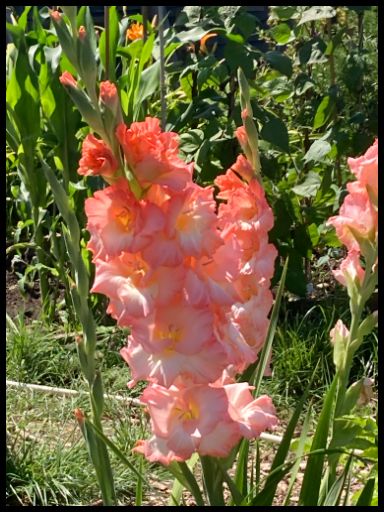
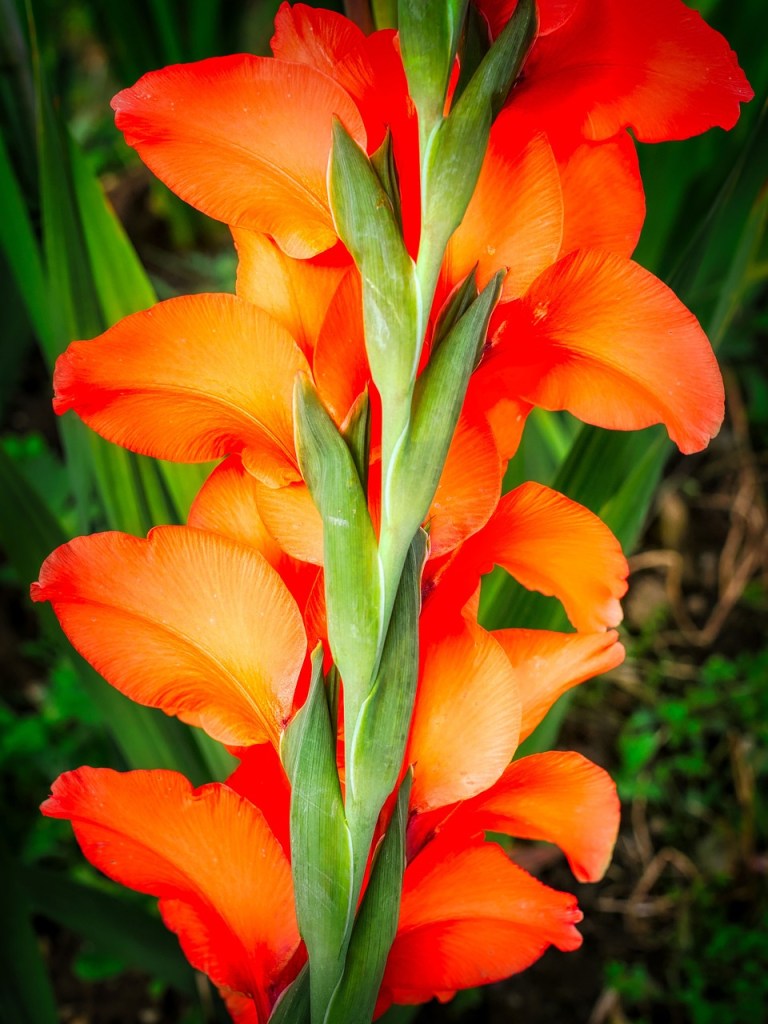
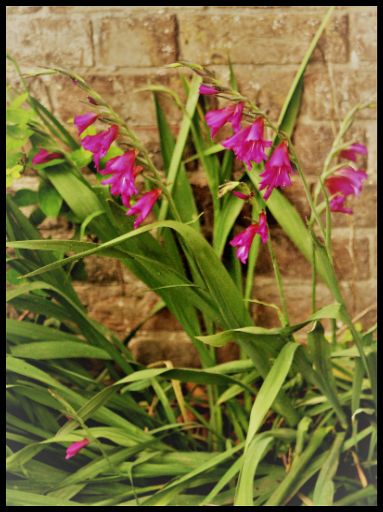
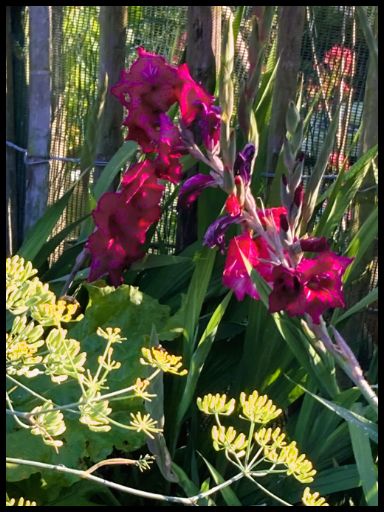
| Companion Fact Box Gladioli: horticultural context and consensus Gladioli grow from corms, with a new replacement corm forming above the old one each season. Post-flowering green foliage is essential for feeding and sizing the replacement corm. Cutting foliage before natural dieback reduces flowering quality the following year. Once foliage has fully senesced, nutrient transfer has ceased, and cutting back does not affect future growth. In waterlogged conditions, corms may soften, rot, and collapse entirely, both in soil and in storage. Successful overwintering depends more on dryness and drainage than on insulation or warmth. Commonly referenced authorities Royal Horticultural Society Gardeners’ World National Allotment Society RHS Garden Plant Encyclopaedia |
| About our writing & imagery Many of our articles are written by us, drawing on real experience, reflection, and practical work in gardens and places we know. Some pieces are developed with the assistance of AI, used as drafting and research tools rather than as a voice or authority. Featured images may include our own photography, original AI-generated imagery, or—where noted—images kindly shared by other creators and credited accordingly (for example, via Pixabay). All content is shaped, edited, and published by Earthly Comforts, and the views expressed are our own. |
 Earthly Comforts
Thanks Rory for sharing these facts about gladiolus.
LikeLiked by 1 person
Glad it helped Sadje 🙂
LikeLiked by 1 person
💗💗💗
LikeLiked by 1 person
My mother had gladioli for a time but they weren’t her favorite and they remind me of funerals.
LikeLiked by 1 person