
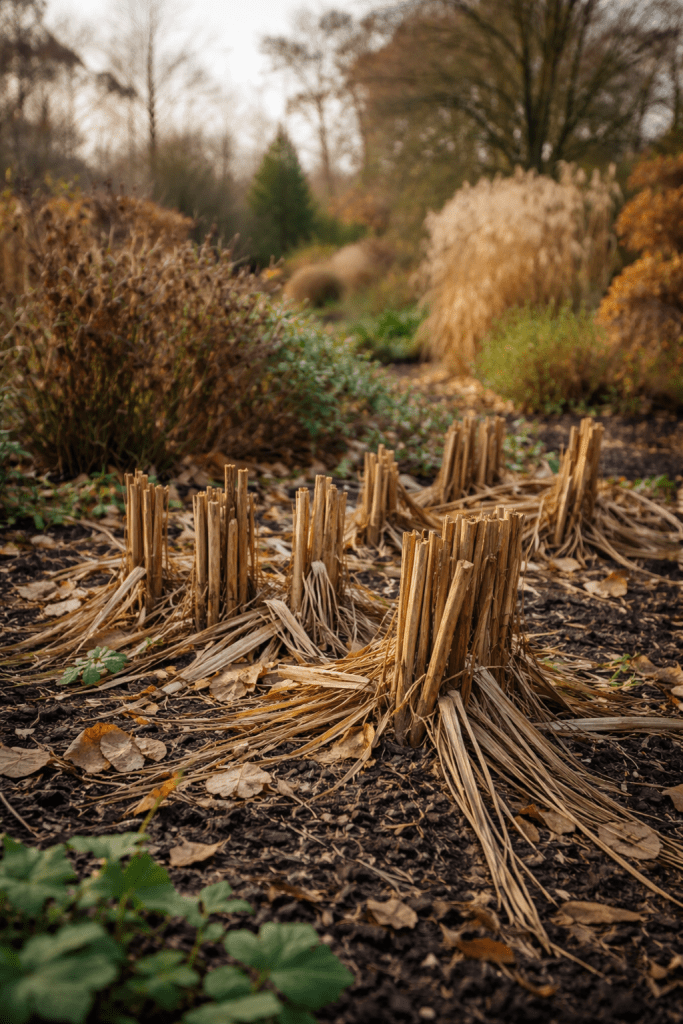
| Why They Disappear and How to Prevent It There’s a particular disappointment that comes with gladioli in spring. You wait. You check the soil. Other things are moving. And the space where the gladioli should be stays stubbornly empty. When this happens, people often assume frost has done the damage. Or that the corms were old. Or that gladioli are just unreliable plants. In reality, most winter losses come down to one thing: moisture. Not dramatic flooding. Not extreme cold. Just quiet, persistent damp — in the ground, or in storage — doing what it always does to corms if it’s given enough time. This post exists because we’ve lost gladioli ourselves. Not once, but often enough to stop guessing and start paying attention. What actually happens to gladiolus corms in winter Gladiolus corms are solid, compact structures when healthy. They feel firm in the hand and resist pressure. But they’re not sealed units. They breathe. They exchange moisture with their surroundings. When conditions are dry and cool, they sit quietly and wait. When conditions are damp, they begin to soften. Left long enough, that softening becomes rot. And if the damp is constant, the corm doesn’t just rot in a dramatic, obvious way — it collapses. It breaks down. In soil, it can quite literally dissolve back into it. This is why gardeners sometimes say gladioli have “disappeared”. They haven’t moved. There’s just nothing solid left to find. Why is cold blamed instead of wet Cold feels like the obvious culprit. Winter equals frost, and frost feels dangerous. But gladioli tolerate cold far better than they tolerate wet. A dry corm in cold conditions will often survive just fine. A damp corm in mild conditions often won’t. This misunderstanding leads people to protect gladioli from the wrong thing. Heavy mulches on wet soil. Airtight storage in sheds. Plastic containers that trap condensation. All of it was well-intentioned. All of it is quietly harmful. Cold stops growth. Damp breaks things down. Losses in the ground: when leaving them in fails Leaving gladioli in the ground over winter can work — but only in the right conditions. Free-draining soil is the deciding factor. Sandy or improved ground sheds excess water quickly. Heavy clay holds it right where the corm sits. When gladioli are left in wet soil, the risk isn’t a single cold snap. It’s weeks of saturation. The corn sits in moisture, unable to dry, and the breakdown begins. This is why one garden will have gladioli reappear year after year, while another loses them consistently despite being only a few streets away. It’s not exposure. It’s drainage. Losses in storage: when lifting doesn’t save them Lifting corms doesn’t guarantee survival. It just changes the risks. Most storage failures come from one of three things: The corms weren’t fully dry before storage. They were stored in a place that was airtight or poorly ventilated. They were stored somewhere that felt dry, but wasn’t. Sheds, garages, and outbuildings are often colder and damper than people realise. A space that feels fine for tools may still be slowly condensing moisture onto stored plant material. Newspaper, paper bags, and cardboard boxes are all acceptable storage methods — but only if the surrounding air is dry. Wrapped corms in a damp shed are worse off than uncovered corms in a dry room. The mistake of “checking too often” There’s another quiet cause of loss: interference. Corms that are repeatedly handled, moved, or rewrapped are exposed to fluctuating conditions. Warm hands, damp air, temperature changes — all small, all cumulative. Once gladioli are properly dry and stored in a stable place, the best thing to do is leave them alone. Occasional checks for softness or mould are sensible. Constant fussing is not. What we learned the hard way On the allotment, we’ve lost gladioli both ways. We’ve left them in the ground that looked fine until winter rainfall proved otherwise. We’ve lifted them carefully, only to store them somewhere that turned out to be just damp enough to undo all that effort. The pattern was always the same. Losses didn’t happen suddenly. They happened quietly, out of sight, while we assumed everything was under control. Once we stopped thinking in terms of protecting gladioli and started thinking about keeping them dry, the losses reduced sharply. A calmer way to think about storage Storing gladioli well isn’t about wrapping them up or insulating them. It’s about giving them a stable, dry pause. If you remember nothing else, remember this: Dry beats warm. Ventilation beats insulation. Drainage beats protection. Gladioli don’t need cosiness. They need restraint. Final thought When gladioli fail to return, it’s tempting to blame the plant. In truth, they’re very consistent. They tolerate neglect better than they tolerate damp. Winter losses are rarely mysterious once you trace them back far enough. The cause is usually slow, ordinary, and avoidable. The trick isn’t vigilance. It’s understanding what actually harms them — and then stepping back. |
| Companion Fact Box Gladiolus winter losses: horticultural context Gladiolus corms are vulnerable to prolonged moisture, which causes softening, rot, and structural collapse. Waterlogging is a leading cause of winter failure in UK gardens, more significant than frost. Corms may rot both in soil and in storage if kept damp or poorly ventilated. Successful overwintering depends on dryness, airflow, and stable conditions, not warmth. Heavy soils and damp outbuildings present the highest risk. Commonly referenced authorities Royal Horticultural Society Gardeners’ World National Allotment Society RHS Garden Plant Encyclopaedia |
| About our writing & imagery Many of our articles are written by us, drawing on real experience, reflection, and practical work in gardens and places we know. Some pieces are developed with the assistance of AI, used as drafting and research tools rather than as a voice or authority. Featured images may include our own photography, original AI-generated imagery, or—where noted—images kindly shared by other creators and credited accordingly (for example, via Pixabay). All content is shaped, edited, and published by Earthly Comforts, and the views expressed are our own. |
 Earthly Comforts