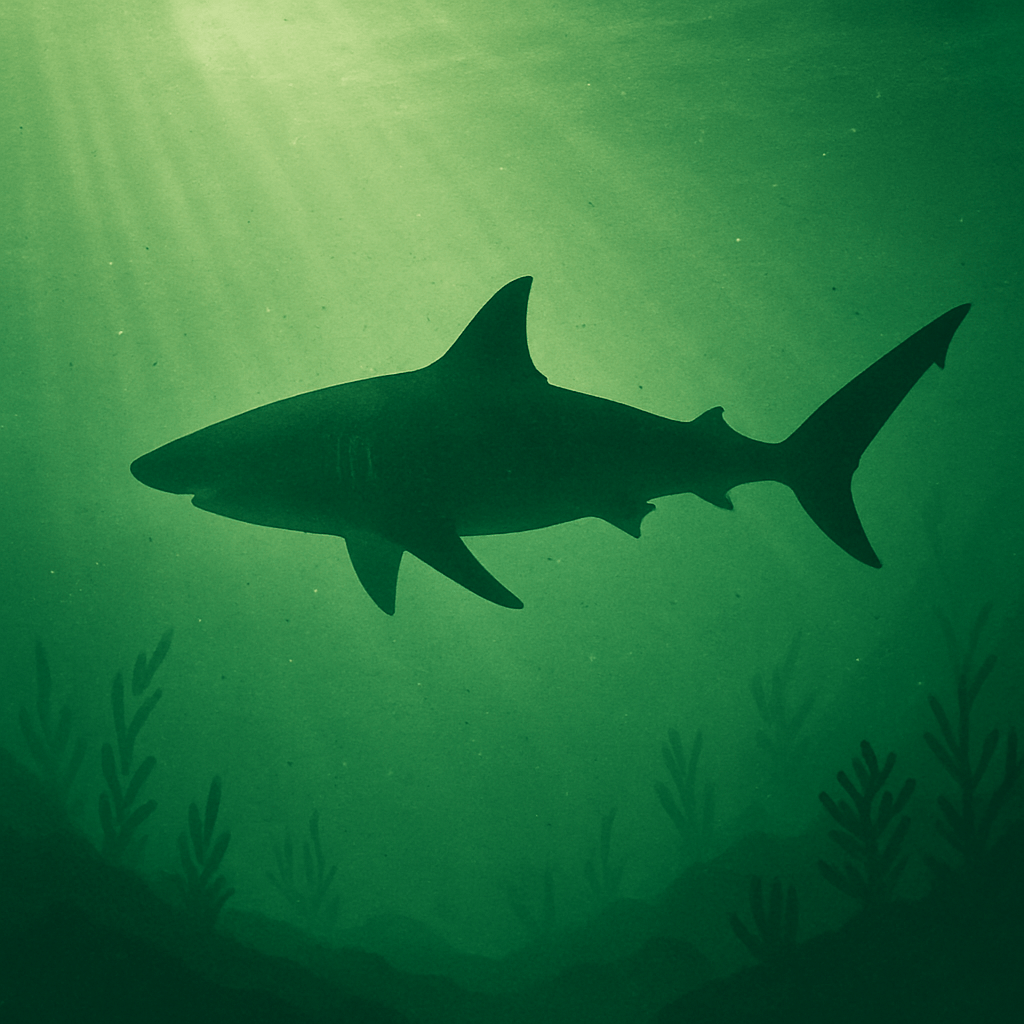
| How many shark species are there in the oceans today? There are more than 500 species of sharks known to exist today in our oceans. However, of the many, here are : |
| My Top 10 Shark Species And What Makes Each One Special |
| Great White Shark (Carcharodon carcharias) The classic, the icon, the shark everyone thinks of first. The great white isn’t just famous because of films — it’s genuinely extraordinary. They’re intelligent, curious, powerful, and far more cautious than people think. Length: 4–6 metres (some individuals exceed 6 m) Why they’re special: Incredible learning ability, warm-blooded (partially), and capable of breaching clean out of the water. Interesting fact: Great whites have distinct personalities — some bold, some shy, some social, some solitary. Whale Shark (Rhincodon typus) The gentle giant of the oceans. Despite being the largest fish on Earth, whale sharks are filter feeders and about as threatening as a floating bus made of kindness. Length: 10–12 metres on average (up to 18 m+) Why they’re special: Completely harmless, beautifully patterned skin, and calm temperament. Interesting fact: Each whale shark has a unique spot pattern — like a fingerprint. Basking Shark (Cetorhinus maximus) If the whale shark is the gentle giant of warm waters, the basking shark is the gentle giant of cooler seas — including the UK. Slow, peaceful, completely harmless. Length: 6–12 metres Why they’re special: They swim with their huge mouths open to filter-feed plankton. Interesting fact: Despite their size, they often leap out of the water — no one knows exactly why. Tiger Shark (Galeocerdo cuvier) The “dustbin of the sea.” A true apex predator. Tigers are strong, adaptable, bold, and endlessly fascinating. Length: 3–5 metres Why they’re special: One of the least fussy feeders — their diet is incredibly varied. Interesting fact: Tiger sharks have stripes as juveniles, which fade as they age. Bull Shark (Carcharhinus leucas) One of the most adaptable sharks ever — capable of living in fresh water, travelling upriver, and thriving in conditions other sharks can’t tolerate. Length: 2.1–3.5 metres Why they’re special: They can regulate salt levels internally, letting them enter rivers and lakes. Interesting fact: Bull sharks have been found more than 1,000 km inland in some rivers. Scalloped Hammerhead (Sphyrna lewini) Hammers are some of the most visually stunning sharks in the world. Their weird head shape isn’t weird at all — it’s genius. Length: 2.5–4 metres Why they’re special: Their “hammer” (cephalofoil) gives them 360-degree vision and incredible electro-sensing. Interesting fact: Hammerheads form huge schools — sometimes in the hundreds. Great Hammerhead (Sphyrna mokarran) The big, bold cousin of the scalloped hammerhead — and one of the ocean’s most impressive predators. Length: 4–6 metres Why they’re special: That massive, T-shaped head and tall dorsal fin make them instantly recognizable. Interesting fact: They specialize in hunting stingrays, flipping them over to immobilize them. Nurse Shark (Ginglymostoma cirratum) The chilled-out couch-potato of the shark world — and the closest thing sharks have to a Labrador. Completely docile unless bothered. Length: 2–3 metres Why they’re special: They spend much of their time resting in piles, sometimes stacked on top of each other like sleepy underwater logs. Interesting fact: Unlike most sharks, nurse sharks can pump water over their gills and rest motionless on the seafloor — no swimming required. Gummy Shark (Mustelus antarcticus) A typical everyday shark from my Australian childhood — and one that shaped many of my early memories on the pier. Length: 1–1.7 metres Why they’re special: Completely harmless, with small, rounded teeth designed for grinding crustaceans. Interesting fact: Their flesh is used for “flake” in Australian fish and chip shops. Goblin Shark (Mitsukurina owstoni) The deep-sea alien of the shark world. Pink, rubbery, and equipped with jaws that shoot forward like something out of science fiction. Length: 3–4 metres (rarely larger) Why they’re special: They’re living fossils — unchanged for around 125 million years. Interesting fact: Their protrusible jaws can launch forward faster than a human eye can follow. |
 Earthly Comforts
How amazing they all are. 🦈
LikeLiked by 1 person
Hi Sadje, yes sharks are truly wonderful.
LikeLiked by 1 person
👍🏼👍🏼👍🏼
LikeLiked by 1 person