
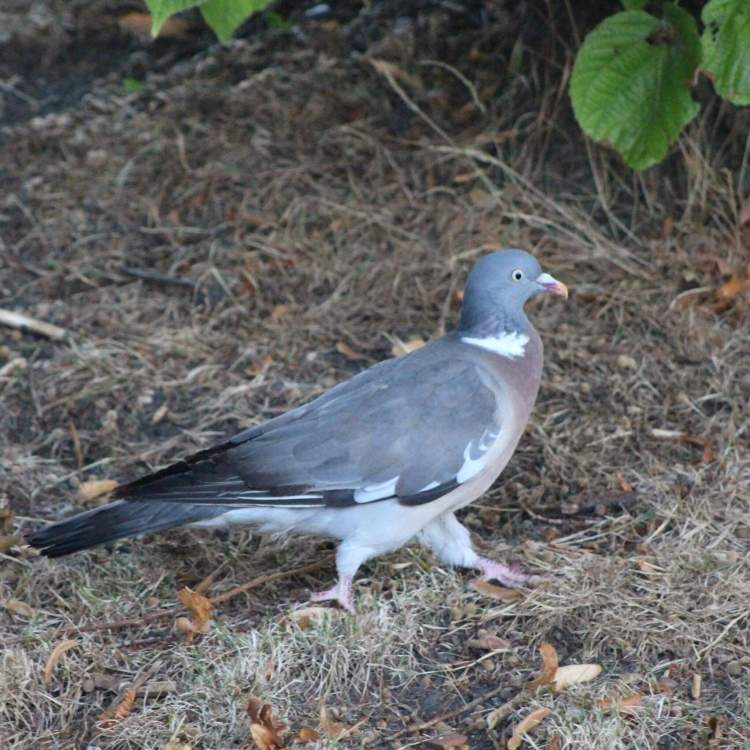
| The Gentle Constant: Understanding the Woodpigeon in Britain If there is one bird that quietly threads together town, countryside, farmland, and garden in the UK, it is the woodpigeon. Larger than most people realise and far more subtle than its reputation suggests, the woodpigeon is a constant presence in British life. Its soft grey plumage, white neck patch, and steady wingbeats are woven into the background of everyday outdoor experience. Often dismissed as “just another pigeon,” the woodpigeon is in fact a remarkably adaptable, resilient, and surprisingly gentle bird. To understand it properly is to see how British wildlife copes with change, pressure, and human proximity. |
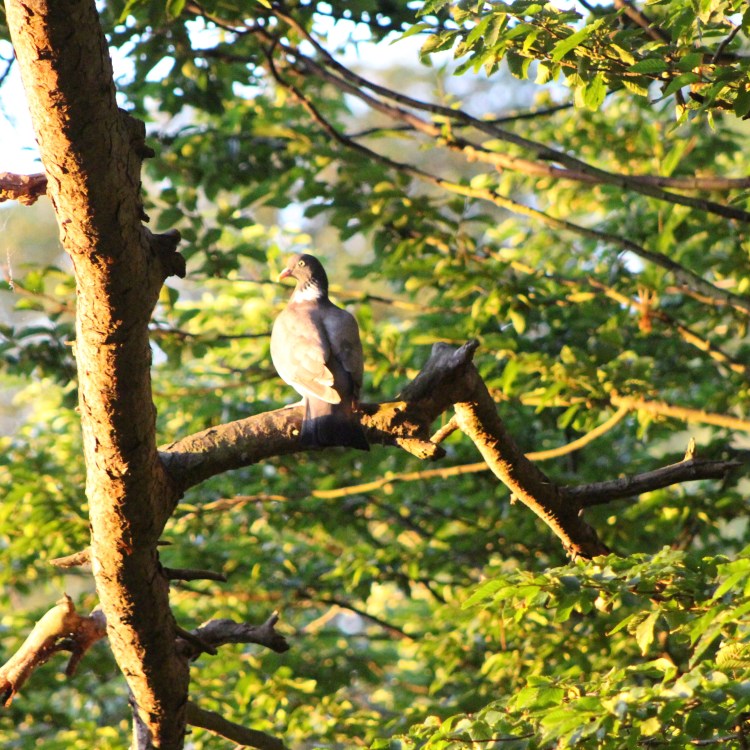
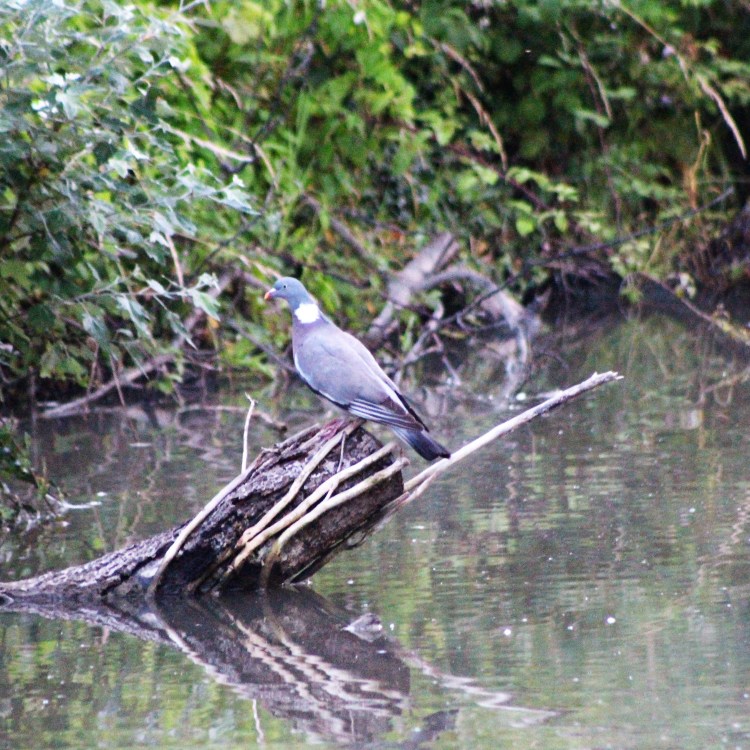
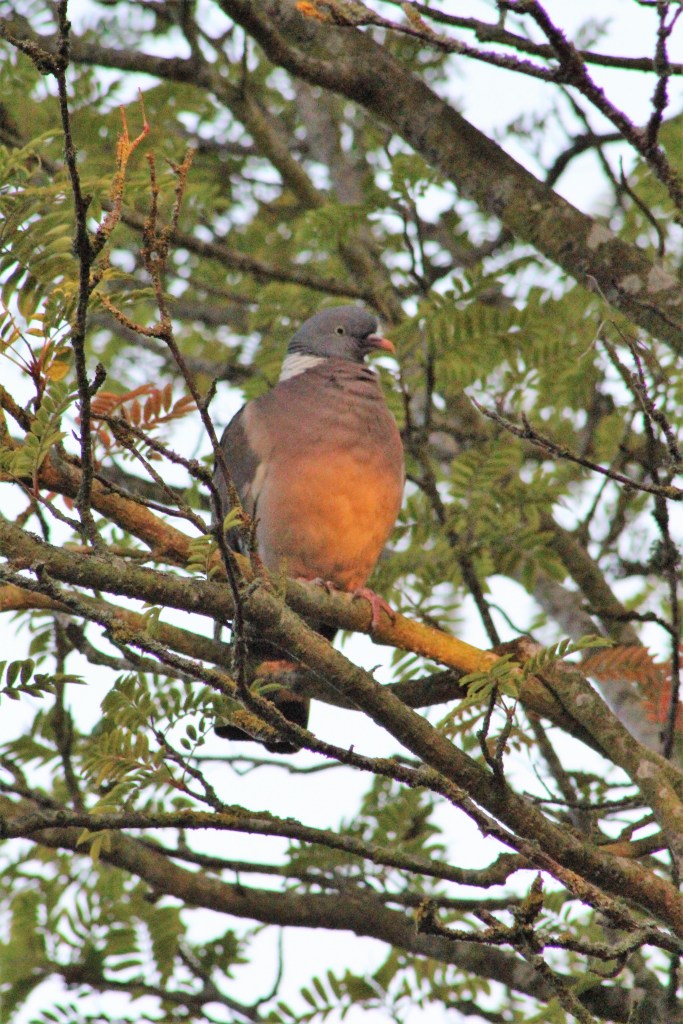
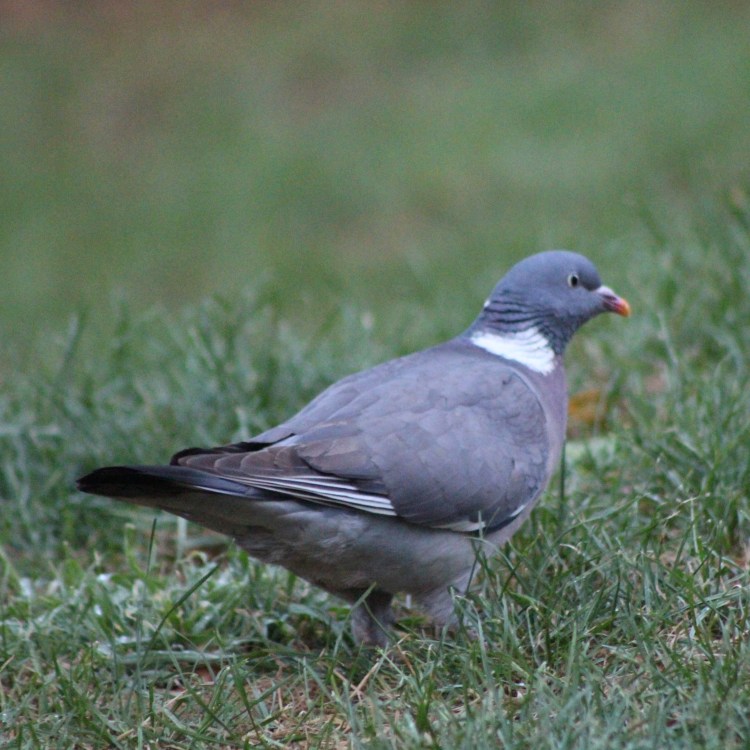
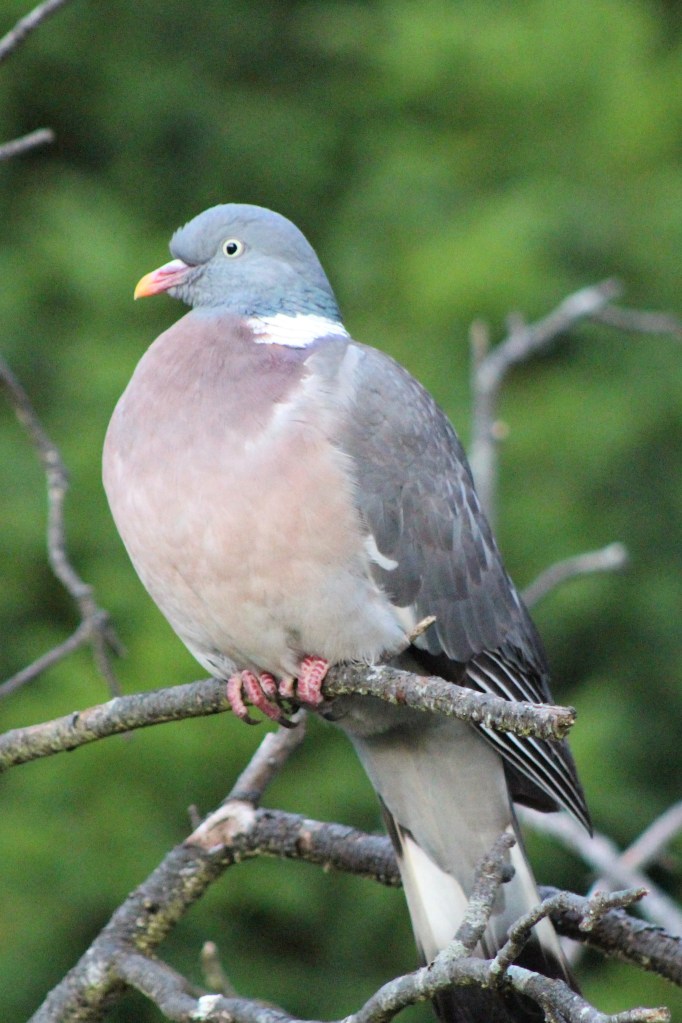
| Recognising a Woodpigeon The woodpigeon is the largest and most common pigeon species in the UK. Its size alone sets it apart from feral pigeons, with a broad chest, thick neck, and rounded head. The plumage is mostly soft grey, but look closer, and you’ll see delicate pink tones on the breast, a white crescent on either side of the neck, and a pale flash across the wings when it flies. In flight, woodpigeons are powerful and direct. Their wingbeats are slow but strong, often accompanied by a distinctive clattering sound as they take off. Once you tune into this, you can often identify a woodpigeon before you even see it. That Call Everyone Knows The woodpigeon’s call is one of the most recognisable sounds in Britain. Soft, rhythmic, and slightly mournful, it drifts across gardens, parks, and woodland edges throughout much of the year. Many people associate it with quiet mornings, warm afternoons, or the stillness of early spring. Despite how familiar it is, the call is often misinterpreted as sad or monotonous. In reality, it is a communication tool—used to establish territory, attract a mate, and maintain contact. The repetition is not a lack of sophistication; it is consistency, which works well in open landscapes. A Bird Built for Adaptation Woodpigeons have adapted exceptionally well to changes in land use and human activity. Originally woodland birds, they now thrive in farmland, suburban areas, city parks, and private gardens. This flexibility is one of the reasons their numbers have increased over the past few decades. They are cautious but not nervous, alert but not skittish. A woodpigeon will often allow a human to approach closer than many smaller birds, relying on its size and strong flight to escape rather than constant vigilance. This balance between confidence and caution makes the woodpigeon one of the most successful large birds in modern Britain. Diet: Green, Seasonal, and Opportunistic The woodpigeon’s diet is heavily plant-based. Leaves, shoots, buds, grains, seeds, berries, and crops all feature prominently. In gardens, they are particularly fond of brassicas, peas, and tender young growth, which can put them at odds with vegetable growers. However, this diet also makes them important ecological players. By feeding across wide areas and moving frequently, woodpigeons help disperse seeds and influence plant growth patterns. They are guided more by availability than preference, shifting their feeding habits with the seasons. Unlike some birds, woodpigeons are capable of digesting relatively tough plant material, allowing them to exploit food sources that others cannot. Breeding, Nesting, and Persistence Woodpigeons have one of the longest breeding seasons of any UK bird. Nesting can begin as early as February and continue well into autumn if conditions allow. This extended season is a key factor in their population success. Their nests are famously flimsy—loose platforms of twigs that seem barely sufficient to hold eggs or chicks. Yet despite appearances, these nests work. Woodpigeons rely on concealment rather than structural strength, often nesting in ivy, hedges, conifers, or dense trees. They usually lay two eggs at a time, and both parents share incubation and feeding duties. Chicks are fed a nutrient-rich secretion called “crop milk,” which supports rapid growth and development. Behaviour in Gardens: Calm but Determined In gardens, woodpigeons are often seen feeding on lawns, borders, or vegetable patches. Their movements are unhurried, almost deliberate, giving them an air of calm confidence. They will often return to the same feeding spots day after day if undisturbed. While they can be persistent, they are not aggressive birds. They rarely chase others and tend to avoid direct conflict, relying instead on size and presence. Smaller birds often simply move aside. Providing layered planting, protective netting for crops, and varied feeding areas can reduce conflict without excluding them entirely. Seasonal Shifts and Winter Survival Woodpigeons do not migrate in the traditional sense, but they do move in response to food availability. In autumn and winter, large flocks may form, particularly in farmland, where they feed on crops and stubble fields. These winter gatherings can number in the hundreds, creating impressive, swirling displays as flocks rise and settle together. In colder months, gardens may also see increased visits as natural food sources become scarcer. Despite their size, woodpigeons are vulnerable to prolonged harsh weather, and their ability to exploit a wide range of food sources is crucial to their survival. Misunderstood and Often Unappreciated Woodpigeons suffer from a reputation problem. They are sometimes labelled as dull, greedy, or destructive, particularly by gardeners. Yet this view overlooks their role as a stabilising presence in the landscape. They are not invasive newcomers; they are long-established natives responding to the environments we have created. Their success reflects adaptability, not excess. When observed closely, woodpigeons display subtle social behaviours, gentle pair bonds, and a calm attentiveness that contrasts sharply with the stereotypes. A Quiet Marker of Continuity Perhaps the most striking thing about the woodpigeon is its constancy. While many species fluctuate, disappear, or retreat from human spaces, the woodpigeon remains. Its call carries on through changing seasons, shifting land use, and expanding towns. In a fast-moving world, the woodpigeon is a reminder of continuity. It does not demand attention, yet it rewards it. Once you start to notice individual birds, their routines, and their quiet resilience, they become more than background noise. They become part of the living fabric of the place you call home. Learning to See the Familiar Anew The woodpigeon does not need rescuing, romanticising, or reinventing. It simply needs to be seen for what it is: a successful, adaptable, and deeply embedded part of British wildlife. By looking again at this familiar bird, we sharpen our ability to notice the ordinary wonders around us—and that, in itself, is a valuable skill in any garden or landscape. |
 Earthly Comforts
A pretty bird, and similar to mourning doves, except mourning doves are smaller, and have a soft, mournful coo. Mourning doves are frequent visitors at our feeder.
LikeLiked by 1 person
Morning Eugenia, l do have a soft spot for what l lovingly refer to as the woodies. We have mourning doves over here as well.
LikeLiked by 1 person
😊
LikeLiked by 1 person